

The Living Archive: Episode VI by Giulia Costantini | Essays
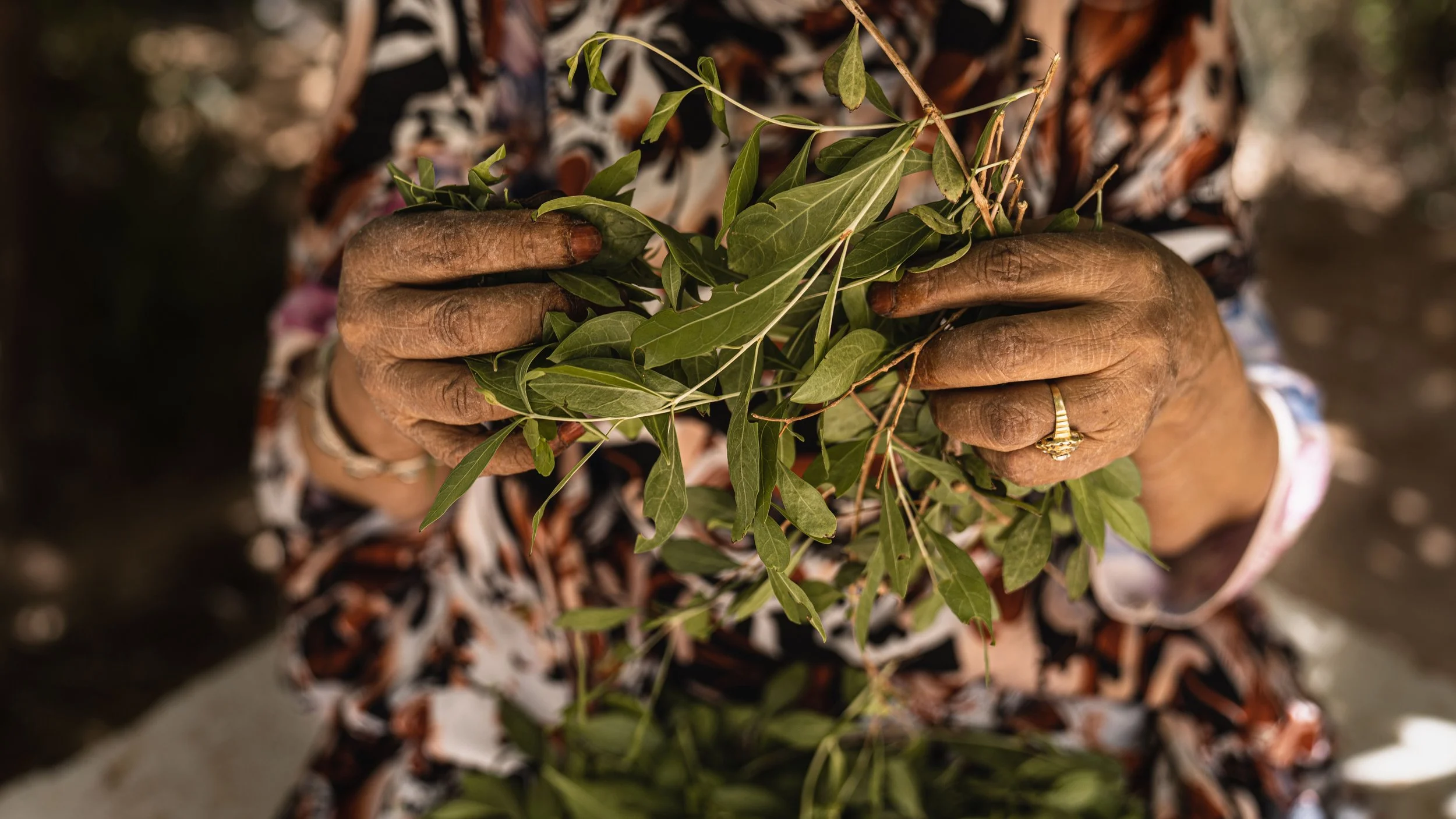
Some histories were never written down. Giulia Costantini explores the living archive: ancestral knowledge carried through bodies, gestures, remedies, rituals, and practices passed quietly from one generation to the next.

Episode V: Language Failure by Giulia Costantini
Historical records preserve trials, accusations, and verdicts—but they cannot fully capture the lived experience of fear, memory, and persecution. In this fifth installment, Giulia Costantini explores the limits of language, revealing how history, folklore, and lived experience often exist in the spaces that words cannot fully explain.
The Uncredentialed Knower
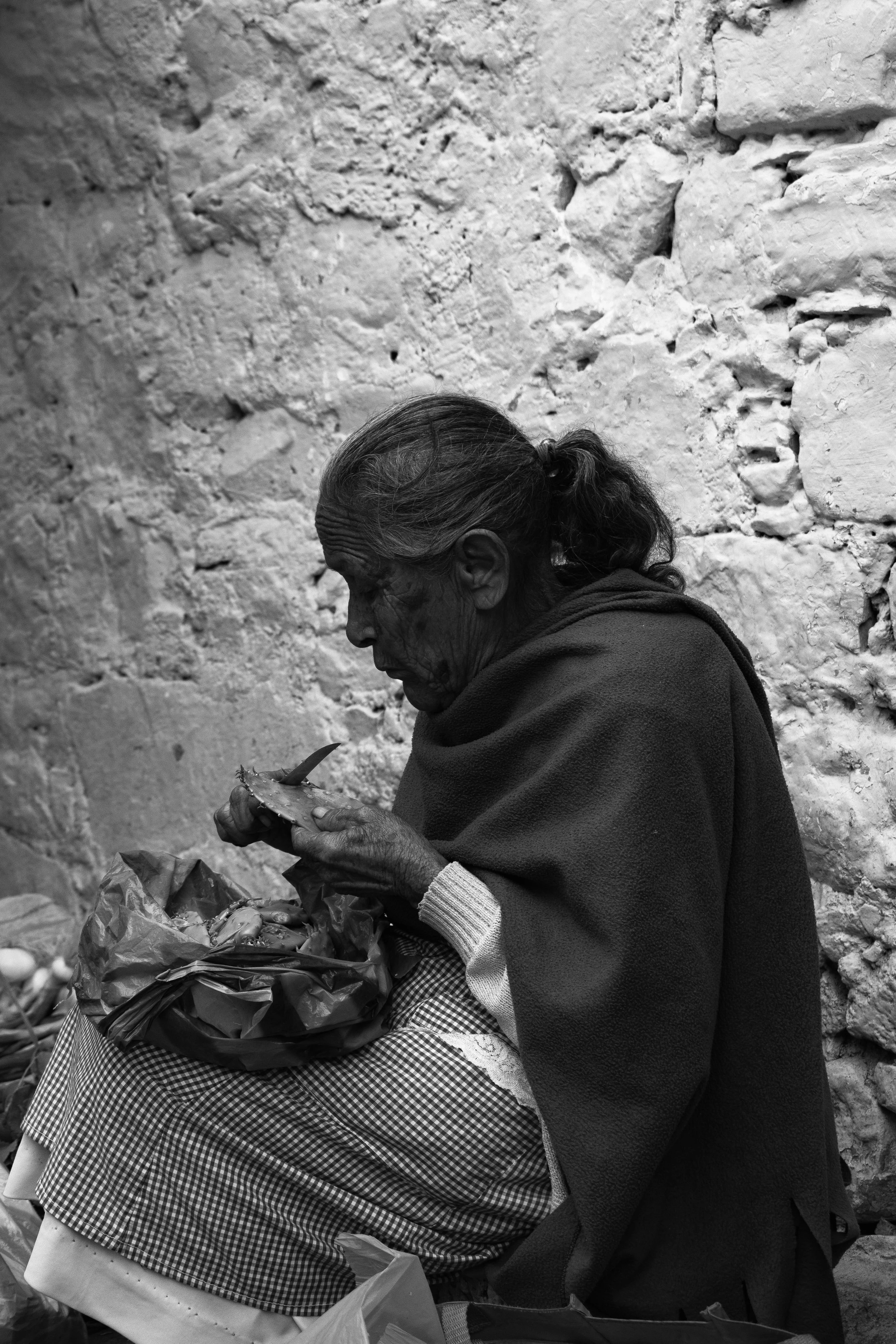
Long before universities and licenses defined expertise, knowledge was carried through observation, memory, and care. In this fourth installment of her series, Giulia Costantini explores the women whose healing practices, herbal wisdom, and lived experience sustained communities—and how their authority was later recast as superstition or witchcraft.Photo by Issac Garcia
Daughters of the Unwritten, Episode III: Inherited Silence by Giulia Costantini
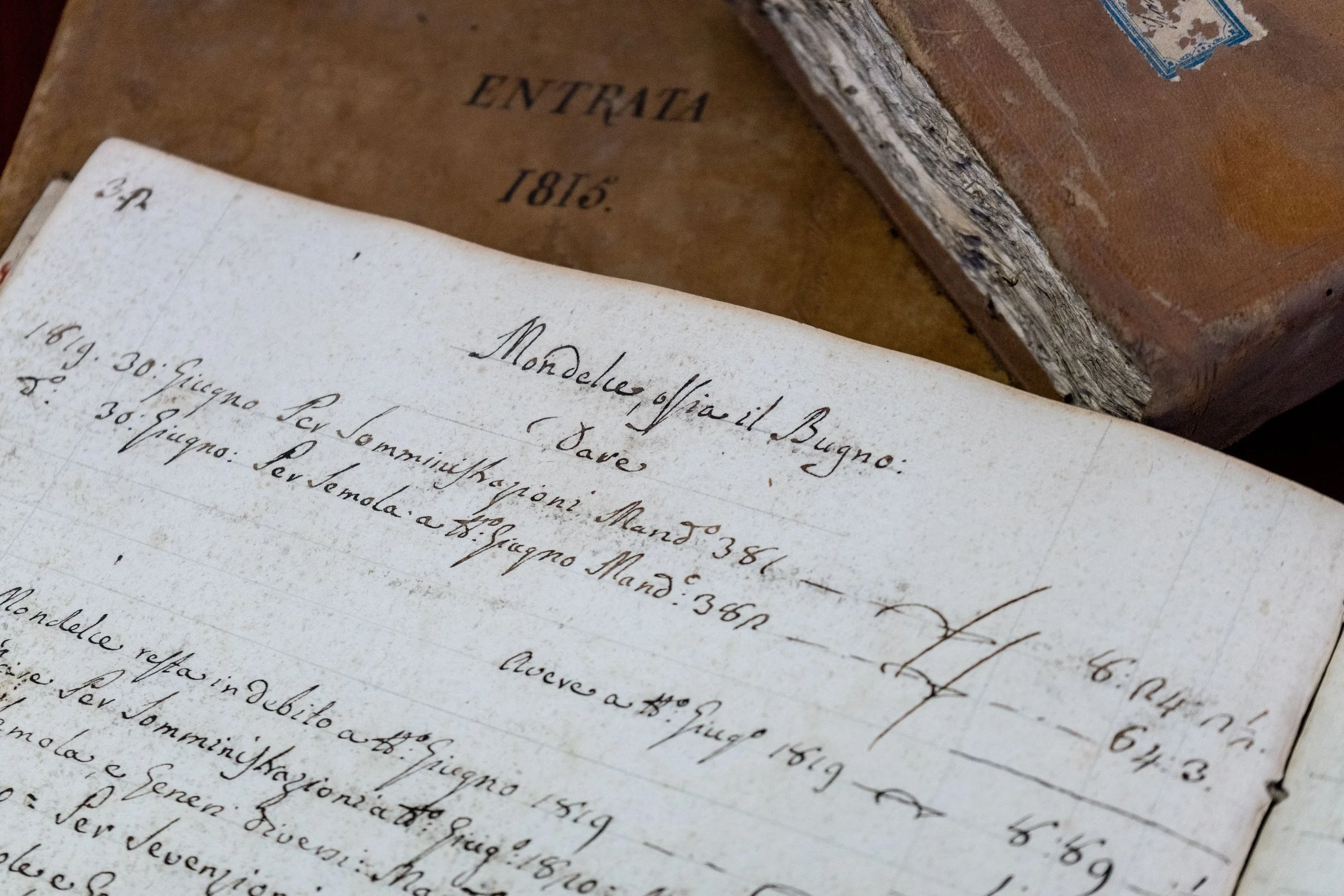
In Episode III of Daughters of the Unwritten, Giulia Costantini explores how women's knowledge survived through silence, memory, and inheritance. Moving beyond written archives, she examines the gestures, warnings, rituals, and unspoken traditions that carried ancestral wisdom across generations.
Daughters of the Unwritten: Episode II Marginal Geographies by Giulia Costantini
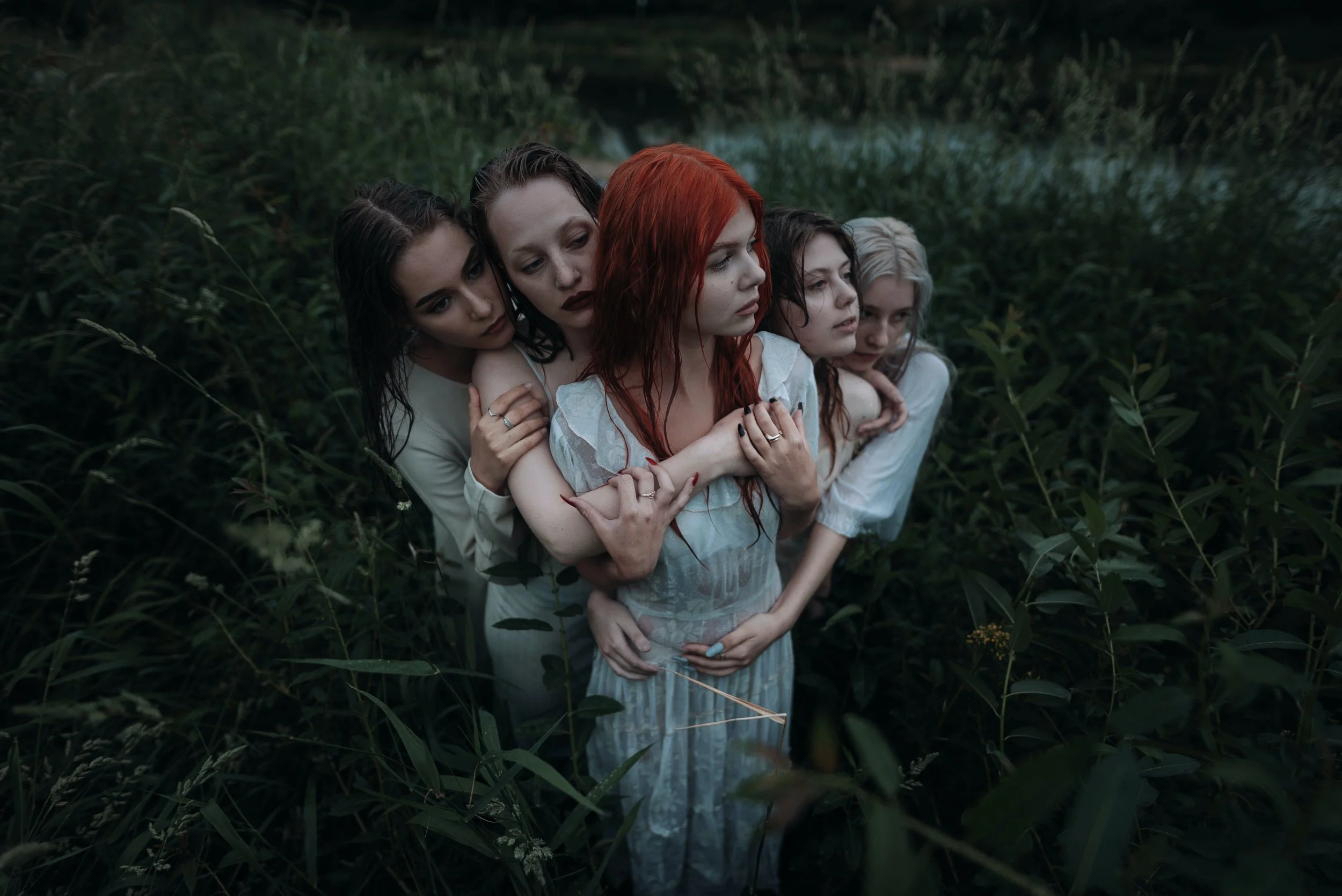
In Episode II of Daughters of the Unwritten, Giulia Costantini explores the rural landscapes, folk traditions, and ancestral knowledge systems that existed beyond institutional authority. From Southern Italian folklore to the enduring wisdom of marginalized communities, Marginal Geographies examines how place itself became a keeper of memory, ritual, and resistance.

The Women Who Keep the Dead Alive
Memorial Day arrives each year with its familiar national choreography: flags placed in rows, folded lawn chairs, highway traffic, sales advertisements, family cookouts, social posts thanking the fallen, and the annual declaration that summer has unofficially begun. Publicly, it is a day of remembrance. In practice, remembrance is often brief, ceremonial, and quickly absorbed into leisure. We nod toward the dead and then continue moving.
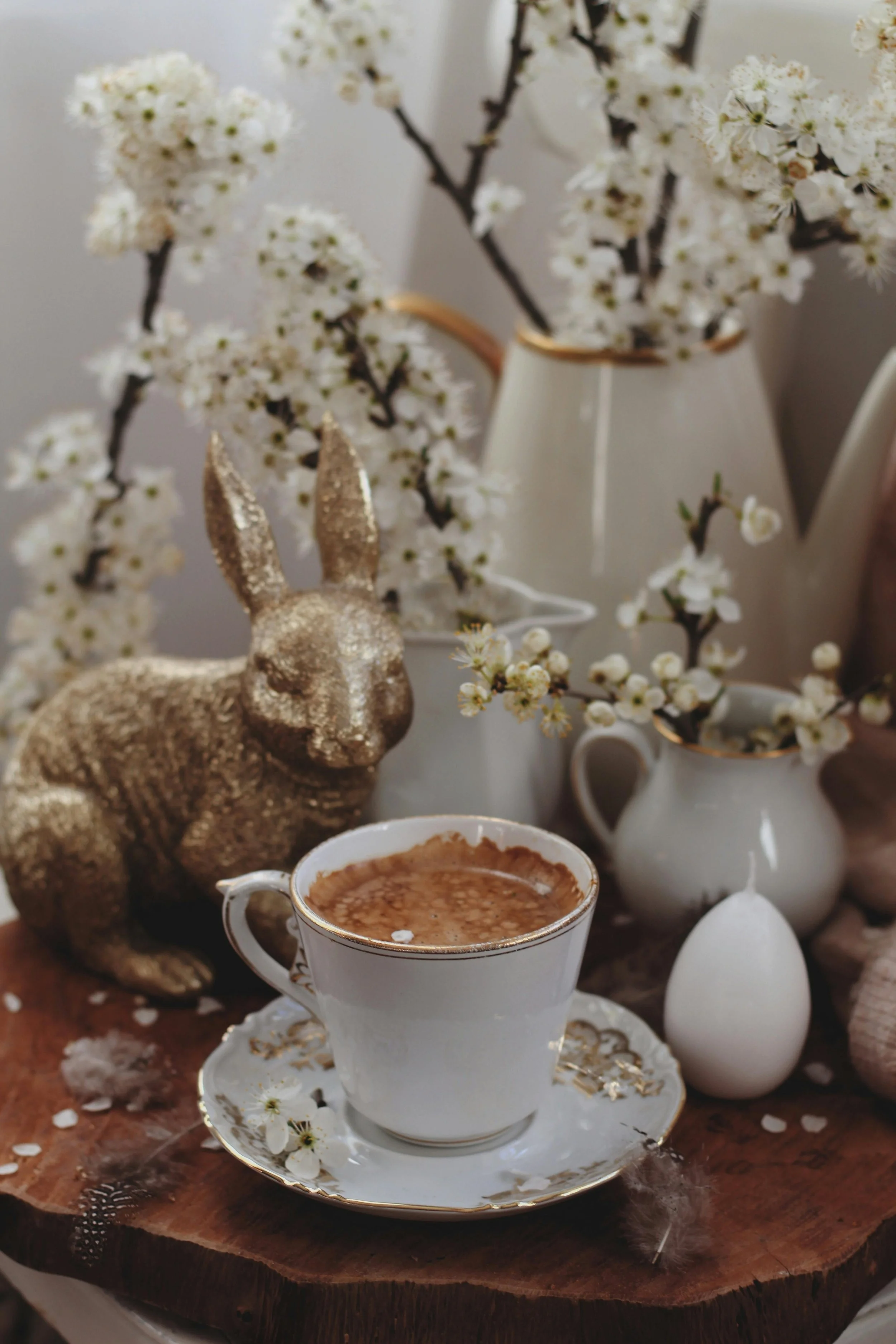
How Christianity Rebranded Easter: A True Pagan Holiday
The Easter Bunny did not begin as a children’s character.
It began with the hare.
Long before it was softened into something playful, the hare was a powerful symbol in many ancient cultures. Unlike rabbits, hares are wild, fast, and deeply connected to the cycles of the earth. They were often associated with fertility, intuition, and the liminal space between worlds.
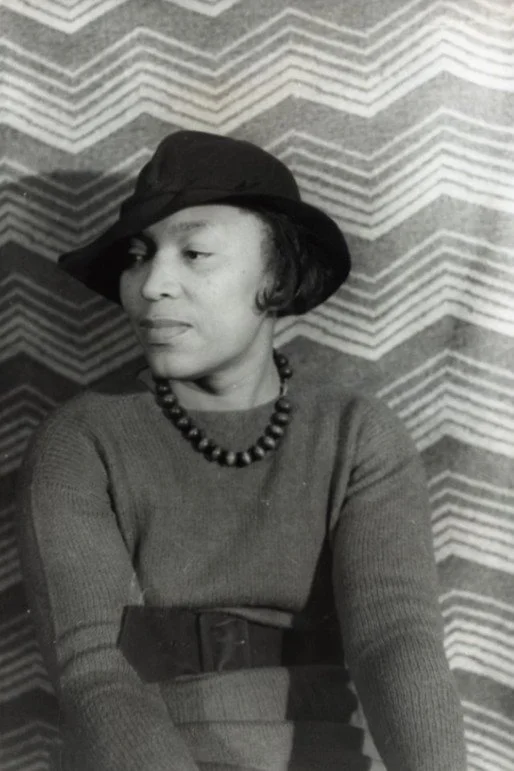
A Voice That Refused to Be Silent: Zora Neale Hurston
In her powerful 1928 essay How It Feels to Be Colored Me, Zora Neale Hurston reflects on identity, individuality, and the experience of moving through the world with confidence and self awareness. Written during the Harlem Renaissance, Hurston’s voice is bold, thoughtful, and unapologetically her own. In this timeless piece, she challenges assumptions about race and identity while celebrating the richness of personal perspective.
Read the full essay and discover why Hurston’s words continue to resonate nearly a century later.