

The Uncredentialed Knower

Long before knowledge required credentials, it required attention.
Someone had to notice which plants soothed fever and which ones poisoned the blood. Someone had to observe how a body changes during pregnancy, how certain herbs ease pain, how illness spreads through a household. This knowledge did not emerge from institutions. It emerged from proximity to life itself. For centuries, much of this practical knowledge was held by women.
Midwives, herbalists, caretakers, women who moved through the intimate spaces of the body: birth, illness, recovery, death. Their authority rarely came from written texts. It came from repetition, observation, and trust built within communities. They were not scholars in the institutional sense.
Yet they knew things that mattered.
Knowledge Before Institutions
Before medicine became a regulated profession, healing often existed in this informal sphere. Remedies were prepared in kitchens or small gardens. Plants were gathered along paths, in fields, or at the edges of forests. Knowledge circulated orally, passing through families and neighborhoods rather than through schools. These practices did not claim universal authority. They operated through familiarity.
A woman known for her remedies would be called when a child developed a fever. Another might be asked to assist during childbirth because she had already helped many women through the same passage. Knowledge accumulated quietly, through years of embodied experience. No diploma confirmed it. The community itself did.
When Experience Became Suspicion
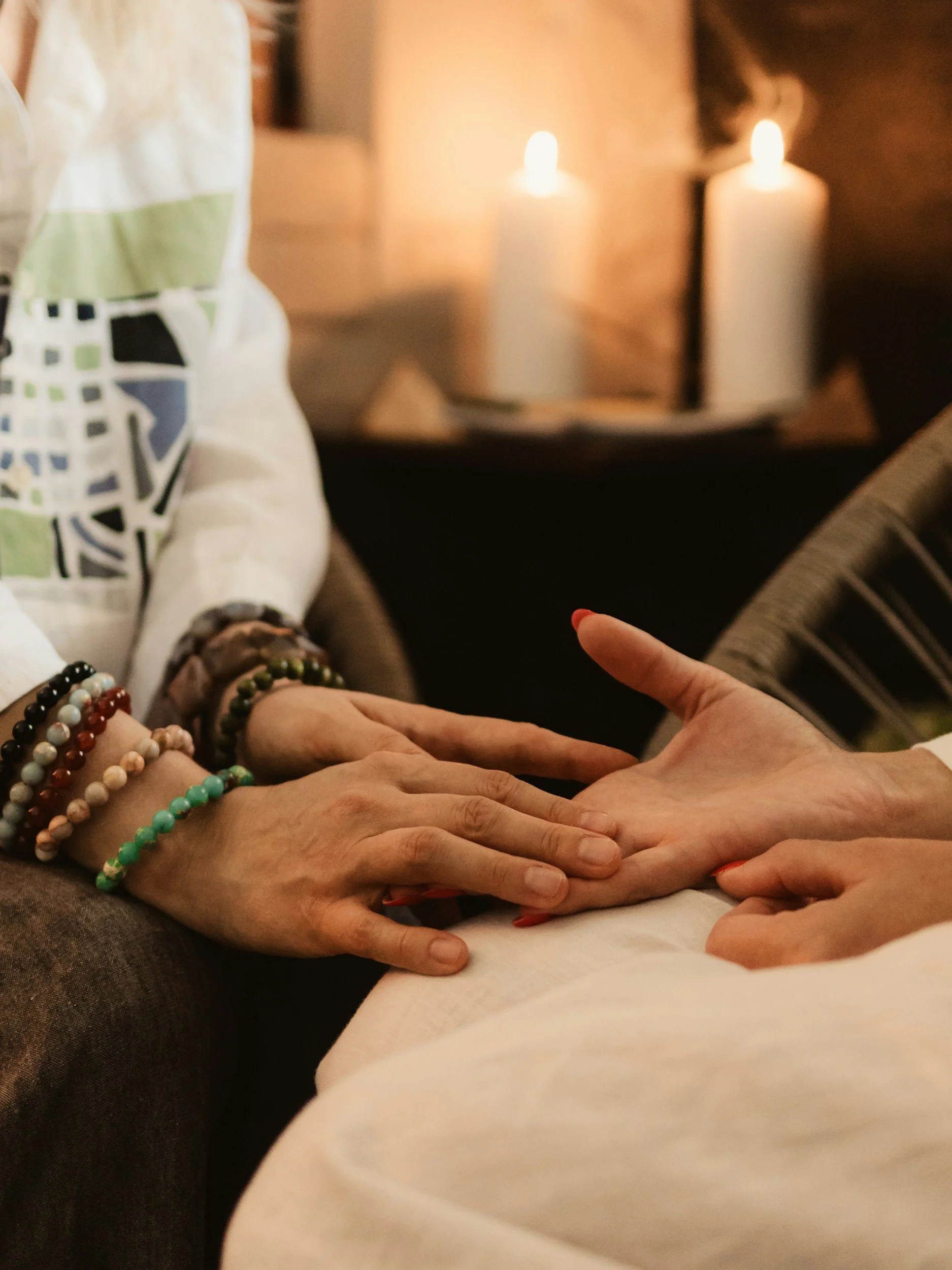
Yet this form of authority was fragile.
As religious and medical institutions expanded their influence, knowledge increasingly required formal validation. Expertise began to depend on texts, universities, and official recognition. What had once been considered practical knowledge slowly became suspect.
Women whose authority came from experience rather than certification found themselves occupying an ambiguous position. Their skills remained useful, but they existed outside the structures that defined legitimate expertise. In certain moments of tension, that ambiguity could turn dangerous.
Practices once described as healing could be reinterpreted as manipulation of hidden forces. The same hands that prepared remedies might suddenly be accused of preparing poison.
The difference between healer and witch was often decided not by the practice itself, but by who had the authority to define it.
Women Who Were Known to Know
Historical accusations frequently targeted women who possessed exactly this kind of informal expertise.
In communities across Italy, figures known as macàre, masciare, or other local names were believed to understand the subtle interactions between body, environment, and misfortune. They prepared herbal mixtures, offered protective gestures, and sometimes performed small rituals meant to counter illness or bad luck.
Their knowledge existed in a grey zone between medicine, ritual, and tradition. Within the community, this knowledge could be valued. From the perspective of institutional authority, it could appear threatening.
Something similar could be observed in rural regions such as Ciociaria, where practical knowledge often circulated through older women who had learned through observation rather than formal instruction.
When children were believed to suffer from the evil eye, someone might be called to segnare them: a protective gesture traced over the body while murmuring a brief prayer or formula. Oil dropped into water might be observed for signs believed to reveal disturbances.
From the outside, such practices can appear simple. But they represent accumulated layers of observation, belief, and experience that have been transmitted through generations.
These women rarely claimed special status.
They did not present themselves as authorities.
Yet people turned to them precisely because they were known to know.
Knowledge Without Credentials
The tension between experience and credential did not disappear with modernity.
Even as institutional medicine expanded, forms of practical knowledge continued to circulate in parallel. Herbal remedies remained common in many rural areas. Advice about illness, pregnancy, or recovery continued to move through informal networks of care.
What changed was the language used to describe such knowledge.
Without institutional validation, it was increasingly labeled superstition, belief, or folklore.
These terms often imply that such practices are irrational or outdated.
But this classification overlooks an important fact.
Much of this knowledge emerged from sustained observation of bodies and environments. It developed through trial, error, and memory long before scientific frameworks existed to explain why certain remedies worked.
The absence of credentials does not necessarily mean the absence of knowledge.
A Different Kind of Expertise
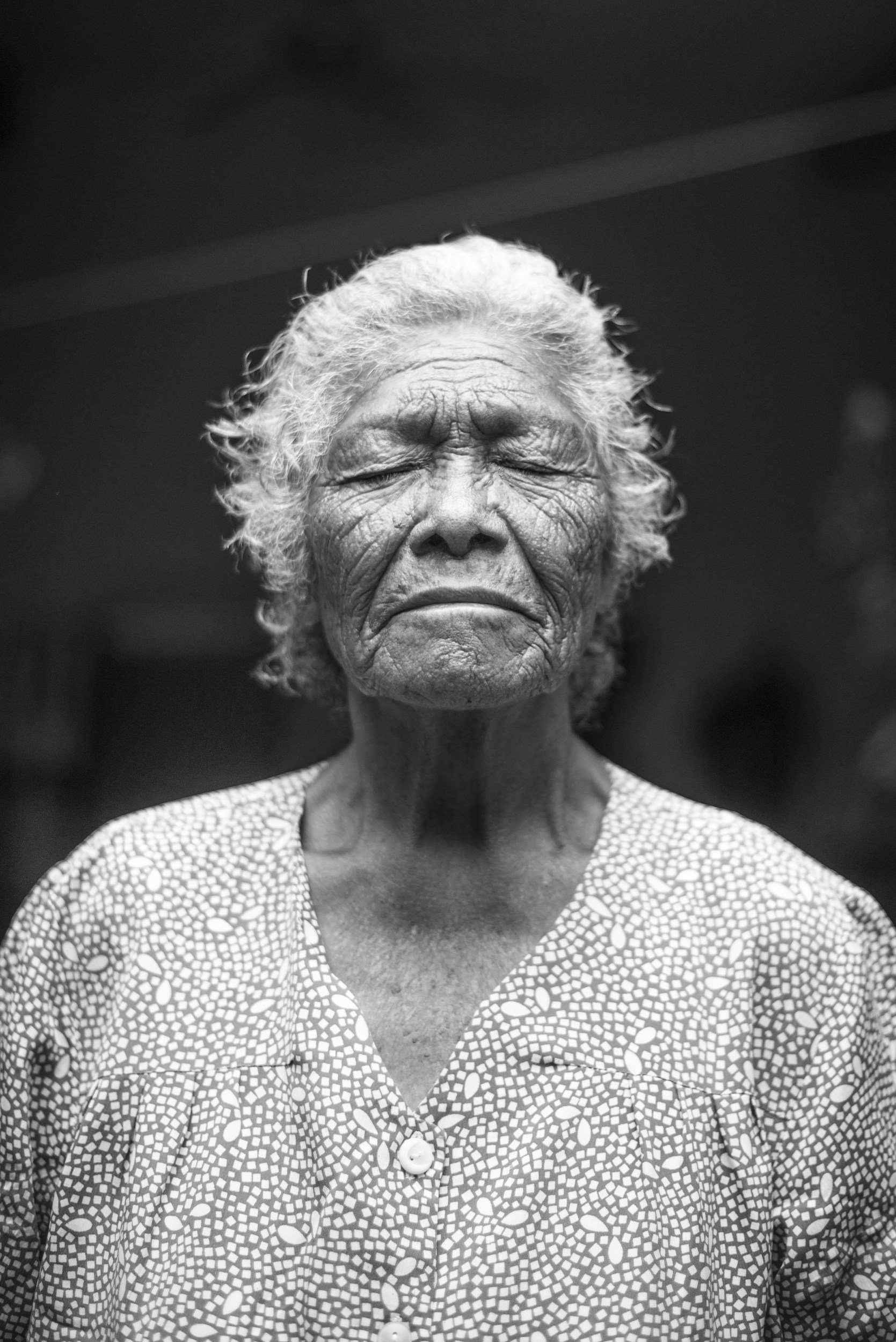
The uncredentialed knower occupies an uncomfortable position within modern systems of authority.
On one hand, their knowledge may still be quietly consulted. People continue to seek advice from elders, neighbors, or family members who have accumulated practical experience.
On the other hand, this knowledge often lacks the legitimacy required to be recognized publicly.
It survives in the margins.
It circulates quietly, without claiming institutional space.
In this sense, the uncredentialed knower represents a different model of expertise: one grounded in relationship rather than certification, in practice rather than theory.
A Living Archive
This model of knowledge is difficult for institutions to accommodate.
Institutions require clear boundaries: licensed versus unlicensed, scientific versus unscientific, authorized versus unauthorized.
Informal knowledge complicates these categories.
It exists between them.
For this reason, it has often been pushed outward, categorized as tradition or belief rather than recognized as a form of situated understanding.
Yet communities continue to rely on it.
Not because it replaces institutional knowledge, but because it responds to aspects of life that formal systems sometimes overlook: care within families, long-term observation of local environments, intuitive familiarity with bodies that one has lived alongside for decades.
To acknowledge the uncredentialed knower is not to reject institutional knowledge.
It is to recognize that knowledge has never belonged to a single structure.
Some knowledge emerges in laboratories.
Some emerges in universities.
But other forms develop in kitchens, gardens, and the intimate spaces of care where people learn through presence rather than theory.
These forms rarely produce books.
They produce continuity.
The history of the witch reminds us how easily such knowledge can be delegitimized when it exists outside recognized structures.
What once functioned as care can be reframed as threat.
What once helped sustain communities can be reinterpreted as superstition.
Yet the persistence of these practices suggests that knowledge does not disappear simply because institutions refuse to recognize it.
It changes form.
It moves quietly through relationships and habits, through memory and repetition.
The uncredentialed knower remains part of this living archive.
Not because she holds secret powers,
but because she continues to practice a form of attention that institutions alone cannot contain.
Sources and References
This essay is informed by historical, cultural, and feminist scholarship on witchcraft persecutions, women’s
knowledge traditions, and Southern Italian folk practices.
Books
Serra, Pierluigi. Maghe e streghe d’Italia. Newton Compton Editori.
Academic and Research Texts
Federici, Silvia. La caccia alle streghe e la paura del potere delle donne. Accademia UNIDEE.
Forni, A. Donne, streghe e streghette nella letteratura per l’infanzia del secondo Novecento: dalla caccia alle
streghe al femminismo magico. Quaderni di Intercultura.
Articles and Cultural Essays
Eleonora Derrico.
“O sottomesse o streghe: le donne dalla caccia alle streghe a oggi.”
https://www.eleonoraderrico.it/o-sottomesse-o-streghe-le-donne-dalla-caccia-alle-streghe-a-oggi/
The Vision.
“Le femministe e la figura della strega.”
https://thevision.com/cultura/femministe-streghe-rogo/
The Vision.
“La caccia alle streghe.”
https://thevision.com/attualita/caccia-streghe/
Cultural and Historical Sources
“Anare di Benevento e leggende della stregoneria femminile.”
https://www.ambasciator.it/anare-benevento-leggende-stregoneria-femminile/
“Donas de fuera.”
https://it.wikipedia.org/wiki/Donas_de_fuera
Pink Magazine Italia.
Historical articles on witchcraft and women’s history.
https://pinkmagazineitalia.it/donne/40436/
Agoravox.
“Le masciare: streghe del Sud Italia.”
https://amp.agoravox.it/Le-Masciare-Streghe-dal-Sud-Italia.html
Strega in Biblioteca.
“Streghe, maghe e donne ribelli.”