

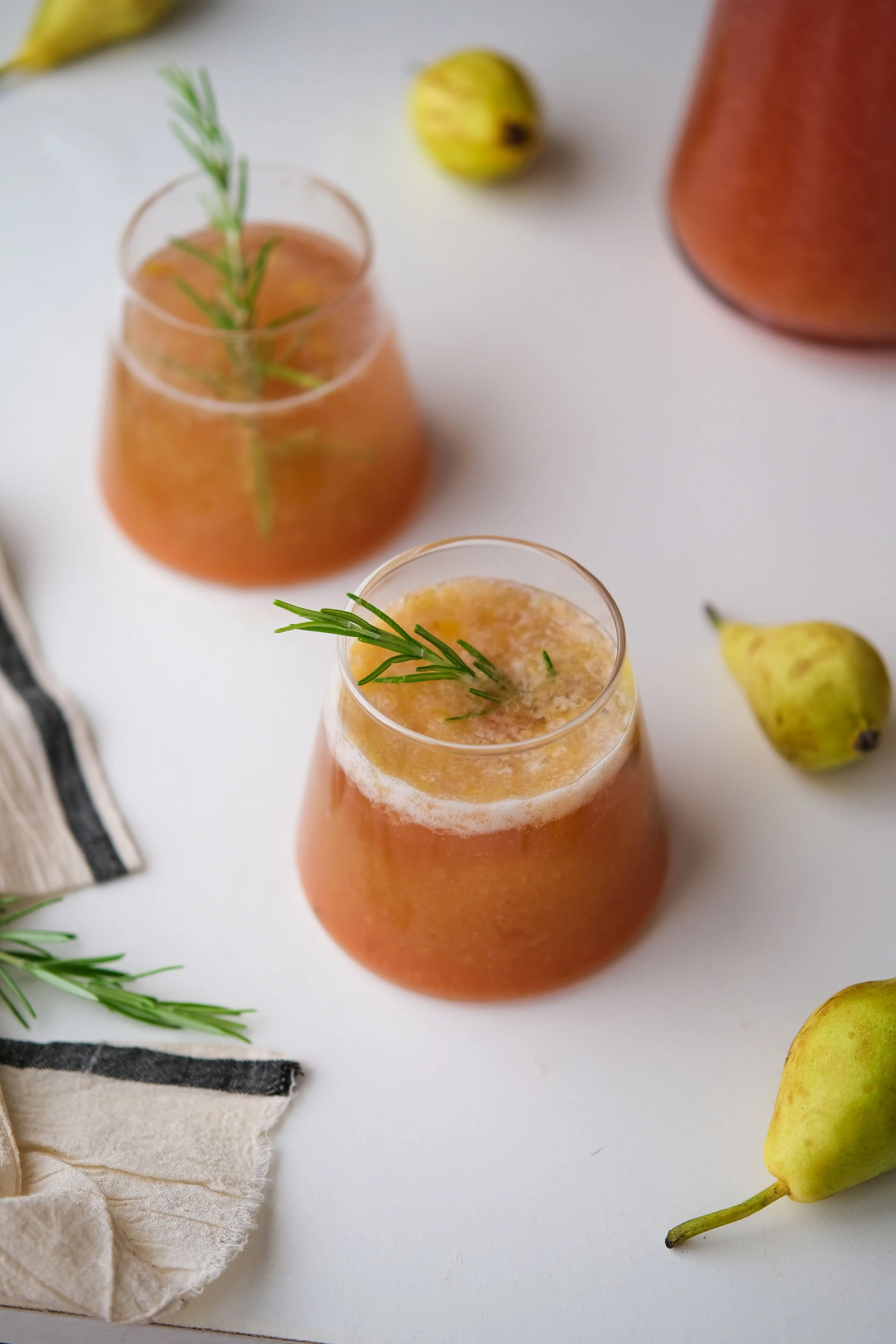
POTIONS & PREPS | The Equinox Elixir: Pear, Ginger & Rosemary Shrub
Celebrate the September harvest with a sweet-tart pear, ginger, and rosemary shrub. This simple drinking vinegar brings together ripe autumn fruit, warming herbs, honey, and the old tradition of preserving the season in a bottle.
Photography and Food Styling by Kübra Doğu
Ripe pear, fresh ginger, rosemary and apple cider vinegar come together in a sweet-tart drinking shrub made for the transition from summer into autumn.
September sits between seasons. Pears are ripening, evenings are arriving earlier, and the kitchen begins moving from summer's fresh abundance toward the flavors we preserve for colder months. For a Mabon table, a shrub feels especially appropriate. These sweet-and-sour concentrates combine fruit, sugar or another sweetener, and vinegar, drawing on a much older tradition of acidulated and preserved drinks. (Institute of Culinary Education)
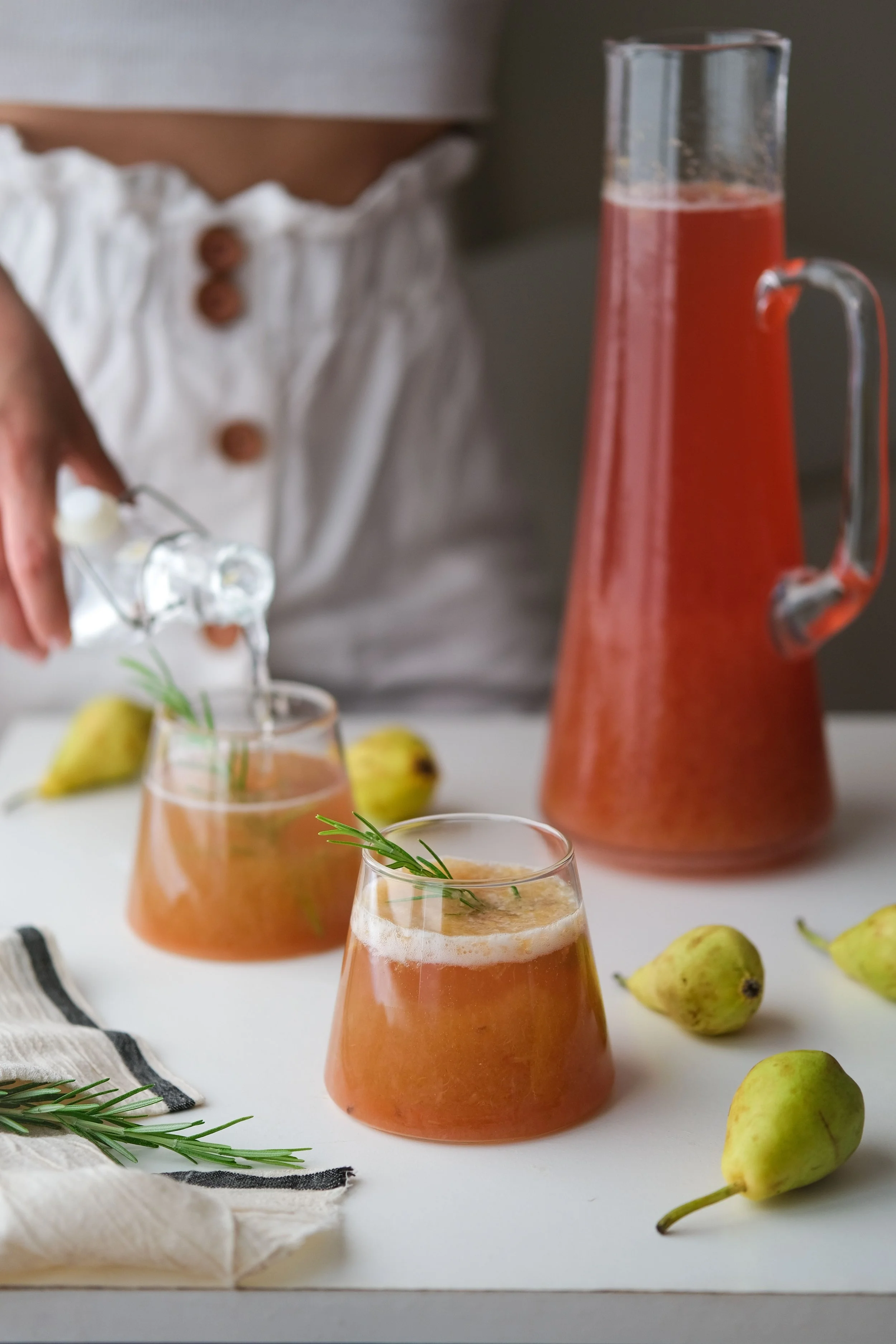
This version uses pear for mellow sweetness, ginger for warmth and rosemary for its distinctly green, resinous fragrance. Ginger has a long culinary and traditional-use history and has also been studied clinically, particularly for certain forms of nausea, although research on supplements should not be confused with the effects of a culinary drink. (NCCIH) Rosemary contains aromatic and phenolic compounds including rosmarinic acid, carnosic acid and carnosol. (PubMed Central (PMC)) Here, however, these plants are ingredients rather than medicine. This is a seasonal drinking vinegar made to taste good.
The Equinox Elixir
Makes approximately 2 to 2½ cups
Ingredients
2 ripe but firm pears, diced
1 cup apple cider vinegar
¾ cup honey
1 tablespoon freshly grated ginger
1 small sprig fresh rosemary
2 strips lemon peel
Small pinch of kosher or sea salt
Instructions
Prepare the fruit. Wash, core and dice the pears, leaving the peel on. Place them in a clean glass jar with the ginger, rosemary and lemon peel.
Release the juices. Gently press the pears with a wooden spoon or muddler. Do not puree them; simply break them enough to begin releasing their juice.
Add the vinegar. Pour in the apple cider vinegar and make sure the fruit is well saturated. Cover and refrigerate.
Infuse for 2 to 3 days. Gently shake the jar once or twice daily. Taste after the second day and remove the rosemary early if its flavor has become strong enough.
Strain. Pour through a fine-mesh strainer, pressing the pears gently. Strain through cheesecloth a second time if you prefer a clearer shrub.
Sweeten. Stir in the honey and a small pinch of salt until dissolved.
Bottle and refrigerate. Transfer to a clean glass bottle or jar and keep refrigerated. This is a refrigerated culinary preparation, not a shelf-stable canning recipe.
To Serve
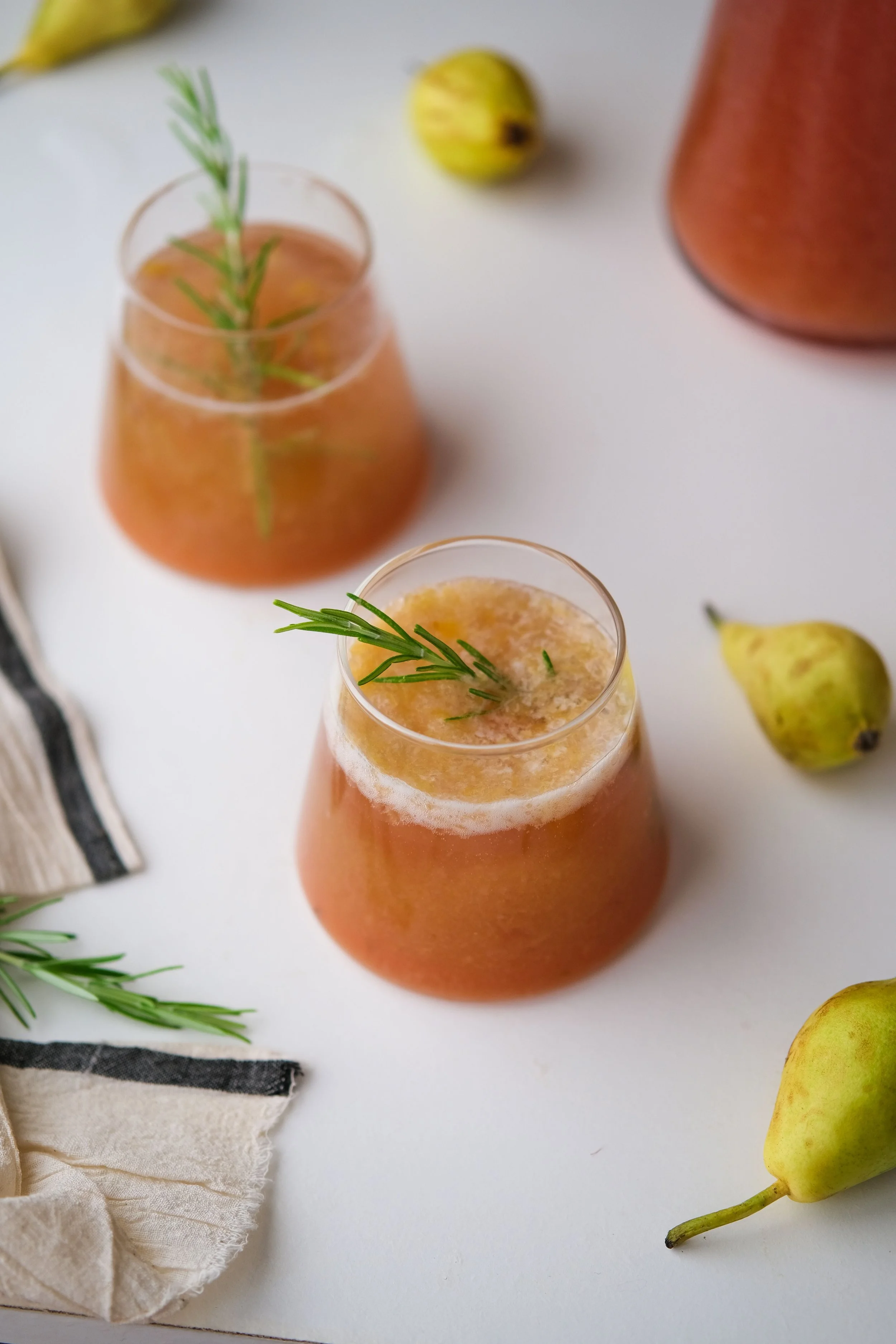
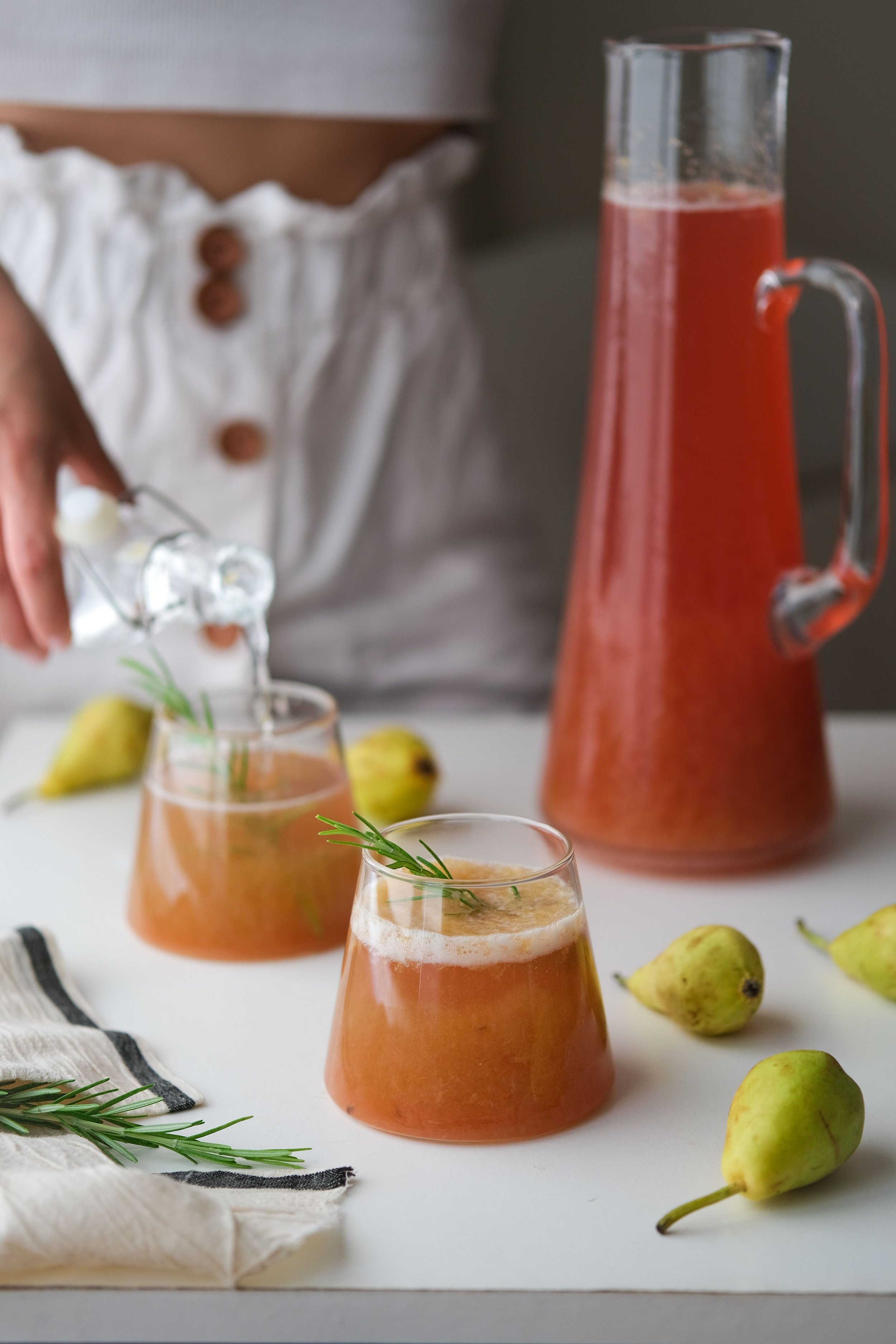
Mix 1 to 2 tablespoons of shrub with 6 to 8 ounces of sparkling or still water. It can also be stirred into iced tea or warm water for cooler September evenings. Because vinegar is acidic, the concentrate is intended to be diluted.
The beauty of this recipe is its simplicity. Pear captures the September harvest, while ginger and rosemary hint at the colder kitchen ahead. The vinegar changes fresh fruit into something that can linger a little longer, which is ultimately what preservation has always been about: not stopping the season from changing, but carrying a little of it with us when it does.
Sources & Further Reading
National Center for Complementary and Integrative Health. “Ginger: Usefulness and Safety.” An evidence-based overview of ginger's traditional uses, clinical research and safety considerations. (NCCIH)
Read at NCCIH
Nieto, Gema, Gaspar Ros and Julián Castillo. “Antioxidant and Antimicrobial Properties of Rosemary (Rosmarinus officinalis L.): A Review.” Medicines, 2018. Reviews rosemary's major phenolic and aromatic constituents, including rosmarinic acid, carnosic acid and carnosol. (PubMed Central (PMC))
Read the research at PubMed Central
Institute of Culinary Education. “What the Shrub Is a Drinking Vinegar?” A culinary overview of shrubs and the combination of fruit, sugar and vinegar used to make them. (Institute of Culinary Education)
Read at the Institute of Culinary Education
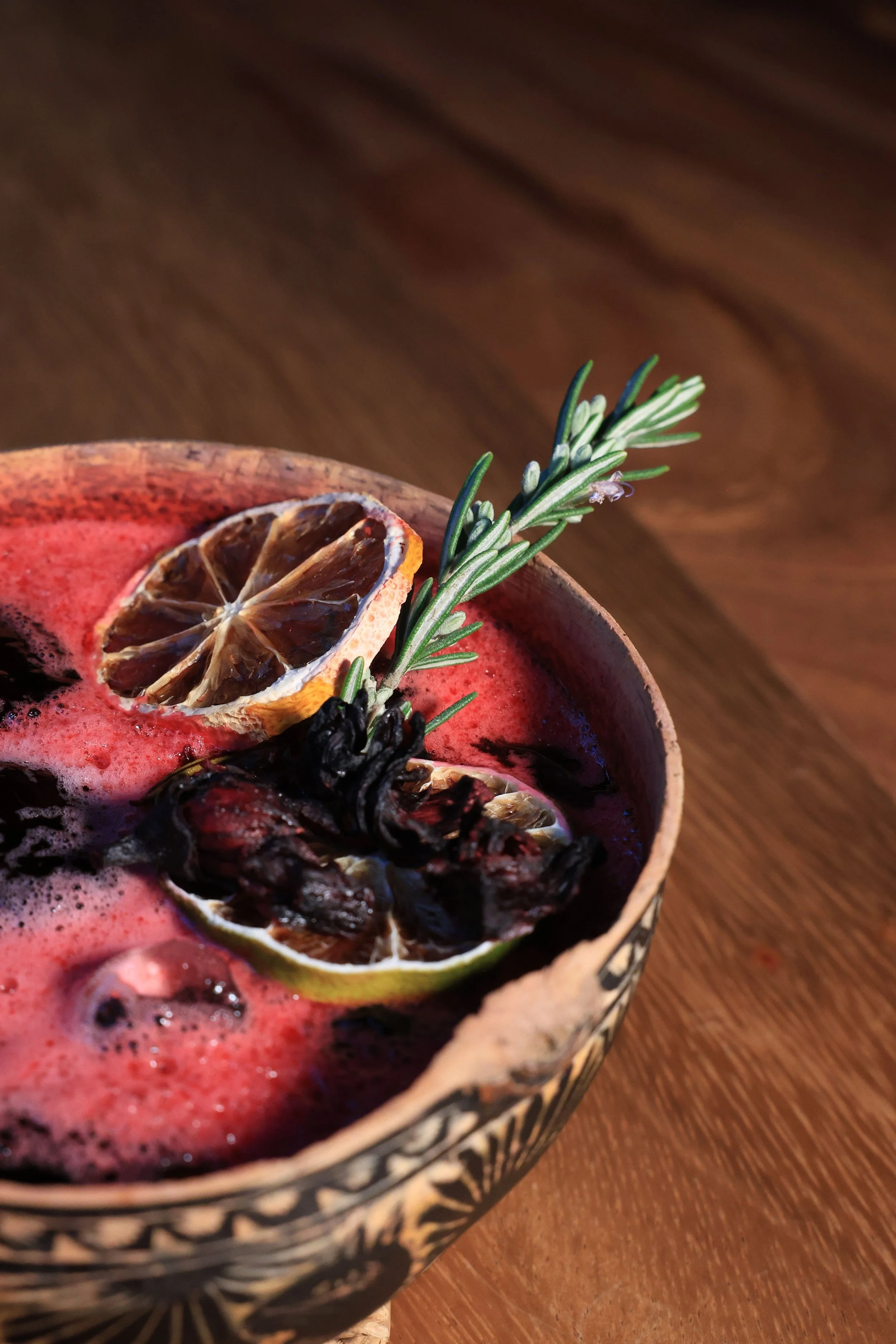
The Last Harvest Tonic | Potions & Preps
Capture the final abundance of summer with a blackberry, rosemary, and lemon tonic inspired by harvest, preservation, and the quiet transition toward autumn.
A late-summer preparation of blackberry, rosemary and lemon for the turning season
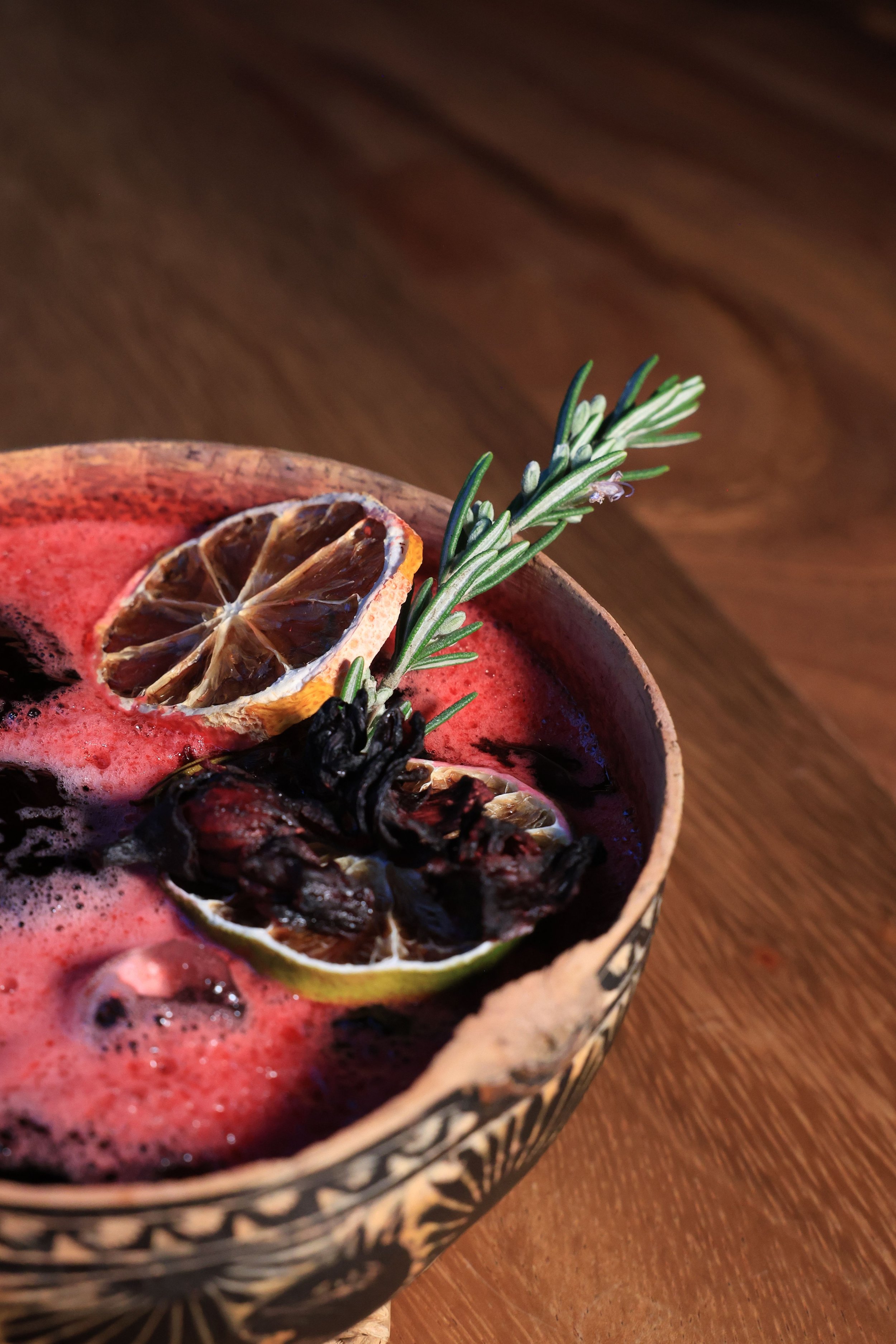
Photography for Kuiyibo Campos
By the final week of August, summer has begun to taste different. The sweetness is still there, but it is deeper now. Berries are dark and ripe, herbs have spent months beneath the sun, and the first suggestions of autumn are beginning to appear even while the afternoons remain hot.
This is the season of gathering.
Our ancestors did not experience harvest simply as an aesthetic season. Late summer was practical. What grew abundantly now had to be eaten, dried, fermented, preserved or prepared before it disappeared. The kitchen became the place where summer was transformed into something capable of surviving beyond itself.
For this month's Potion & Prep, we are making a blackberry, rosemary and lemon tonic: dark fruit, aromatic herbs and bright citrus prepared into a concentrated syrup that can be added to sparkling water, hot water or tea.
It is simple enough to make in an ordinary kitchen, but beautiful enough to feel ceremonial.
Why Blackberry?
There is something distinctly late-summer about blackberries. Their color alone seems to anticipate the darker months ahead: deep purple-black fruit arriving while the landscape is still green.
Blackberries have also accumulated centuries of folklore. Across European traditions, the bramble appears in stories surrounding boundaries, protection, healing and seasonal change. Its physical nature makes the symbolism understandable. The plant gives generously, but it protects itself with thorns.
For this preparation, however, we do not need to assign supernatural properties to every ingredient. Sometimes an ingredient belongs in seasonal practice simply because this is when the earth gives it to us.
That relationship with seasonality is its own kind of magic.
Rosemary at the Threshold
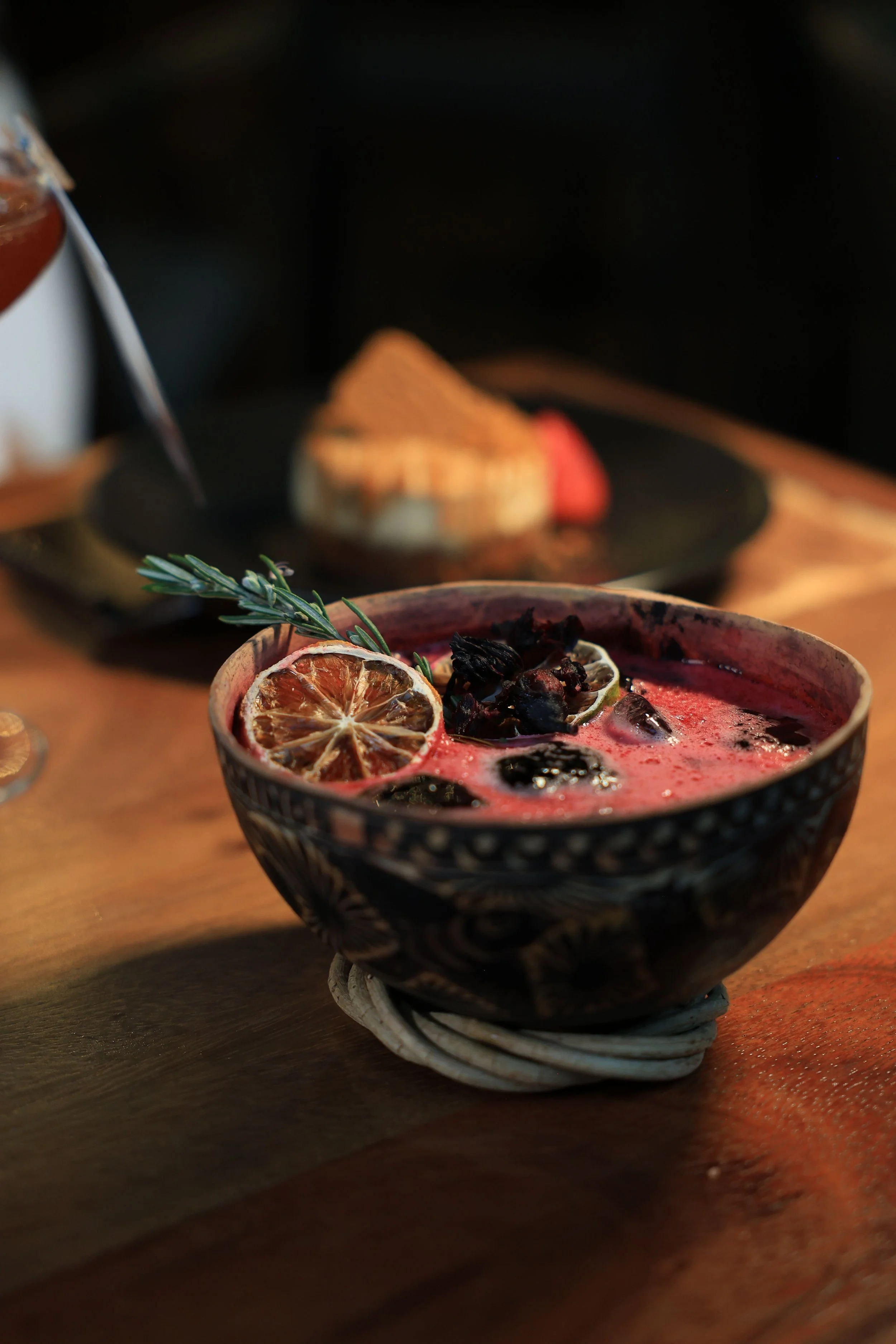
Rosemary has a long cultural relationship with remembrance. It has appeared in European funerary, wedding and domestic traditions and has been associated with memory for centuries.
Here, rosemary prevents the blackberry from becoming overwhelmingly sweet. Its resinous, almost pine-like quality gives the tonic a more complex character and begins moving the flavor away from summer.
Use it sparingly. Rosemary is assertive.
One or two small sprigs are enough.
The Last Harvest Tonic
You will need:
2 cups fresh or frozen blackberries
1 cup water
½ to ¾ cup honey or sugar
2 small sprigs fresh rosemary
Juice of 1 lemon
A clean glass jar or bottle
Place the blackberries and water in a saucepan over medium heat. Bring the mixture to a gentle simmer and allow the berries to soften for approximately 10 minutes, pressing them occasionally with the back of a spoon.
Add the rosemary and continue simmering for another 5 minutes.
Remove the saucepan from the heat and allow everything to steep for approximately 10 minutes. Strain the liquid through a fine mesh strainer, pressing gently against the berries to extract the juice.
While the liquid is still warm, stir in your honey or sugar until completely dissolved. Begin with the smaller amount and taste before adding more. The goal is not to erase the tartness of the berries.
Once the mixture has cooled somewhat, stir in the fresh lemon juice.
Transfer your tonic to a clean glass container and refrigerate.
Because this is a fresh preparation rather than a shelf-stable preserve, keep it refrigerated and use it within about a week. If you notice mold, fermentation, an unusual odor or other signs of spoilage, discard it.
How to Use It
Add a spoonful or two to sparkling water and serve over ice for the final hot afternoons of August. Stir it into warm water when the evenings begin cooling. Add a little to black tea, drizzle a small amount over fruit or yogurt, or use it as the base for a nonalcoholic botanical drink.
You can also freeze the tonic in ice-cube trays. Later in the year, drop one into hot tea or sparkling water and suddenly August returns.
That may be my favorite form of preservation: not simply preserving food, but preserving a moment.
Make the Preparation the Ritual
There is no requirement that a potion contain something mysterious.
The word itself comes with centuries of associations, but at its simplest, a potion is a prepared liquid. What changes the experience is attention.
Notice the blackberries staining the water. Crush a rosemary leaf between your fingers before adding it and smell the oil it releases. Taste the syrup before deciding whether it needs more sweetness. Watch its color deepen as it cooks.
Then consider what you would like to preserve from this summer.
Not everything needs to follow you.
Perhaps there was a relationship that became clearer, an idea that finally began moving, a boundary you learned to hold, a place you discovered, a habit you built or simply an afternoon you wish you could keep.
Choose one.
Write it on a small piece of paper and place it beneath the jar while the tonic cools. There is no need to put the paper inside the preparation. Symbol and food can remain separate.
Let the jar represent what you have chosen to carry forward.
The Magic of Preservation
Seasonal magic does not always need to involve calling something new into existence. Sometimes the work is recognizing what has already arrived.
August gives us an abundance that cannot remain in its present form. Fruit ripens and then spoils. Herbs flower and eventually return to the ground. Light shortens. The garden changes.
Preservation accepts this without pretending we can stop it.
We cannot keep the blackberry on the vine forever.
But we can transform it.
Perhaps that is one of the quieter lessons of the late-summer kitchen. Keeping something does not always mean preventing it from changing. Sometimes we preserve what matters precisely by allowing it to become something else.
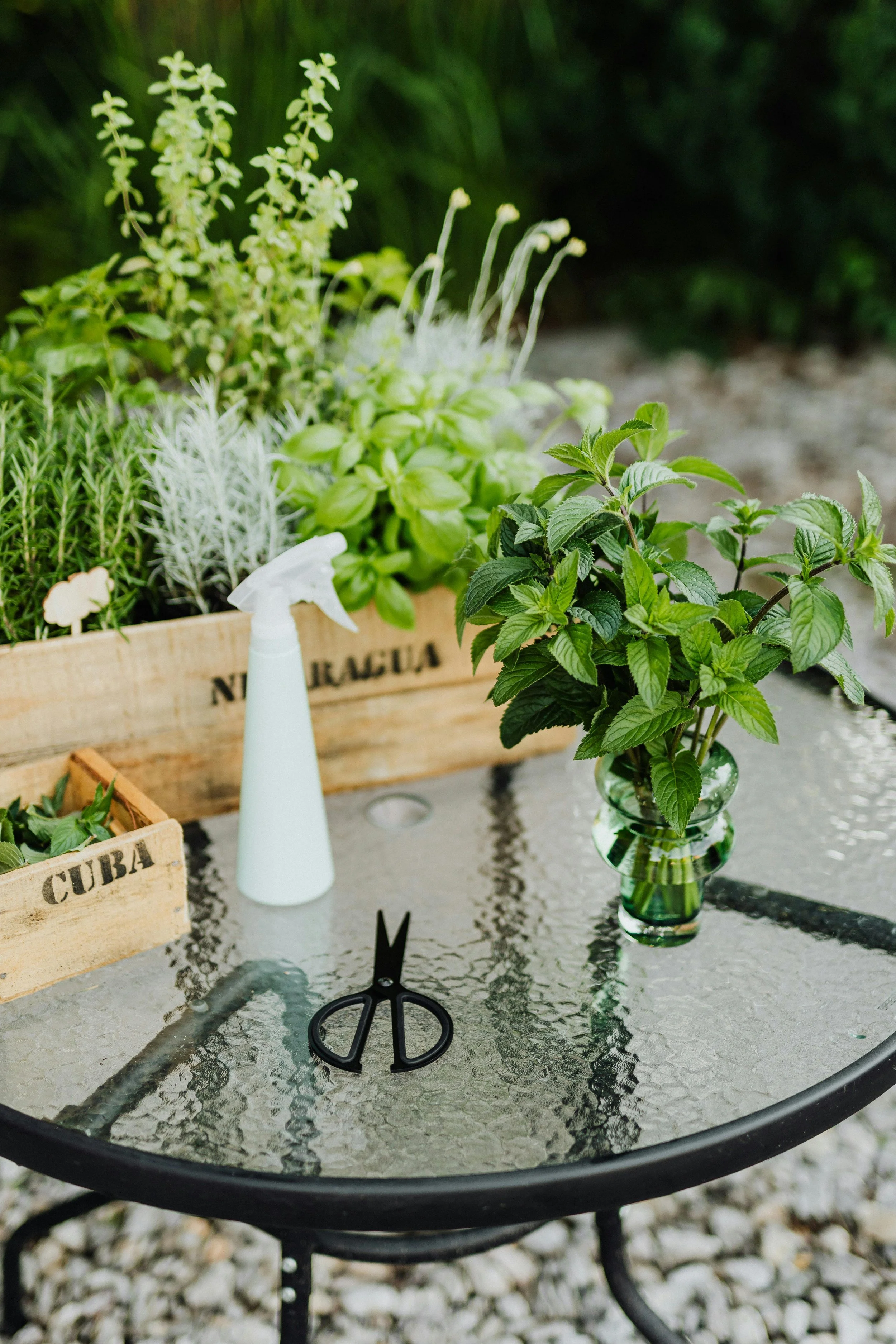
The Late Spring House Potion: A Rose, Mint, and Lemon Balm Cooling Spray for Calm and Clear Energy
This rose, mint, and lemon balm cooling spray is the perfect late spring house potion for calming overstimulated rooms, hot tempers, restless sleep, and nervous system fatigue.
Photography by www.Kaboompics.com
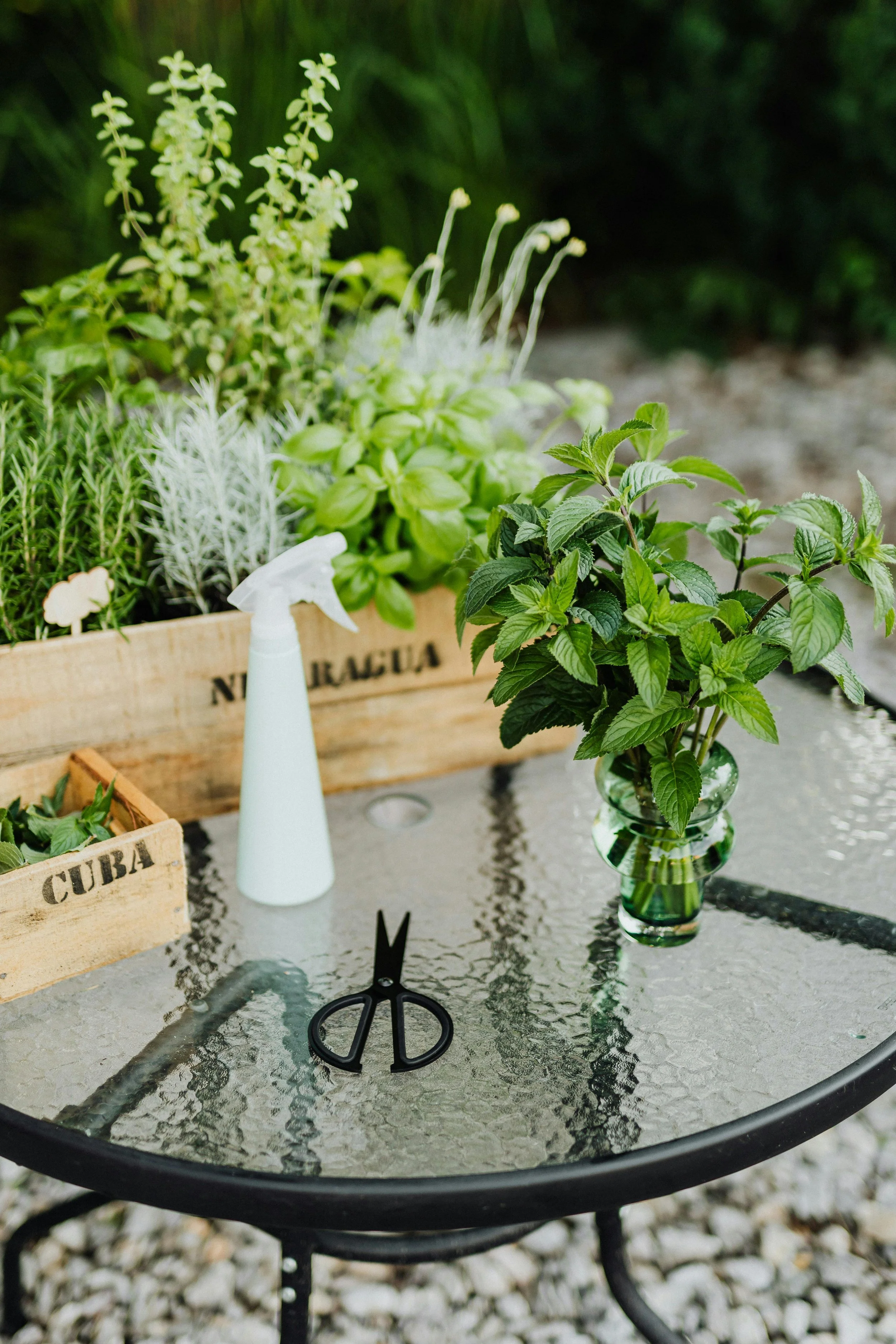
By the end of May, the atmosphere changes.
The windows stay open longer. The rooms heat faster. Tempers shorten. Sleep gets lighter. The nervous system begins registering more sound, more sunlight, more movement, more insects, more human activity.
Late spring is beautiful, but it is stimulating.
And overstimulation has a smell.
It lingers in stale rooms, on warm sheets, in the sharpness of a tense kitchen, in the feeling that everyone in the house is somehow one degree too alert.
This is why every herbal household should have a cooling house potion by late May — something simple enough to spray over linens, curtains, thresholds, and the back of the neck when the season starts buzzing too loudly.
This rose, mint, and lemon balm spray is designed to do exactly that: lower atmospheric irritation, cool emotional heat, and return the home to a softer frequency.
Why These Herbs Work Together
Rose
Rose has long been used in herbal energetics for emotional softening, grief reduction, and heart regulation. Its scent slows the breath and reduces the sharp defensive posture the body takes under stress.
Mint
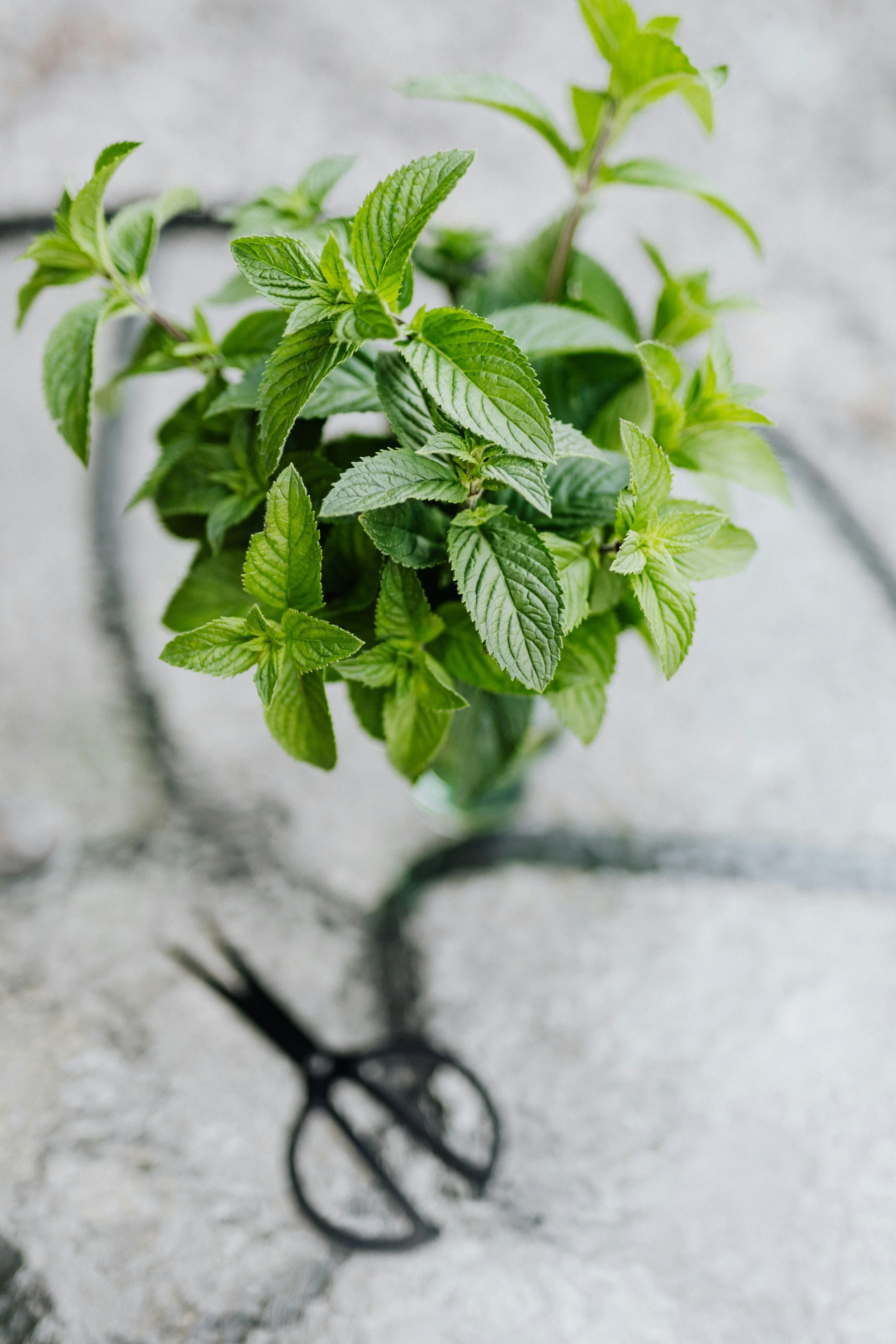
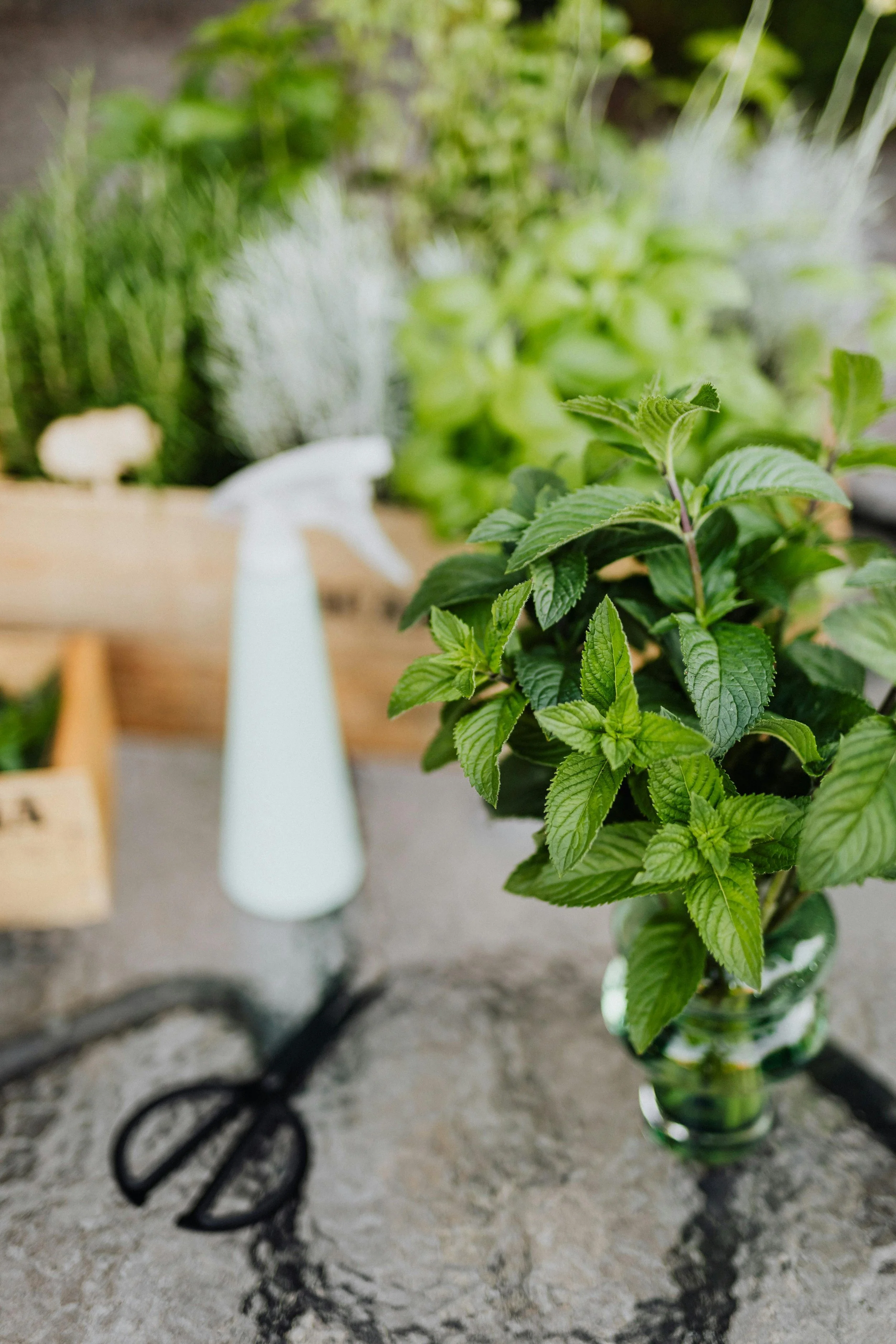
Mint cools physically and mentally. It cuts stagnant air, wakes dull rooms, and provides immediate sensory refreshment.
Lemon Balm
One of the gentlest nervines in Western herbalism, lemon balm is used for anxious digestion, agitation, restlessness, and emotional overheating. In room preparations, it gives a distinctly settled feeling.
Optional Florida Water or Witch Hazel
Acts as preservative and energetic cleanser.
Together they create a household mist that feels both medicinal and ceremonial.
You Will Need
1 tablespoon dried rose petals
1 tablespoon dried mint
1 tablespoon dried lemon balm
1 1/2 cups boiling water
2 tablespoons witch hazel or Florida Water
8–10 drops rose or peppermint essential oil (optional)
glass spray bottle
How to Make the Potion
Place the rose, mint, and lemon balm in a heat-safe jar or bowl.
Pour boiling water over the herbs and cover. Let steep until completely cool — about 30 to 40 minutes.
Strain well.
Add witch hazel or Florida Water and essential oils if using.
Pour into a glass spray bottle and refrigerate for a colder application.
Shelf life is approximately 7 to 10 days refrigerated.
How to Use It
Mist:
bedroom linens before sleep
curtains during hot afternoons
doorways after arguments
meditation spaces
your wrists and back of neck before going outside
This is not perfume.
It is climate correction for the body and the room.
Spoken Intention While Bottling
“I cool what has become inflamed.
I soften what has become sharp.
I return peace to the corners of this house.”
Bottle after speaking.
Label it if you are feeling civilized.
Bruja Prep Note
Every season needs its medicine made before the exhaustion arrives.
By late May, the wisest witches are not waiting until they are frazzled.
They are already misting the curtains.
Glamour Magick: How to Prepare a Glamour Potion
Glamour magic is not illusion. It is alignment. It is the intentional shaping of how your energy is felt, how you are perceived, and how you carry yourself in that perception. It does not come from forcing an image. It comes from embodying a version of yourself that already exists beneath the surface.
Photography by Helin Gezer
In tradition, April is the new year. The true beginning.
With it comes a kind of openness that makes transformation feel natural instead of forced. This is the time where identity loosens. The body becomes more receptive. The mind softens. There is space to shift without resistance, without needing to push.
You are not locked into who you were.
You are becoming.

What is Glamour Magick
Glamour magick is not illusion. It is not about pretending or becoming someone else.
It is the intentional shaping of how your energy is felt, how you are perceived, and how you carry yourself within that perception. It begins internally, then moves outward. The way you move. The way you speak. The way your presence enters a space before you say a word.
It is subtle, but it is powerful.
A true glamour does not sit on top of you.
It moves through you.
Why April Matters
April holds the exact conditions that glamour magick needs.
Aries energy initiates. It asks you to choose yourself, to step forward, to define who you are becoming. Taurus follows, ruled by Venus, bringing that identity into the body, into beauty, into sensuality, into something that can be felt and sustained.
Fire begins it.
Earth holds it.
At the same time, spring heightens the senses. Light returns. The body wakes up. People become more aware, more receptive, more open. You feel it, even if you cannot explain it.
This is why glamour work is stronger now.
You are not forcing a shift.
You are moving with one that is already happening.
Glamour Potion
For Presence, Attraction, and Embodiment
This is something you can keep with you. A small, wearable preparation. Not just ritual, but something that lives in your daily movement.
What You Will Need
A small glass bottle or roller bottle
Jojoba oil or sweet almond oil (carrier)
2 to 3 drops rose oil or rose absolute
1 drop vanilla extract or vanilla oil
1 drop lavender oil
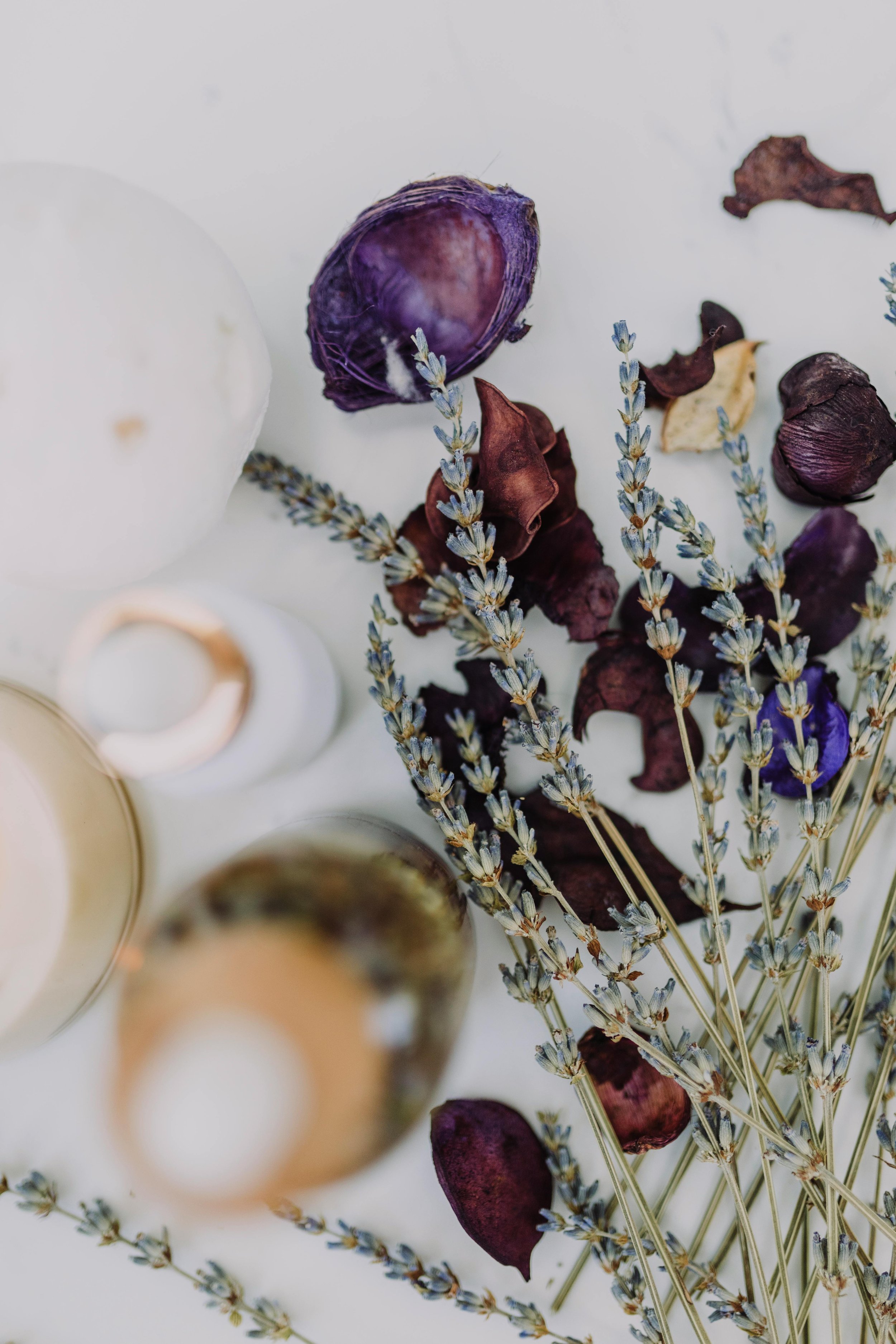
Optional: a pinch of dried rose petals
What Each Element Holds
Rose draws attraction and softens your presence.
Vanilla adds warmth and familiarity.
Lavender calms and steadies the energy so it does not feel forced.
The oil base holds and carries the intention through the body.
Preparation
Add your carrier oil to the bottle.
Drop in the essential oils slowly.
If using petals, add them last.
Close the bottle and roll it gently between your hands.
As you do this, think about how you want to be felt. Not just seen. Felt.
Activation
Hold the bottle and say:
I move with ease.
I am felt before I am understood.
What is meant for me is drawn to me.
How to Use
Apply lightly to:
Wrists
Neck
Behind the ears
Use before leaving your home, before being seen, before stepping into spaces where your presence matters.
This is not about excess. It is about consistency.
Closing
This potion is the preparation.
The embodiment comes through ritual.
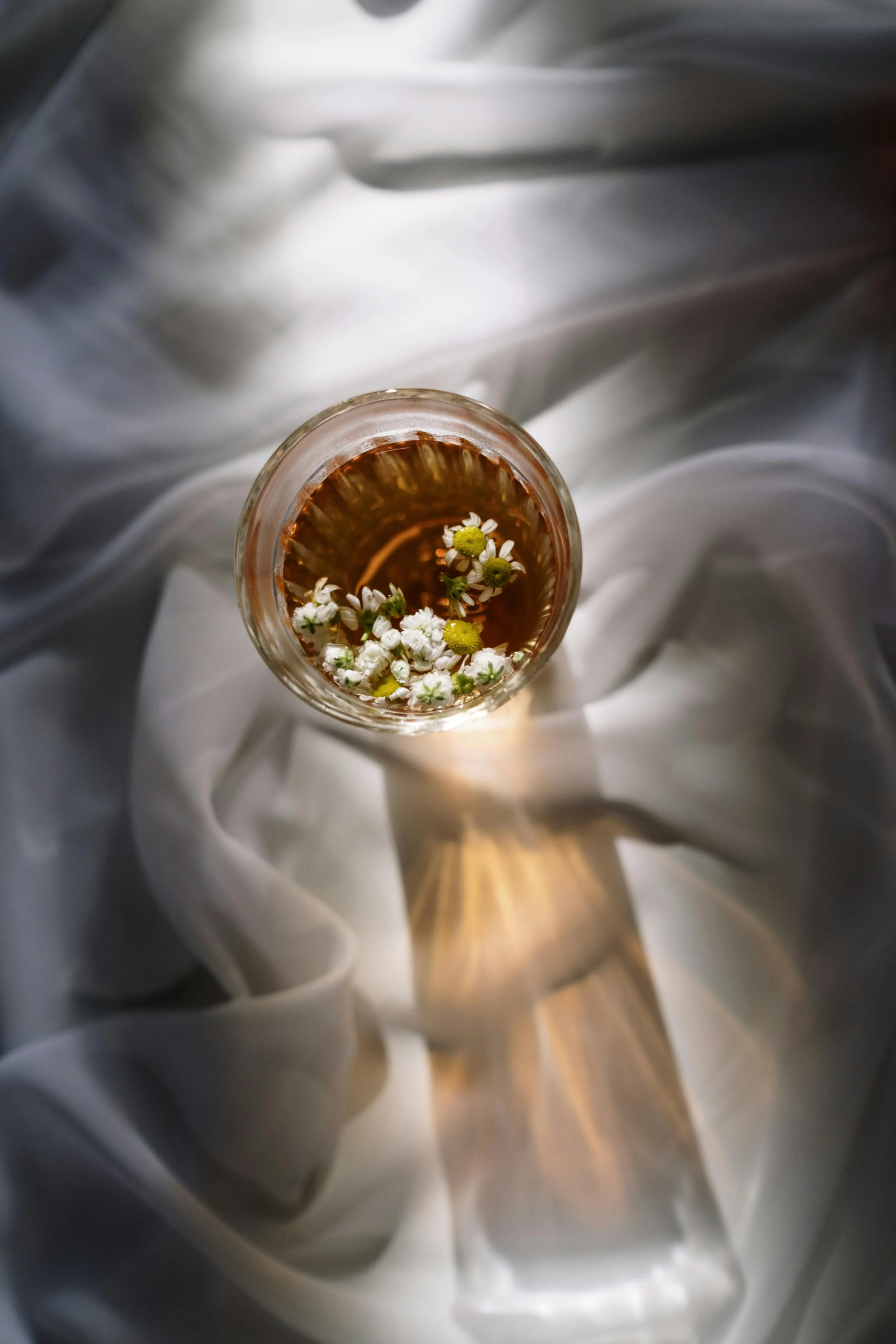
The Easiest Herbal Infusion for a First Timer
Herbal preparations do not have to be complicated. One of the easiest ways to begin working with herbs is through a simple infusion. In this guide, we explore how to make your first herbal infusion using chamomile, a gentle herb traditionally used to promote relaxation, digestion, and calm. This beginner friendly preparation introduces the basics of herbal practice using just hot water and dried flowers.
If you are new to working with herbs, the idea of making your own preparations might feel complicated at first. Many people imagine elaborate tools, rare plants, or complicated recipes. In reality, one of the oldest and most effective herbal preparations requires almost nothing at all.
It begins with hot water and a single herb.
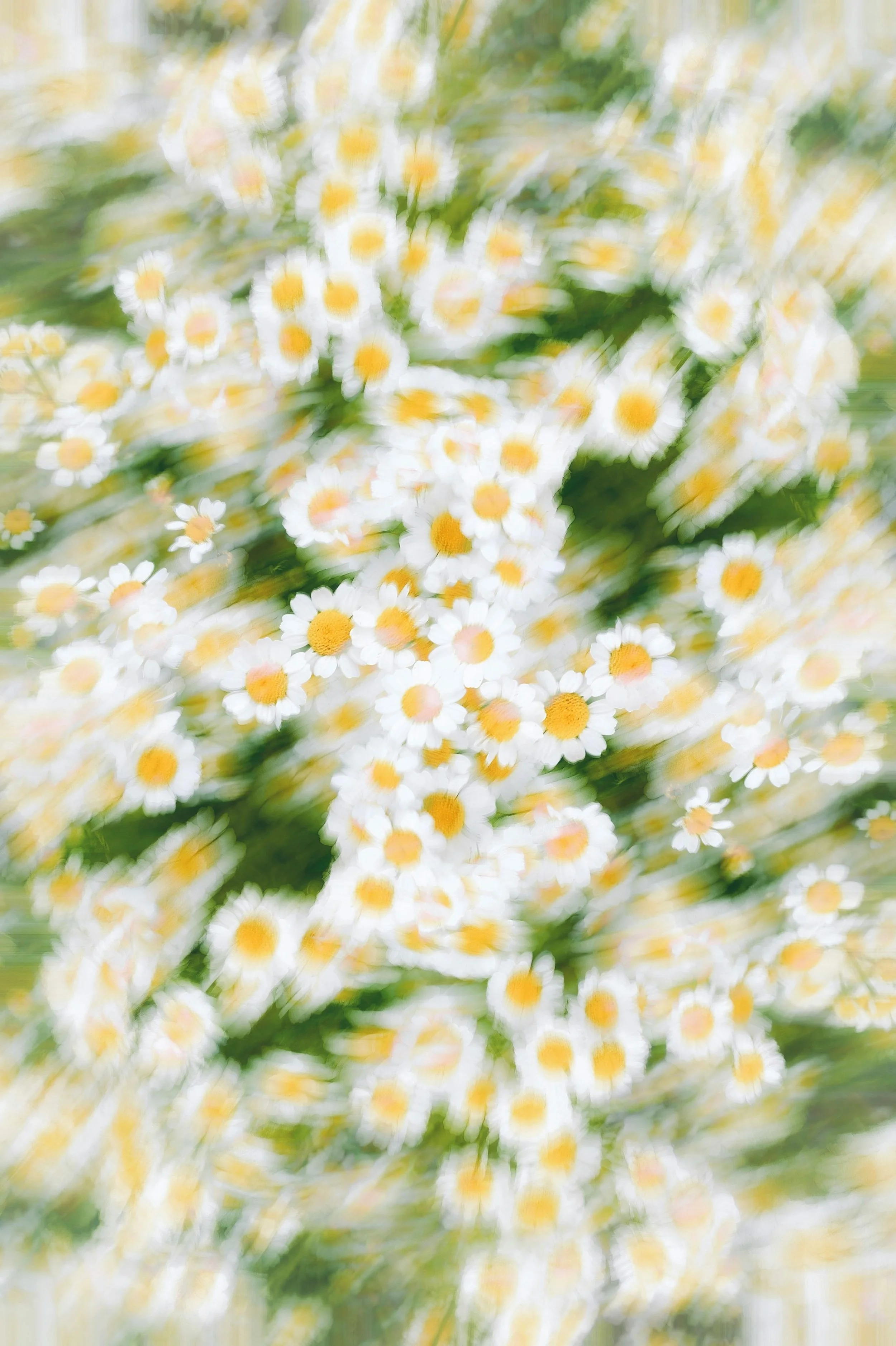
An herbal infusion is simply the process of steeping plant material in hot water to extract beneficial compounds. This method has been used for thousands of years across cultures and traditions. In fact, many herbal teas people drink every day are technically infusions.
For beginners, one of the easiest and most forgiving herbs to start with is chamomile.
Chamomile flowers are gentle, widely available, and well known for their calming properties. Traditionally, chamomile infusions have been used to support relaxation, ease digestion, and promote restful sleep. Because of its mild nature, chamomile is often recommended as one of the safest herbs for those beginning to explore herbal preparations.
What You Need
• 1 tablespoon dried chamomile flowers
• 1 cup hot water
• A mug or heat safe cup
• A lid or small plate to cover the mug
How to Prepare the Infusion
Place the dried chamomile flowers into your mug.
Pour hot water over the herbs.
Cover the mug with a lid or small plate.
Allow the herbs to steep for about 10 minutes.
Strain the flowers and enjoy the infusion warm.
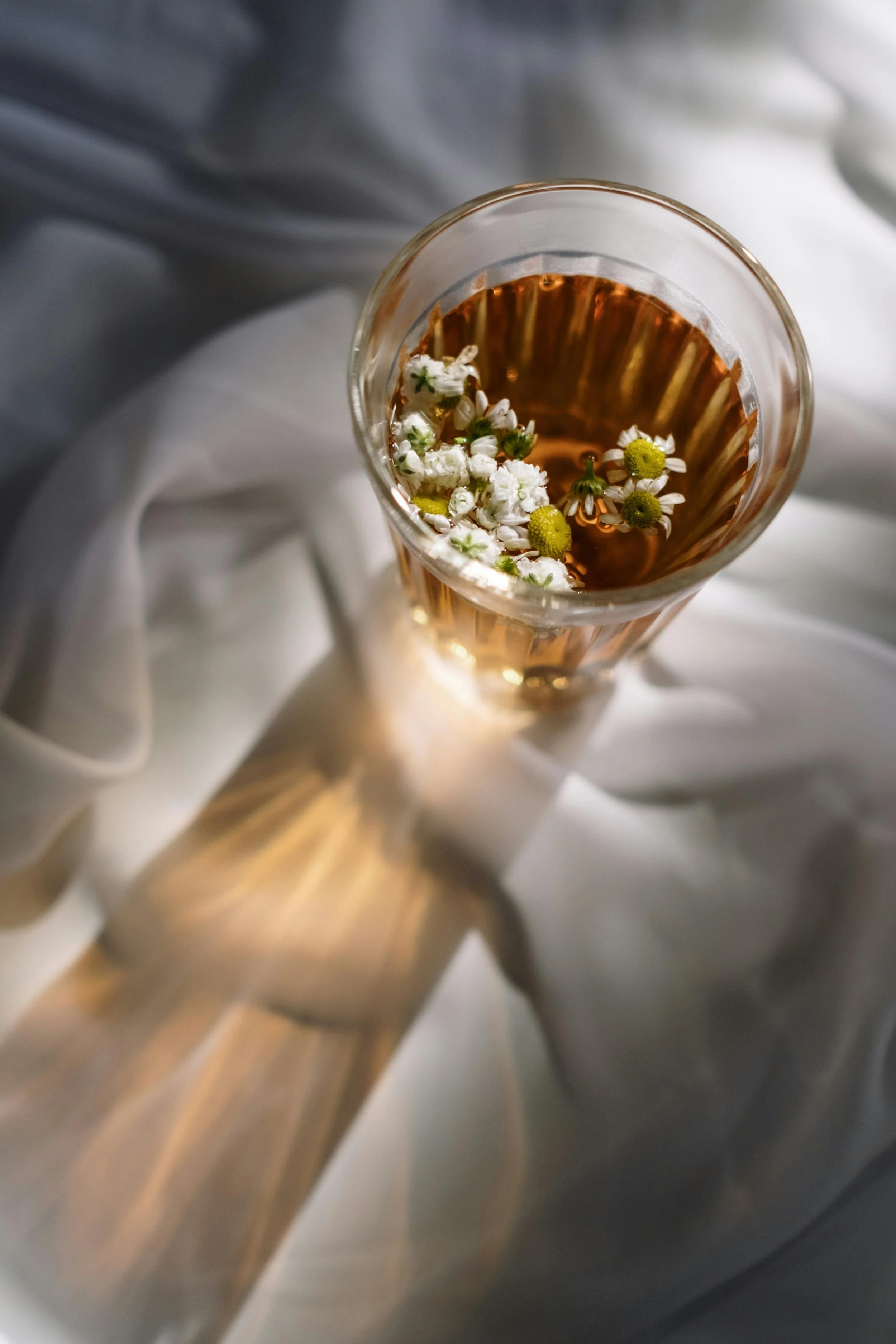
Covering the cup while the herbs steep is an important but often overlooked step. Many aromatic compounds found in herbs are volatile oils that can evaporate with steam. Covering the infusion helps preserve these beneficial compounds in the liquid.
The result is a golden, lightly floral tea that has been used in herbal traditions around the world.
Why Infusions Work
When herbs are steeped in hot water, heat helps break down plant cell walls and release water soluble compounds. These include flavonoids, polyphenols, and other plant chemicals that contribute to the herb’s effects in the body.
Chamomile contains compounds such as apigenin, a plant flavonoid studied for its calming properties and interaction with receptors in the nervous system.
This simple preparation method is one of the oldest forms of herbal medicine.
Beginning Your Herbal Practice
Making an herbal infusion is less about perfection and more about observation. Notice the color of the water as it changes, the aroma released from the plant, and the subtle flavor that develops as the herb steeps. Working with herbs can be as simple as learning to prepare a cup of tea with intention and awareness. For many people, this small act becomes the beginning of a deeper relationship with plants and the natural world. And sometimes, the most powerful preparations are also the simplest.