

The Easiest Herbal Infusion for a First Timer
If you are new to working with herbs, the idea of making your own preparations might feel complicated at first. Many people imagine elaborate tools, rare plants, or complicated recipes. In reality, one of the oldest and most effective herbal preparations requires almost nothing at all.
It begins with hot water and a single herb.
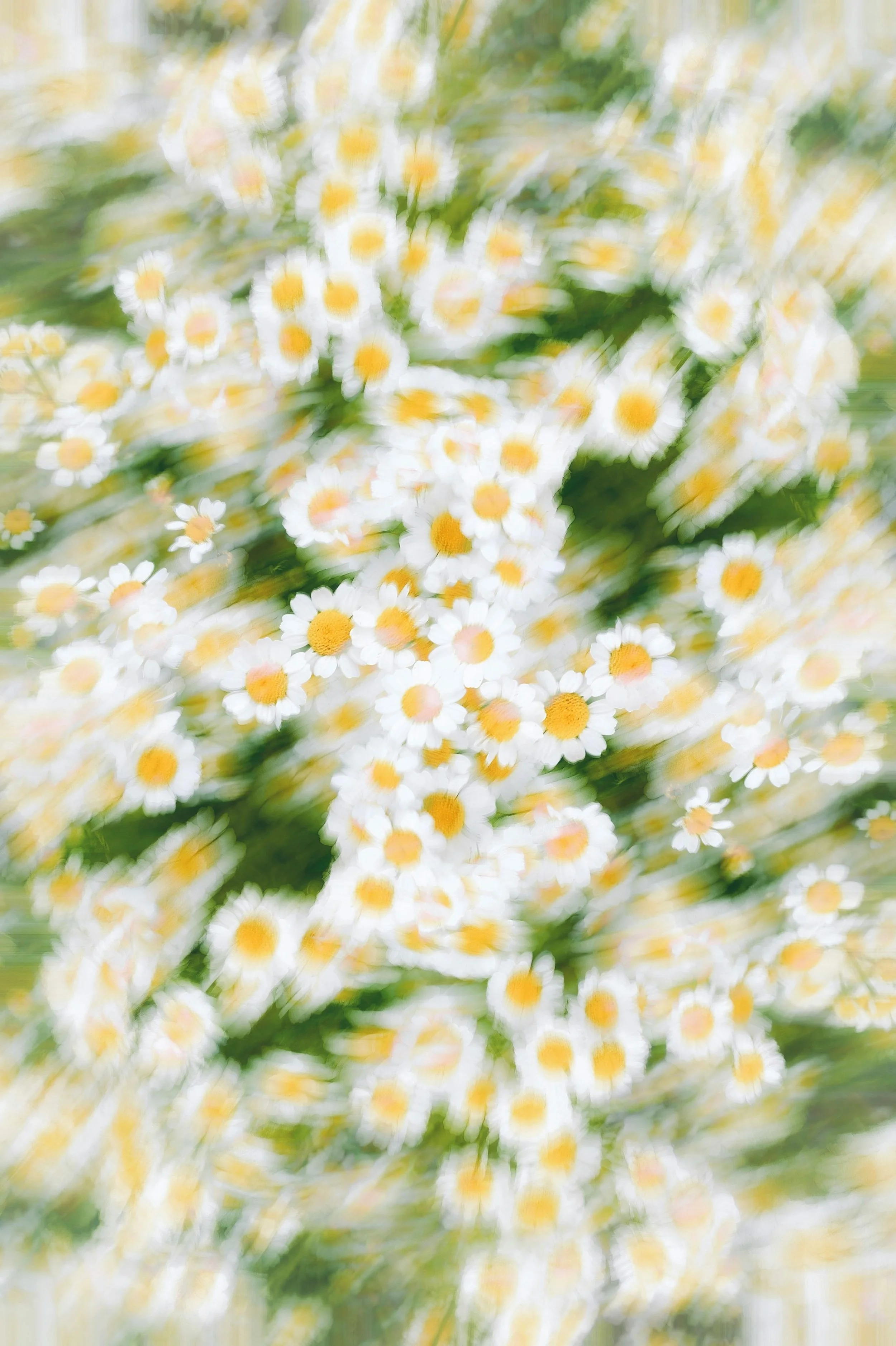
An herbal infusion is simply the process of steeping plant material in hot water to extract beneficial compounds. This method has been used for thousands of years across cultures and traditions. In fact, many herbal teas people drink every day are technically infusions.
For beginners, one of the easiest and most forgiving herbs to start with is chamomile.
Chamomile flowers are gentle, widely available, and well known for their calming properties. Traditionally, chamomile infusions have been used to support relaxation, ease digestion, and promote restful sleep. Because of its mild nature, chamomile is often recommended as one of the safest herbs for those beginning to explore herbal preparations.
What You Need
• 1 tablespoon dried chamomile flowers
• 1 cup hot water
• A mug or heat safe cup
• A lid or small plate to cover the mug
How to Prepare the Infusion
Place the dried chamomile flowers into your mug.
Pour hot water over the herbs.
Cover the mug with a lid or small plate.
Allow the herbs to steep for about 10 minutes.
Strain the flowers and enjoy the infusion warm.
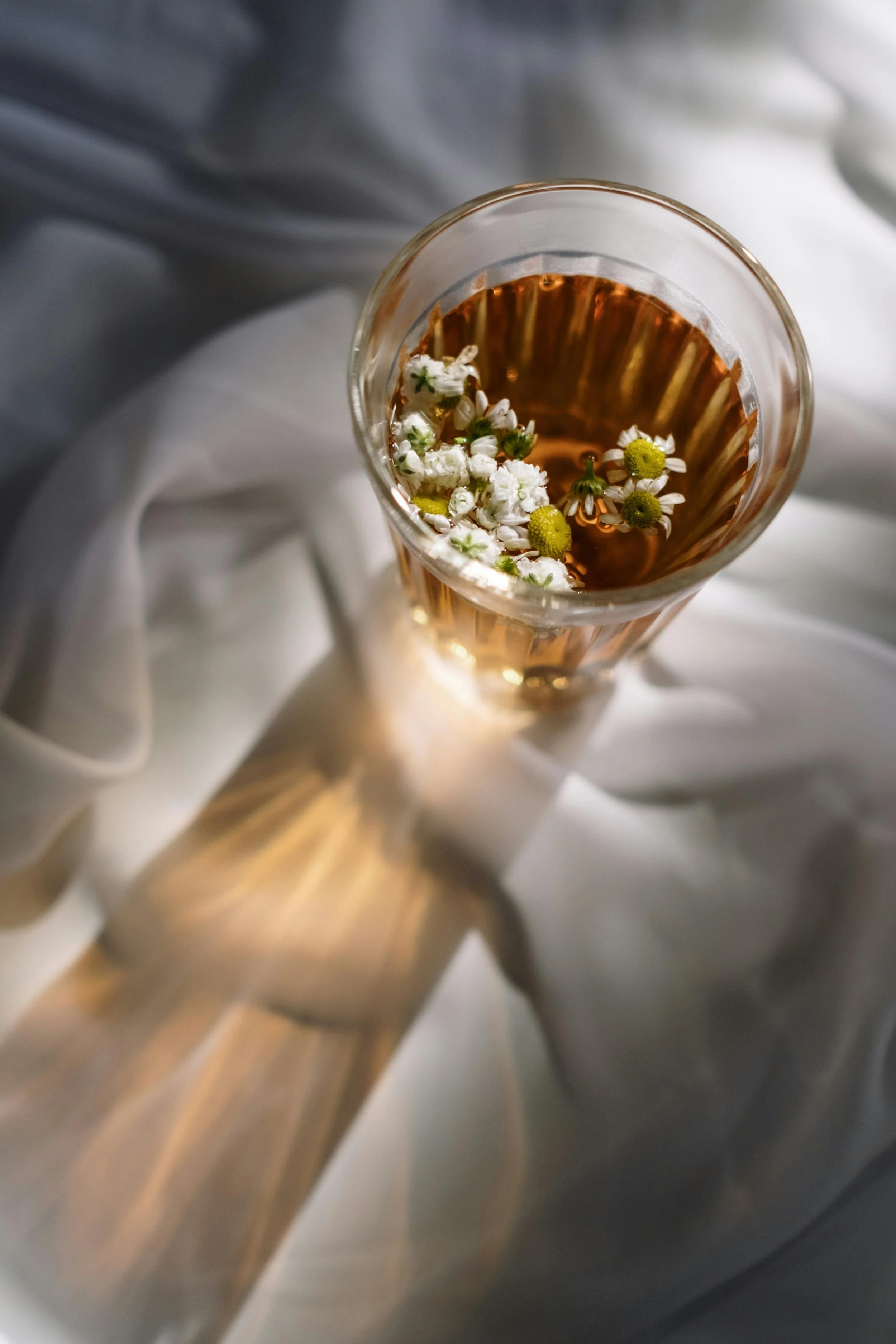
Covering the cup while the herbs steep is an important but often overlooked step. Many aromatic compounds found in herbs are volatile oils that can evaporate with steam. Covering the infusion helps preserve these beneficial compounds in the liquid.
The result is a golden, lightly floral tea that has been used in herbal traditions around the world.
Why Infusions Work
When herbs are steeped in hot water, heat helps break down plant cell walls and release water soluble compounds. These include flavonoids, polyphenols, and other plant chemicals that contribute to the herb’s effects in the body.
Chamomile contains compounds such as apigenin, a plant flavonoid studied for its calming properties and interaction with receptors in the nervous system.
This simple preparation method is one of the oldest forms of herbal medicine.
Beginning Your Herbal Practice
Making an herbal infusion is less about perfection and more about observation. Notice the color of the water as it changes, the aroma released from the plant, and the subtle flavor that develops as the herb steeps. Working with herbs can be as simple as learning to prepare a cup of tea with intention and awareness. For many people, this small act becomes the beginning of a deeper relationship with plants and the natural world. And sometimes, the most powerful preparations are also the simplest.
