
The Women Who Keep the Dead Alive
Photography by Meruyert Gonullu
On Memorial Day, ancestral memory, and why grief has always had female hands
Memorial Day arrives each year with its familiar national choreography: flags placed in rows, folded lawn chairs, highway traffic, sales advertisements, family cookouts, social posts thanking the fallen, and the annual declaration that summer has unofficially begun. Publicly, it is a day of remembrance. In practice, remembrance is often brief, ceremonial, and quickly absorbed into leisure. We nod toward the dead and then continue moving.
But memory has never been that efficient.
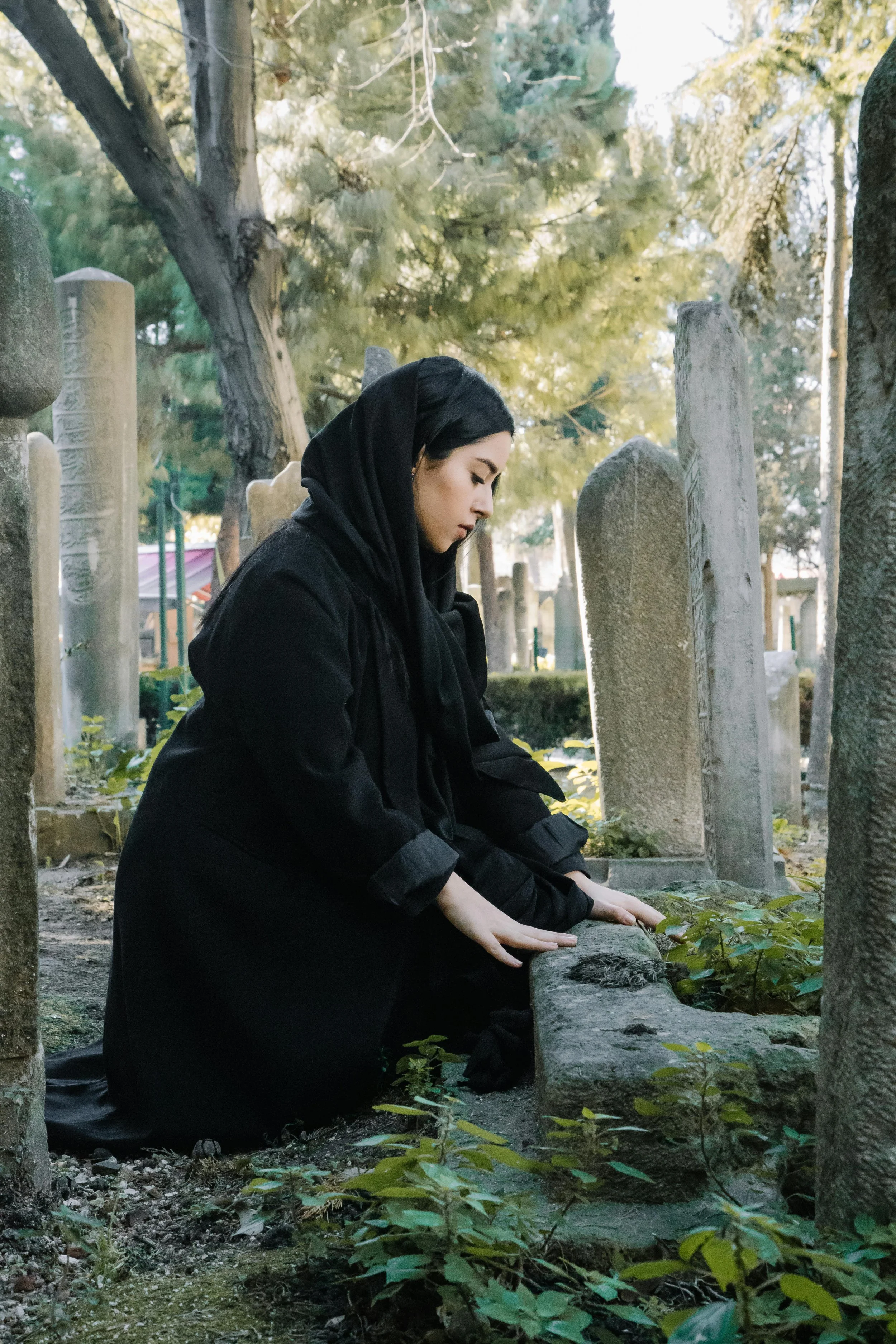
The dead do not leave according to the national calendar, and grief does not observe federal holidays. Remembrance is not something performed once a year and neatly concluded by sunset. It is daily, domestic, repetitive, and often invisible. Someone keeps photographs in drawers. Someone remembers the exact date of a father’s death twenty years later. Someone continues making a grandmother’s bread recipe because no one else knows how. Someone saves letters, names the babies after ancestors, waters the cemetery flowers, retells the stories at dinner, and notices when everyone else has stopped saying the names aloud.
More often than not, that someone is a woman.
Across cultures, women have long functioned as the archivists of the departed. Long before remembrance became nationalized into monuments and military observances, it lived in smaller places: kitchens, family Bibles, boxes of documents, folded obituaries, tucked-away handkerchiefs, inherited jewelry, framed portraits, recipes written in fading handwriting, and oral stories repeated enough times to resist erasure. The labor of keeping the dead present has historically belonged not to institutions, but to households, and households have traditionally relied on women to preserve continuity.
This is a form of work modern culture rarely names.
We speak often about emotional labor, domestic labor, maternal labor, and caregiving, but there is another category women quietly perform: memorial labor. The maintenance of family memory. The refusal to allow people to vanish simply because time has moved forward. Women remember birthdays of the deceased. Women know who is buried where. Women preserve the stories attached to old objects. Women carry the uncomfortable task of reminding the living that there were lives before them and losses beneath them.
This can look practical, but it is also profoundly spiritual.
To remember someone consistently is to resist the cultural pressure toward disappearance. In many folk traditions, to speak the names of the dead is itself a ritual act. Ancestor altars, prayer candles, grave offerings, annual meals, saint days, death anniversaries, photographs near entryways, heirloom objects displayed in domestic corners - all are physical manifestations of the same human instinct: we do not want our dead reduced to absence. We want relationship, even after the body is gone.
Women have often been the ones tasked with maintaining that relationship.
Part of this may be social conditioning. Women are taught to preserve family cohesion, to know birthdays, to maintain kinship, to become custodians of sentiment. But some of it feels older than conditioning. Women tend to understand, often intuitively, that a family without memory becomes unmoored. Once stories disappear, people disappear twice. Once names are no longer spoken, lineage becomes abstract. Once grief is rushed, the dead become administratively complete but emotionally unfinished.
This is why many women live with the dead in ways others do not always recognize.
They hear their mother in their own voice while cooking. They keep a father’s watch in a drawer they still open. They know which chair no one sits in. They save voicemails. They preserve recipes stained with oil and flour. They carry guilt over donating old clothes. They remember anniversaries no one else mentions. They feel responsible for continuing conversations that technically ended years ago. To outsiders, these can look like habits of sentimentality. In truth, they are habits of continuity.
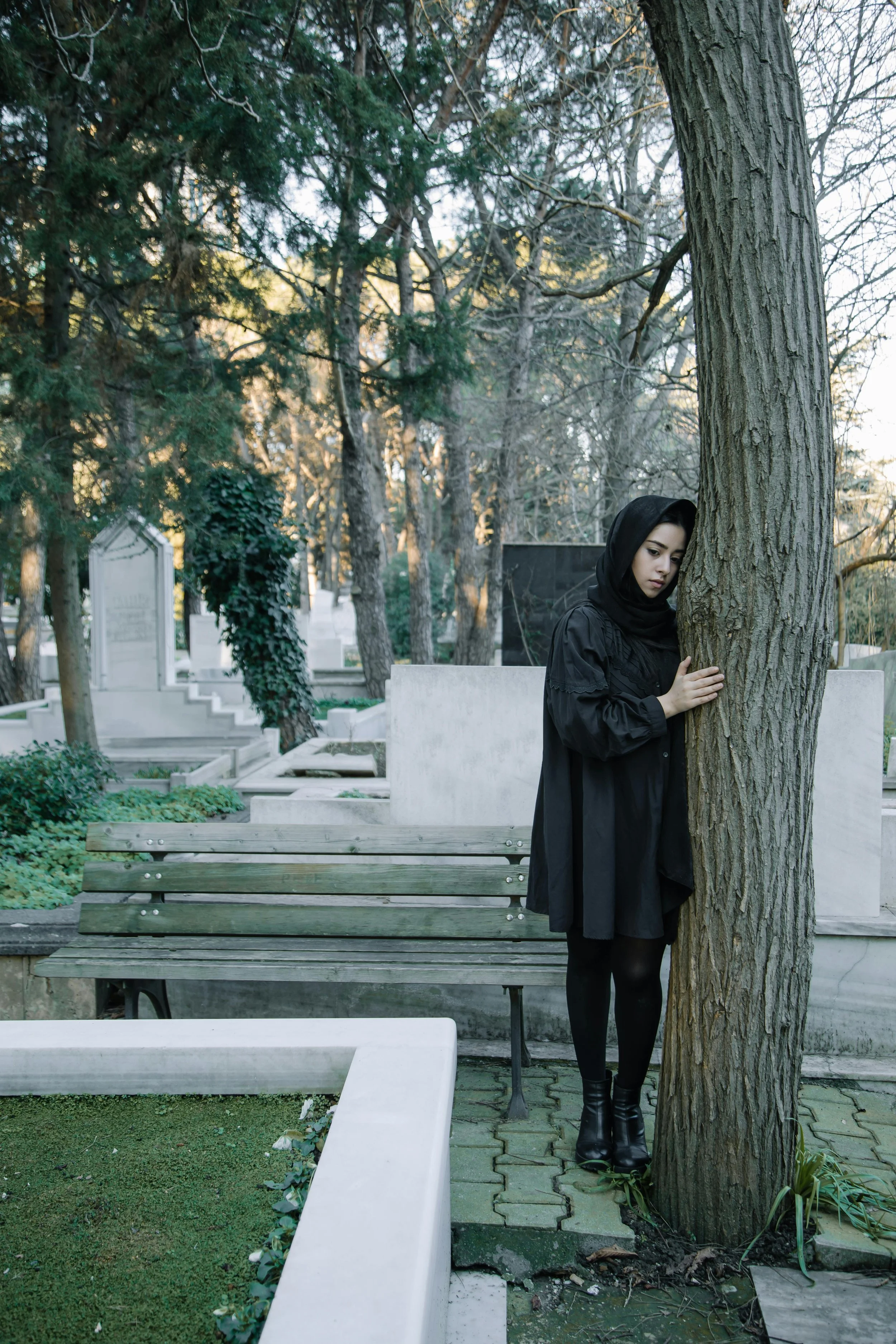
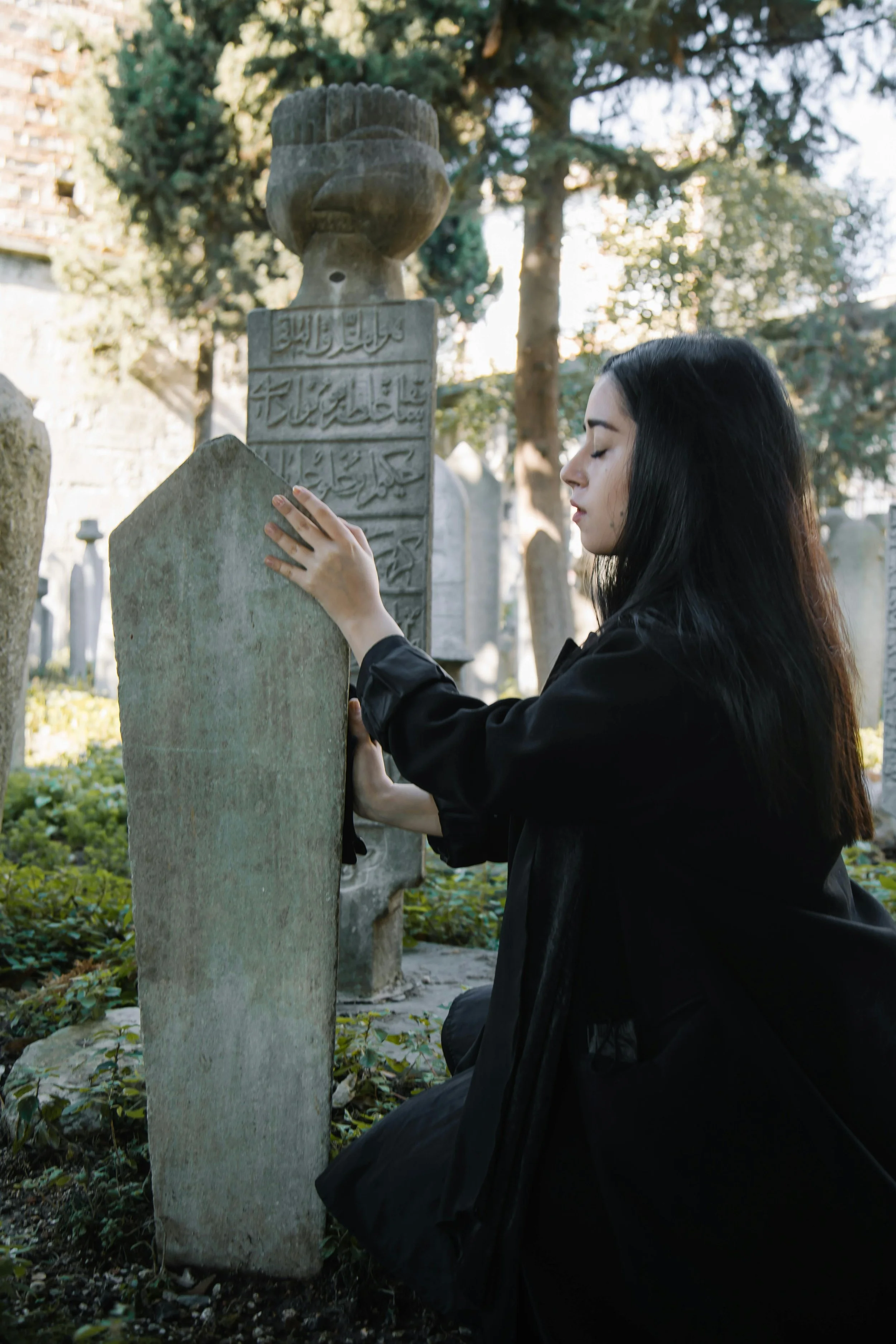
The modern world has become deeply uncomfortable with prolonged remembrance. We are encouraged to heal quickly, declutter efficiently, move on gracefully, and treat grief as a phase with a socially acceptable expiration date. But grief has never functioned according to productivity standards, and ancestral memory certainly does not. The dead linger in houses, in language, in genetic habits, in inherited fears, in recipes, in gardens, in facial expressions, in nervous systems, and in family stories told so often they begin sounding mythological.
Anyone who has ever walked into an older woman’s home understands this instinctively. The dead are there. Not in a theatrical haunted-house sense, but in framed sepia photographs, china that belonged to someone gone, linens preserved for no practical reason, military portraits, prayer cards, old rosaries, perfume bottles, cedar chests, recipes, and names that continue surfacing in conversation as though their owners have only just left the room. Women know how to build domestic space around visible and invisible occupants alike.
This is where Memorial Day becomes more interesting than patriotism alone.
Yes, it is a day to honor those lost in military service. But it also reveals a broader national discomfort with remembering at all. We prefer symbolic gestures to sustained relationship. We like wreaths because wreaths end. We like ceremonies because ceremonies conclude. We like designated holidays because they allow us to contain grief inside a manageable window.
Private grief is rarely so obedient. Someone still keeps the medals in a drawer. Someone still rereads the letters. Someone still remembers who never came home.
And in countless families, that private continuation of memory rests with women who understand that forgetting is not healing. Forgetting is simply a second burial.
Perhaps that is why so many spiritual traditions place women close to the threshold between the living and the dead. Women wash bodies. Women tend graves. Women prepare memorial meals. Women light candles. Women preserve stories. Women speak to photographs when no one is watching. Women know that death changes form, but it does not end relationship as cleanly as modern life would prefer.
The dead remain where they are remembered.
This Memorial Day, while public language asks us to pause for remembrance, it may be worth acknowledging who has always performed remembrance long after the flags come down and the holiday ends.
The women who keep the drawers of photographs. The women who know the recipes. The women who tend the graves. The women who keep speaking names. The women who understand that memory, too, is a household task.
And perhaps one of the holiest ones.