

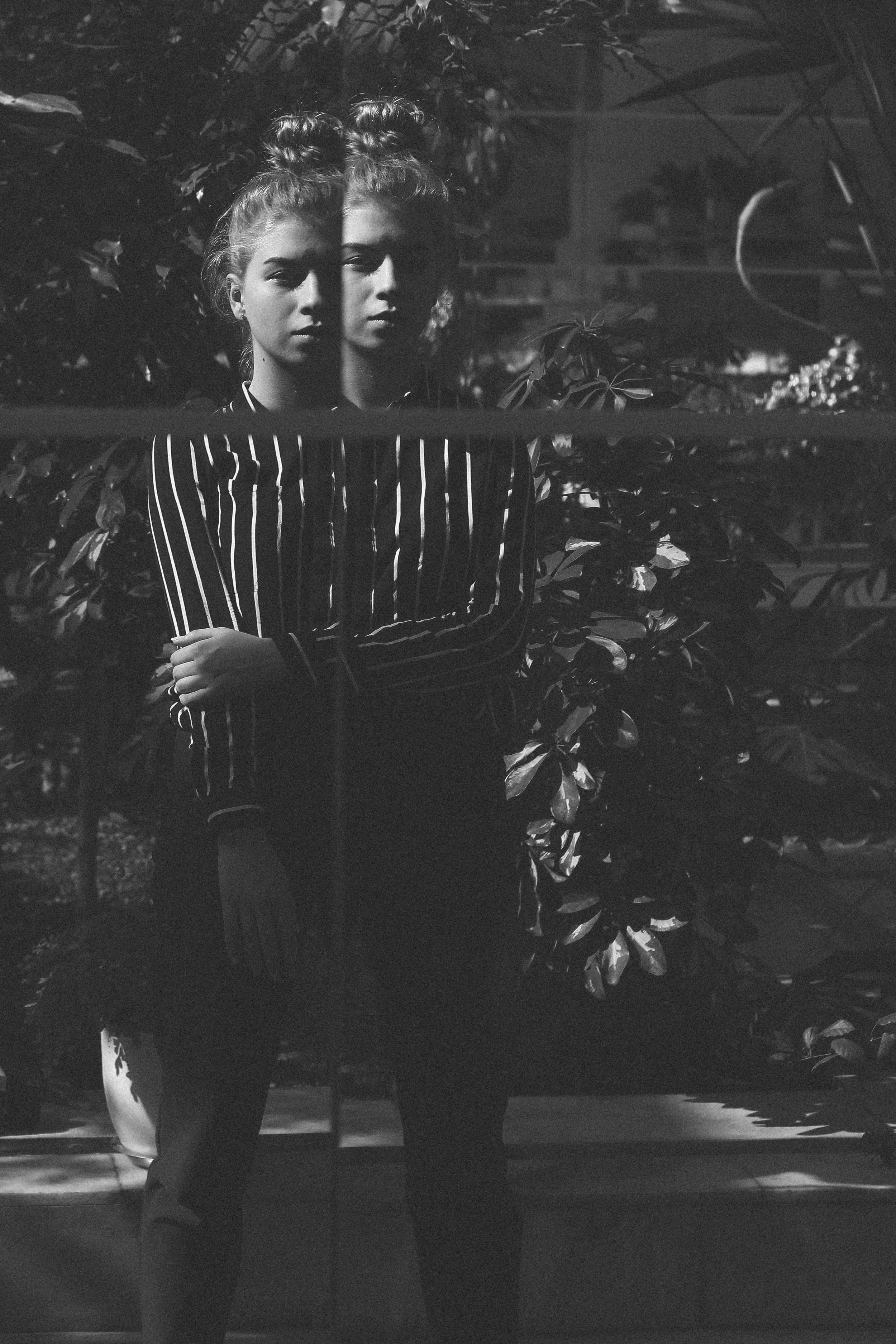
ESSAY NO. 3 | I Am No Longer Interested in Being Easy to Understand
There is a peculiar comfort in being understood. Not deeply understood, necessarily, but categorized correctly. People like to know what kind of person they are dealing with. We do it almost automatically. She is traditional. She is liberal. She is religious. She is spiritual. She is rational. She is emotional. She is ambitious. She is maternal. She is difficult. She is sweet. She is the kind of woman who would do that. She is not the kind of woman who would do this. Categories are efficient. Human beings are not.
For much of my life, I thought consistency was evidence of authenticity. If I believed something strongly, I should continue believing it. If I presented myself one way, behaving differently later risked making me look contradictory. Changing my mind required an explanation, preferably one persuasive enough to prove that the new version of me had not betrayed the old one. There was an invisible pressure to make all the pieces fit. Increasingly, I am less interested in doing that.

ESSAY NO. 2 | The Women We Were Before We Became Useful
There is a particular kind of freedom in watching a little girl love something before she learns to explain why it matters. She draws horses badly and hangs them on the refrigerator. She collects rocks that have no monetary value. She changes clothes four times because each outfit belongs to a different imaginary world. She sings before anyone tells her whether she has a good voice. She dances before she knows what her body looks like from across the room. She writes stories before anyone asks who would publish them. She makes things because making them delights her. She wants things because wanting them is enough. Then, somewhere between girlhood and womanhood, usefulness enters the room.

ESSAY NO. 1 | I Do Not Want to Become My Best Self
There is always another version of me waiting somewhere in the distance. She wakes earlier. She drinks more water. She exercises consistently, answers messages on time, reads instead of scrolling, finishes everything she starts and has somehow developed the sort of morning routine that requires both a journal and an aesthetically pleasing glass of lemon water. She is emotionally regulated but never emotionally unavailable. She has boundaries without becoming difficult, ambition without becoming exhausted and confidence without ever appearing arrogant. She is financially responsible, physically healthy, intellectually curious, spiritually grounded and apparently capable of keeping every drawer in her house organized. I have spent an unreasonable amount of my adult life trying to catch this woman. Increasingly, however, I find myself wondering whether I actually want to.

Daughters of the Unwritten, Episode III: Inherited Silence by Giulia Costantini
In Episode III of Daughters of the Unwritten, Giulia Costantini explores how women's knowledge survived through silence, memory, and inheritance. Moving beyond written archives, she examines the gestures, warnings, rituals, and unspoken traditions that carried ancestral wisdom across generations.

Daughters of the Unwritten: Episode II Marginal Geographies by Giulia Costantini
In Episode II of Daughters of the Unwritten, Giulia Costantini explores the rural landscapes, folk traditions, and ancestral knowledge systems that existed beyond institutional authority. From Southern Italian folklore to the enduring wisdom of marginalized communities, Marginal Geographies examines how place itself became a keeper of memory, ritual, and resistance.

The Women Who Keep the Dead Alive
Memorial Day arrives each year with its familiar national choreography: flags placed in rows, folded lawn chairs, highway traffic, sales advertisements, family cookouts, social posts thanking the fallen, and the annual declaration that summer has unofficially begun. Publicly, it is a day of remembrance. In practice, remembrance is often brief, ceremonial, and quickly absorbed into leisure. We nod toward the dead and then continue moving.