

ROOT SCIENCE | Before the Frost: What Autumn Harvesting Does to the Plants We Preserve
There is something deceptively romantic about the image of an autumn herb harvest: baskets filled with berries, bundles of herbs hanging from rafters, roots drying beside a fire, glass bottles slowly darkening with infusions. We have inherited these images as part of the visual language of herbalism, folk medicine and, increasingly, Mabon. Yet for much of human history, gathering plants before winter was considerably less aesthetic. Autumn meant that the landscape was beginning to close. Whatever would be needed during the colder months had to be gathered, preserved or found elsewhere. Food was dried, fermented, salted and stored. Useful plants were processed while they were still available. The harvest was not merely a celebration of abundance. It was preparation for its disappearance.
Photography by Денис Ладика
Long before dried herbs arrived in glass jars, the weeks surrounding the autumn harvest were a practical race against cold, decay and scarcity. But there was another process taking place inside the plants themselves. As daylight shortened and fruits ripened, plant chemistry was changing too.
There is something deceptively romantic about the image of an autumn herb harvest: baskets filled with berries, bundles of herbs hanging from rafters, roots drying beside a fire, glass bottles slowly darkening with infusions. We have inherited these images as part of the visual language of herbalism, folk medicine and, increasingly, Mabon. Yet for much of human history, gathering plants before winter was considerably less aesthetic. Autumn meant that the landscape was beginning to close. Whatever would be needed during the colder months had to be gathered, preserved or found elsewhere. Food was dried, fermented, salted and stored. Useful plants were processed while they were still available. The harvest was not merely a celebration of abundance. It was preparation for its disappearance.
Modern plant science gives us another reason to pay attention to the timing of that harvest. A medicinal or aromatic plant is not chemically identical throughout the year. Its composition changes as it grows, flowers, fruits, produces seed and prepares for dormancy. Temperature, rainfall, light, soil conditions, plant age, time of day and developmental stage can all influence the concentration of secondary metabolites, the enormous category of compounds plants produce that includes many alkaloids, phenolics, terpenes and other substances humans have historically valued for flavor, fragrance, preservation or medicinal use. A 2024 scientific review of harvest timing in medicinal and aromatic plants describes this optimal collection period as the plant's balsamic time, the stage at which the compounds being sought may reach a desirable concentration. The important part is that there is no universal rule saying "autumn herbs are strongest." The ideal harvest depends on the species, the plant part and the compound being sought. (PubMed)
That distinction is particularly important for Root Science because herbal folklore often simplifies plant harvesting into memorable rules: gather flowers here, leaves there, roots in autumn, berries after frost. Some of these practices reflect generations of useful observation, but plants are not interchangeable chemical containers. A root harvested in October is not automatically more medicinal simply because it was pulled from cold soil. Scientific research shows that plant chemistry responds dynamically to developmental and environmental conditions, and the concentration of one desirable compound may increase while another decreases. Even within a single species, genetics and growing conditions can produce substantial differences. (PubMed)
Autumn does, however, produce an obvious botanical transition. Perennial plants begin preparing for winter dormancy as their above-ground growth slows. Annuals complete their life cycles through seed. Fruits that began as spring flowers reach maturity. This makes September's landscape fundamentally different from June's. The herbal harvest changes with it. Instead of being dominated by tender leaves and flowers, the late-season basket increasingly contains fruits, berries, seeds and, depending upon the plant, roots.
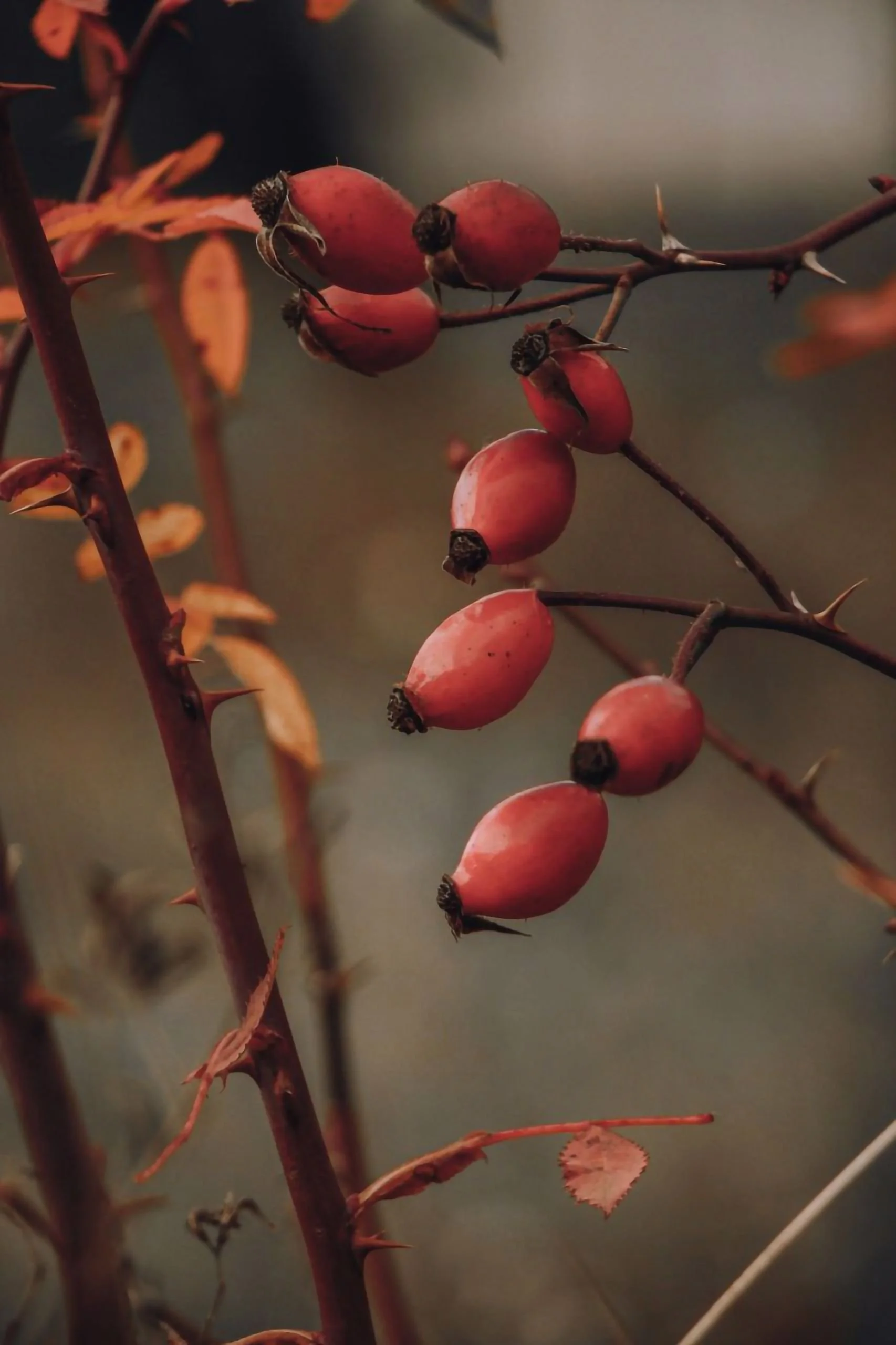
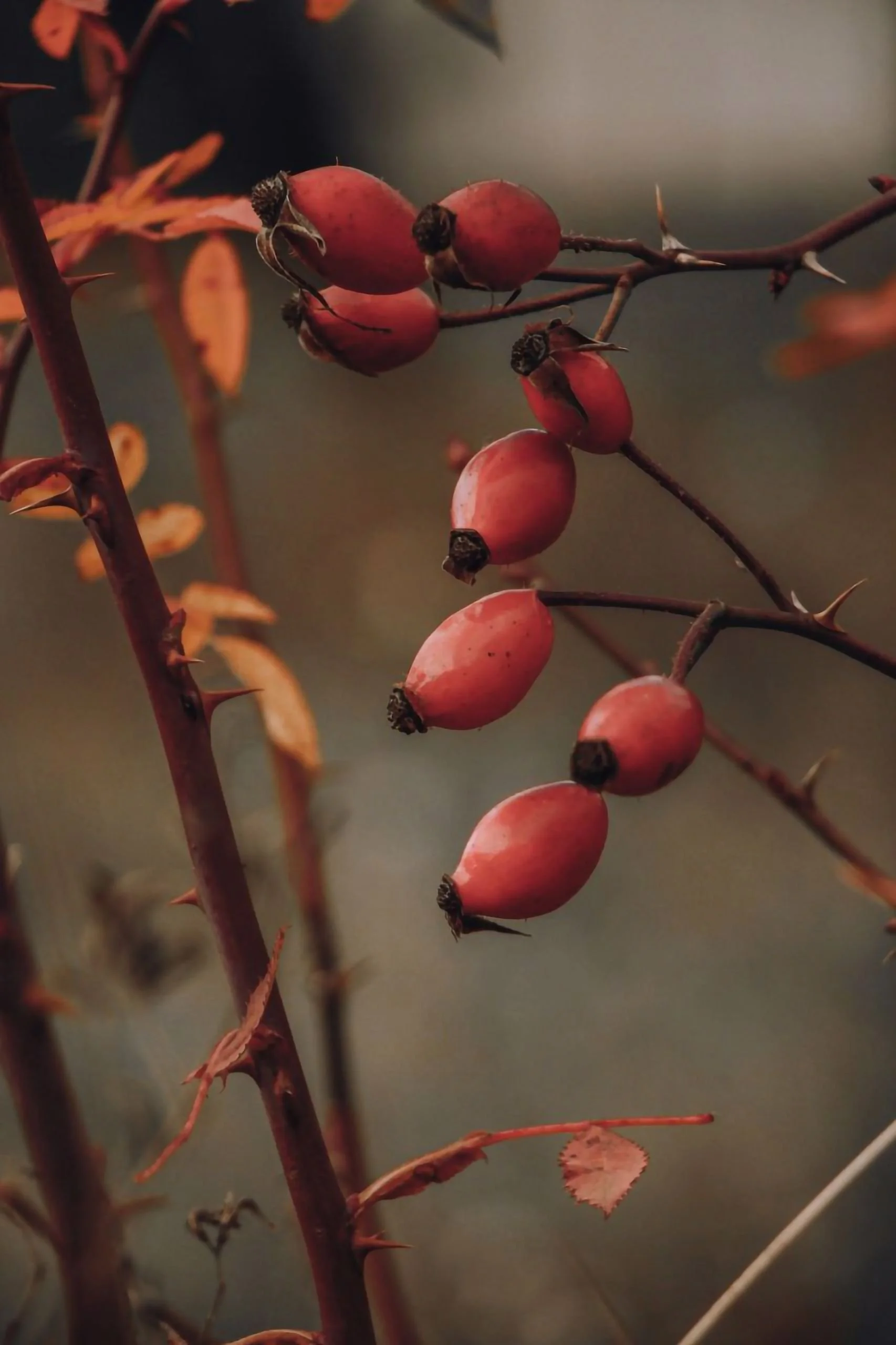
Rose hips are a beautiful example. The rose we associate with early summer eventually produces a completely different botanical object. After successful pollination and flowering, the swollen structure we call the rose hip develops, containing the true fruits and seeds within it. By late summer and autumn, many rose species produce hips ranging from orange to deep red. Humans have eaten and processed them into teas, syrups, jams and other preparations for generations. Modern chemical analysis explains some of their appeal: rose hips contain vitamin C alongside carotenoids, phenolic acids, flavonoids and tocopherols, although their concentrations vary dramatically among species, cultivars, growing conditions, maturity and processing methods. (PubMed Central (PMC))
Even the familiar instruction to gather rose hips at a particular stage demonstrates why simple herbal rules deserve scrutiny. Ripening can increase some compounds while decreasing others. Research summarized in scientific reviews has found that carotenoid concentrations may rise later in the season, while vitamin C can decline with advancing ripeness in some Rosa species. Frost has likewise been associated with increases in some carotenoids while reducing ascorbic acid and certain quercetin glycosides. (PubMed Central (PMC)) There is therefore no single moment when a rose hip becomes chemically "best." Best for what? Color? Flavor? Vitamin C? Carotenoids? Preservation? The answer changes depending upon what the harvester actually wants.
This is where traditional harvesting begins to look less like superstition and more like a long-running experiment between humans and landscapes. People did not need chromatography to notice that a berry tasted sweeter later in the season, that one root was more pungent at a particular time of year or that certain plants stored better when gathered under particular conditions. They observed, remembered and passed those observations along. Some traditions undoubtedly accumulated mythology around them. Others may have preserved remarkably practical ecological knowledge. Modern science allows us to return to those traditions and ask a better question than whether they were simply "right" or "wrong": What was actually happening in the plant?
Elderberry offers another useful example. The dark fruits of Sambucus nigra have a long history in European folk preparations and continue to appear in modern syrups, extracts and supplements. The berries contain anthocyanins responsible for their deep purple-black color, along with other phenolic compounds. Yet the existence of phytochemicals does not automatically validate every medicinal claim attached to the plant. The U.S. National Center for Complementary and Integrative Health notes that only a small number of human studies have evaluated elderberry for colds, influenza and other upper respiratory infections. Preliminary research suggests possible symptom relief, but the evidence remains limited, and claims extending beyond that evidence should be treated cautiously. (NCCIH) This is exactly the boundary Root Science should occupy: respecting the historical use of a plant without turning tradition into clinical proof.
Autumn harvesting also forces us to confront something contemporary herbal culture sometimes forgets: preservation was part of the medicine. Gathering a useful plant meant very little if it rotted before January. Drying reduced available moisture and therefore helped slow microbial growth and enzymatic deterioration. Alcohol extraction allowed some plant constituents to be preserved in solution. Vinegar, honey, fermentation and concentrated syrups provided other preservation strategies depending on the ingredient and culture. Roots could be cleaned, sliced and dried. Fruits became preserves. Seeds could remain viable or edible long after leaves had disappeared from the landscape. The household herbal cupboard was, in this sense, partly a technology of seasonality.
The chemistry did not stop once the plant was harvested. Drying temperature, exposure to oxygen and light, storage duration and processing can alter plant compounds significantly. Rose hips again demonstrate this beautifully. Vitamin C is notoriously vulnerable to degradation, and research on rose hips shows that processing and storage conditions influence the amount retained in the finished material. Phenolic compounds can also change during processing. The dried plant in a jar is therefore not chemically identical to the fresh plant that entered the basket. (PubMed Central (PMC))
This matters when we romanticize ancestral herbal practice. The people preserving plants for winter were working within constraints we have largely escaped. They did not have refrigerators filled with produce transported across continents in January. A September harvest represented a narrowing window of access. Preservation was a negotiation with time.
Mabon, as a modern Pagan observance of the autumn equinox, provides an appropriate moment to reconsider this aspect of harvest. We often talk about the equinox symbolically through balance, gratitude, abundance and the coming darkness. Root Science can add another layer. The seasonal shift is not merely something humans observe. Plants are responding to it physiologically. Fruits are ripening. Seeds are maturing. Leaves will soon senesce. Perennial species are preparing for dormancy. The landscape is reorganizing itself for winter whether or not anyone builds an altar to acknowledge it.
There is something worth recovering in paying attention to those changes. Not because we need to reproduce every historical herbal practice, and certainly not because every plant growing beside a road belongs in a home apothecary. Accurate identification matters. Toxic plants can resemble edible ones. Some herbs interact with medications, pregnancy and medical conditions. Ethical harvesting matters too. A plant being "natural" does not make unlimited wild collection harmless, particularly when roots are harvested, because removing the root frequently removes the entire individual plant.
Perhaps the more useful inheritance is the habit of observation itself. What is fruiting where you live? Which plants have gone to seed? Which leaves are beginning to change? What disappeared from the landscape since midsummer? What has suddenly appeared? These questions restore something that grocery stores have made easy to forget: plants live according to seasons even when our shopping habits do not.
The autumn herb harvest was never simply a collection of magical correspondences. It was botany practiced through necessity. It was knowing when something appeared, which part could be used, how quickly it spoiled and what had to be done to carry a portion of September into February.
Modern science has given us names for some of the processes earlier harvesters could only observe. We can measure secondary metabolites. We can analyze carotenoids and phenolic acids. We can watch carbon move between primary growth and secondary metabolism. In at least some medicinal roots, researchers have documented substantial chemical changes across the growing season, demonstrating just how dynamic the underground portions of plants can be as temperature and developmental stage change. (PubMed Central (PMC))
But the underlying lesson remains remarkably old.
The plant changes.
The season changes.
And if you intend to preserve something from one for use in another, timing matters.
Sources & Further Reading
Hazrati, Saeid, Zahra Mousavi, and Silvana Nicola. “Harvest Time Optimization for Medicinal and Aromatic Plant Secondary Metabolites.” Plant Physiology and Biochemistry, 2024. The review examines how plant development, genetics, environmental conditions, season and harvest timing influence secondary-metabolite quantity and quality. (PubMed)
Farcas, Anca C., et al. “Recent Advances and Insights into the Bioactive Properties and Applications of Rosa canina L. and Its By-Products.” 2024. This review examines rose-hip phenolics, carotenoids, tocopherols, vitamins and the effects of maturity and processing on their composition. (PubMed Central (PMC))
Mármol, Ines, et al. “Therapeutic Applications of Rose Hips from Different Rosa Species.” International Journal of Molecular Sciences, 2017. The review discusses variation in rose-hip phytochemistry according to ripeness, geography, ecological conditions and processing. (PubMed Central (PMC))
National Center for Complementary and Integrative Health. “Elderberry.” NCCIH summarizes current evidence for Sambucus nigra, including its history in folk medicine, limited human research and the need for caution around unsupported health claims. (NCCIH)
ROOT SCIENCE | The Apple at the Equinox: Medicine, Folklore and the Science Inside Autumn’s Most Symbolic Fruit
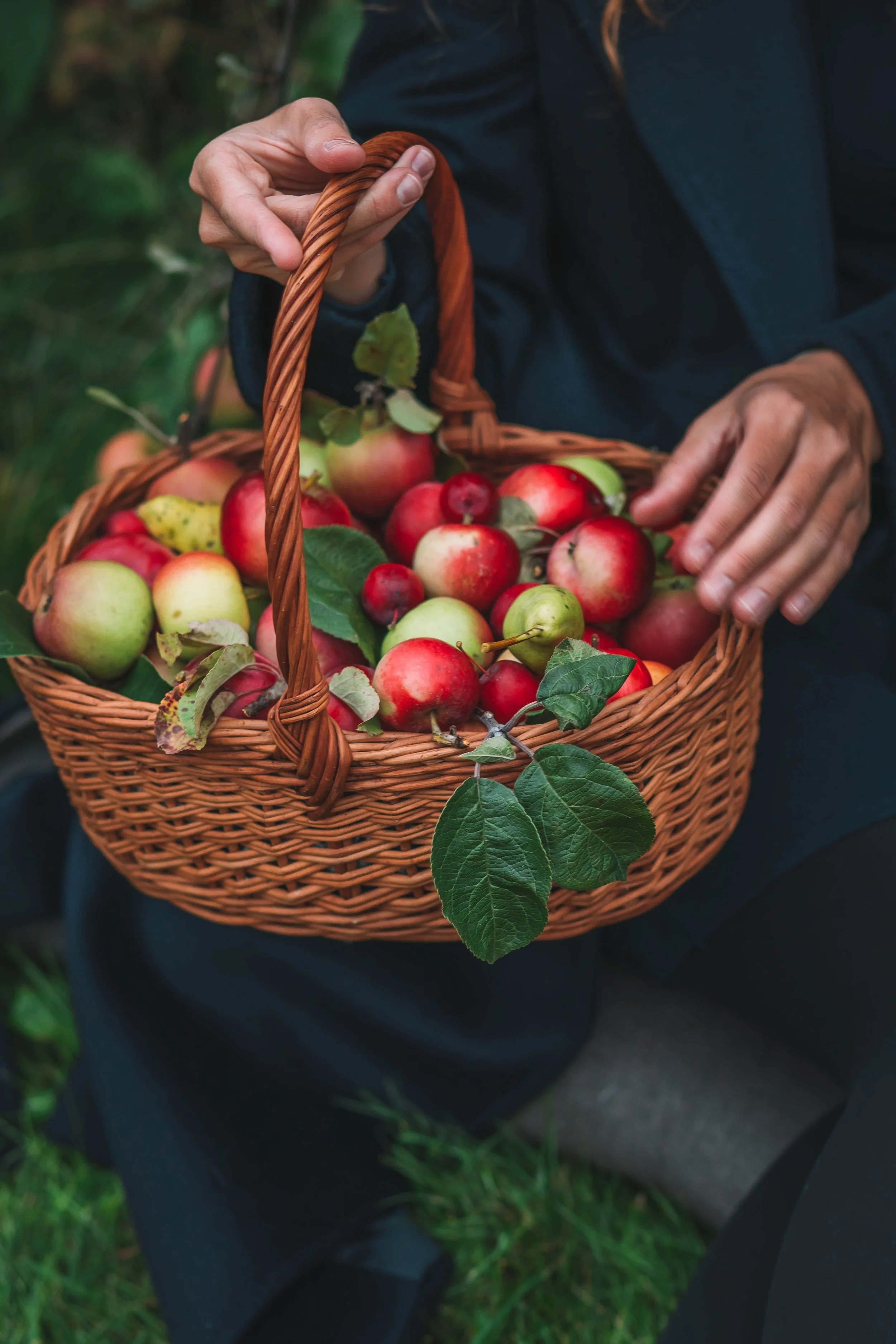
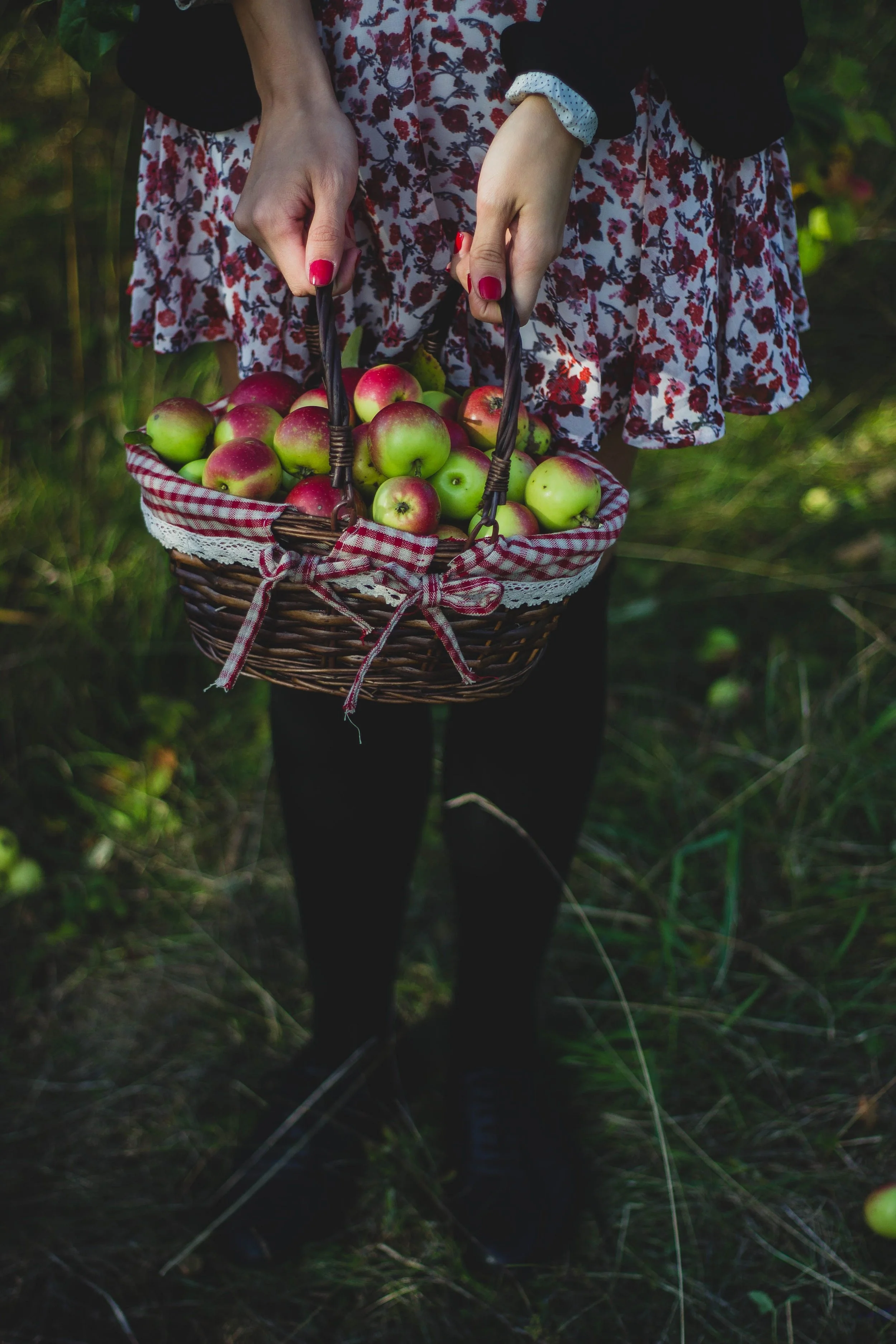
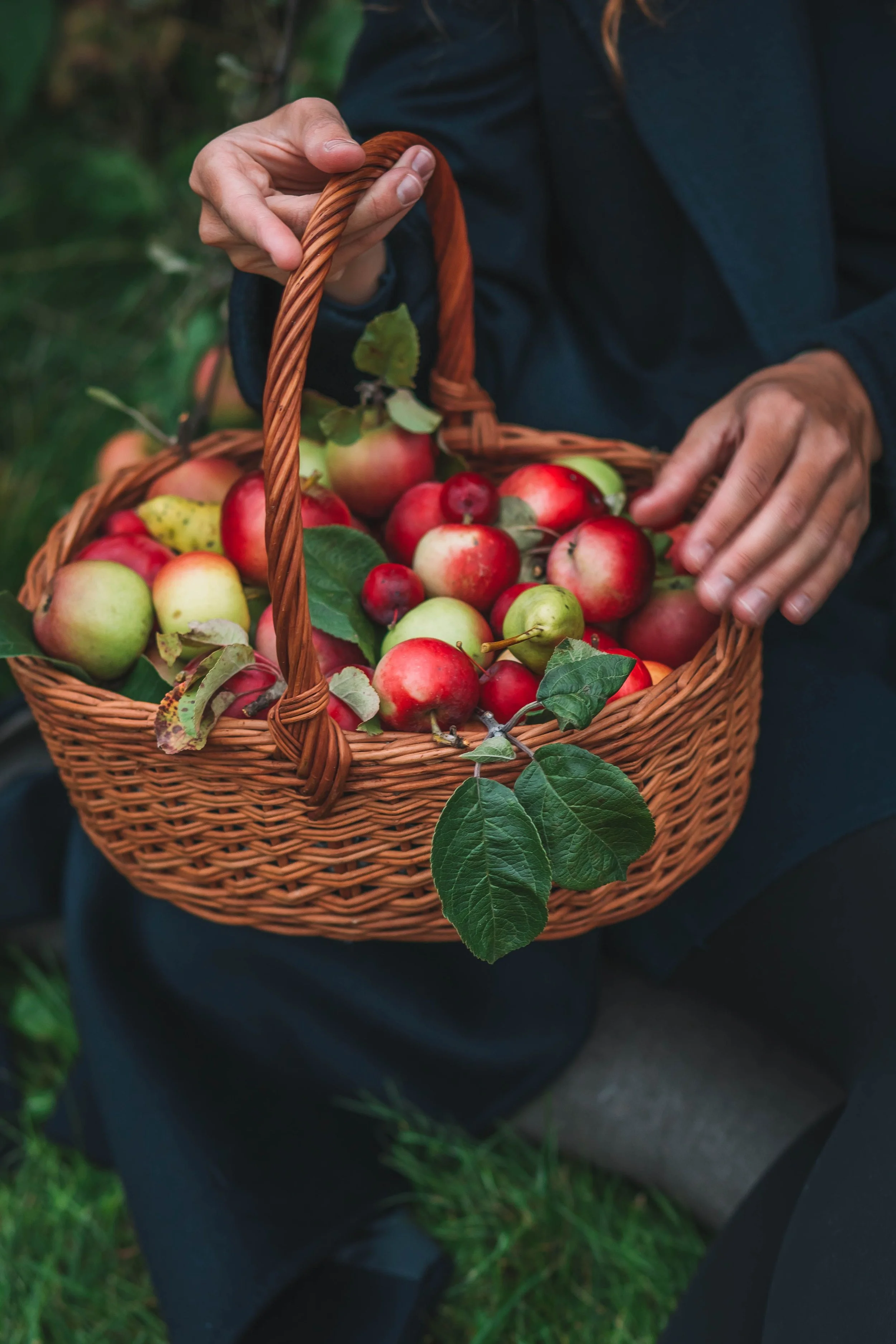
By September, the apple begins appearing everywhere. It sits in wooden baskets at farm stands, disappears beneath cinnamon and pastry, ferments quietly into cider and becomes part of the visual vocabulary of autumn almost without explanation. For those who observe Mabon, the modern Pagan celebration associated with the autumn equinox, apples have also become familiar symbols of harvest, abundance and the changing season. Yet the apple's relationship with autumn is considerably older and more interesting than any contemporary seasonal altar. Beneath the mythology is a remarkable botanical history involving migration, hybridization, preservation and human selection. Inside the fruit itself is another story, one written in fiber, acids, sugars and polyphenols. The apple is simultaneously ordinary and ancient, which may be exactly why human beings have spent so much time turning it into a symbol.
Photography by Valeria Boltneva
Before the apple became an emblem of autumn, it traveled thousands of miles with human beings, crossed with wild species, fed communities through winter and accumulated centuries of mythology along the way.
By September, the apple begins appearing everywhere. It sits in wooden baskets at farm stands, disappears beneath cinnamon and pastry, ferments quietly into cider and becomes part of the visual vocabulary of autumn almost without explanation. For those who observe Mabon, the modern Pagan celebration associated with the autumn equinox, apples have also become familiar symbols of harvest, abundance and the changing season. Yet the apple's relationship with autumn is considerably older and more interesting than any contemporary seasonal altar. Beneath the mythology is a remarkable botanical history involving migration, hybridization, preservation and human selection. Inside the fruit itself is another story, one written in fiber, acids, sugars and polyphenols. The apple is simultaneously ordinary and ancient, which may be exactly why human beings have spent so much time turning it into a symbol.
The domestic apple, Malus domestica, did not originate in the orchards of Western Europe with which it later became so closely associated. Genetic research points primarily toward the wild apple Malus sieversii of Central Asia, particularly the Tian Shan region of modern Kazakhstan, as its principal progenitor. The story becomes more complicated as the apple moves west. Genetic studies show that domesticated apples hybridized with other wild Malus species along their journey, with the European crabapple, Malus sylvestris, making an especially significant secondary contribution to the genome of modern cultivated apples. Rather than a single moment when humans transformed a wild plant into a domestic one, the apple appears to have emerged through a long relationship among trees, landscapes, trade routes and people. (PubMed Central (PMC))
That history makes the apple an unusually appropriate fruit for a harvest season concerned with transition. Its domestication was itself a journey. Apples and their seeds moved across Eurasia, while desirable trees could eventually be maintained through grafting rather than relying upon genetically unpredictable seedlings. Researchers studying apple evolution describe hybridization and gene flow as central to the fruit we recognize today. The apple in a grocery store is therefore not simply the descendant of one ancient wild fruit. It carries genetic traces of encounters that occurred as apples moved through different regions and came into contact with other wild populations. (PubMed)
Long before refrigeration, however, the significance of an autumn apple was practical. A harvest was not simply an abundance to admire. It was food that had to be eaten, dried, stored, cooked or fermented before it spoiled. Archaeobotanical research suggests that humans gathered wild apples for millennia before the development of the modern cultivated apple, and drying small, tart fruits may have been one way of preserving and making them more palatable. Apple-based fermented drinks also have deep histories across Eurasia. (ScienceDirect) The autumn harvest therefore represented something much more serious than our modern appetite for seasonal aesthetics. What could be preserved in September and October could become part of what sustained a household when the landscape stopped producing so generously.
This is where Mabon benefits from a little historical clarification. The autumn equinox itself is ancient; human attention to harvest cycles is older still. Mabon as the name of a Pagan autumn-equinox festival is modern, however. The term was introduced into the modern Pagan Wheel of the Year in the twentieth century and references Mabon ap Modron from Welsh tradition. It should not be treated as the documented name of an ancient pan-European equinox festival. Modern Pagan practice has subsequently developed its own traditions around the equinox, often emphasizing harvest, thanksgiving, balance and preparation for the darker half of the year. (Wikipedia) Recognizing that modern history does not diminish the observance. It simply allows us to distinguish between historical agricultural practices, older folklore and traditions created within contemporary Paganism.
The apple fits comfortably among all three because human beings have been assigning meanings to it for an extraordinarily long time. Apples and apple-like fruits appear throughout European and Mediterranean stories connected with beauty, desire, knowledge, fertility, immortality and the otherworld. Over centuries, those stories have accumulated and overlapped so thoroughly that the apple has become one of those objects capable of carrying almost contradictory meanings. It can represent temptation and wisdom, mortality and immortality, sensuality and nourishment. That symbolic flexibility may partly come from the fruit itself. Cut an apple horizontally and the seed chambers often produce the familiar five-pointed shape that has acquired its own significance in modern magical imagery. Leave an apple untouched, however, and its meaning is much simpler: it is a fruit designed by evolution to make itself attractive enough to be eaten so that its lineage can continue.
The science inside that fruit is just as interesting as the folklore surrounding it. Apples contain soluble and insoluble dietary fiber, including pectin, along with numerous plant compounds broadly described as polyphenols. Researchers have identified compounds including quercetin glycosides, catechin, epicatechin, procyanidins, chlorogenic acid and phloridzin. Their concentrations vary according to cultivar, ripeness, storage, processing and which portion of the fruit is examined. Apple peel is particularly rich in several phenolic compounds; studies summarized in scientific reviews have found substantially greater concentrations of some phenolics and flavonoids in peel than flesh. (PubMed Central (PMC))
This is where Root Science requires a distinction between a plant containing biologically active compounds and a plant being medicine. Those statements are not interchangeable. Laboratory, animal, observational and human research has investigated possible relationships between apple consumption and cardiovascular, metabolic and other health outcomes, but individual phytochemicals should not be transformed into miracle claims simply because they demonstrate interesting biological activity under experimental conditions. An apple is a nutrient-containing whole food, not a pharmaceutical dose of quercetin. Scientific reviews themselves note questions surrounding bioavailability and how compounds behave within the human body, which is very different from observing their effects in a test tube. (PubMed Central (PMC))
Pectin offers another example of how traditional observation and modern science can meet without needing to become identical. Anyone who has made apple jelly understands something about apple chemistry even if they have never used the word polysaccharide. Pectin is a structural carbohydrate found in plant cell walls. Under the appropriate conditions of acidity, sugar and heat, it contributes to the gel structure that allows fruit preserves to set. Long before anyone could describe its molecular structure, cooks were already exploiting its properties. Preservation knowledge was empirical science practiced in kitchens: observe what happens, remember what works, repeat it at the next harvest.
Fermentation worked much the same way. Apples that could not remain fresh indefinitely could become cider, and microbial activity transformed their sugars into products capable of lasting differently than the original fruit. Drying removed enough water to slow spoilage. Cooking changed texture and flavor. Storage varieties were selected partly because some apples survived longer than others. Harvest culture was therefore filled with chemistry whether the people performing it used scientific terminology or not.
This practical knowledge complicates the romantic way we sometimes imagine historical harvest celebrations. The harvest was beautiful because abundance is beautiful, but it existed beside an approaching threat. Winter meant scarcity. A successful harvest created security; a failed one could create hunger. Gathering fruit was therefore simultaneously celebration and preparation. The baskets needed to become stores. The fruit needed to become preserves. What was ripe needed to be used before decay claimed it.
Perhaps this is where the apple becomes most meaningful at the equinox. Not because we need to invent an ancient universal doctrine surrounding it, but because the fruit itself already tells the story.
An apple tree spends the growing season turning sunlight, water and nutrients into leaves, wood, sugar and fruit. By autumn, what began months earlier as blossom has become something that can be gathered. The fruit contains both nourishment and seed, an ending and a beginning occupying the same small body. Humans have carried those fruits across continents, selected them, grafted them, fermented them, dried them, stored them, baked them and written them into stories. Modern science has simply given us another language through which to understand what generations before us already knew in more practical terms: the apple is worth preserving.
For Mabon, that may be enough.
The equinox does not need the apple to prove anything supernatural. Place one on the table and it already contains migration, agriculture, chemistry, memory and survival. Slice it open and you are looking at a fruit shaped by thousands of years of relationships between humans and the botanical world.
Eat it, preserve it, bake it or press it.
The harvest was never only symbolic.
It was how people prepared to survive what came next.
Sources & Further Reading
Cornille, Amandine, et al. “New Insight into the History of Domesticated Apple: Secondary Contribution of the European Wild Apple to the Genome of Cultivated Varieties.” PLOS Genetics, 2012. Genetic analysis of 839 accessions across Eurasia demonstrated the importance of Malus sieversii and substantial secondary contribution from the European wild apple, Malus sylvestris. (PLOS)
Read the study at PLOS Genetics
Cornille, Amandine, et al. “The Domestication and Evolutionary Ecology of Apples.” Trends in Genetics, 2014. A review of apple domestication, hybridization, gene flow and the evolutionary history of cultivated apples. (PubMed)
View the research at PubMed
Boyer, Jeanelle, and Rui Hai Liu. “Apple Phytochemicals and Their Health Benefits.” Nutrition Journal, 2004. A review of apple phytochemicals, including quercetin, catechin, chlorogenic acid and other phenolic compounds, as well as differences between peel and flesh. (PubMed Central (PMC))
Read the full review
Spengler, Robert N. “Origins of the Apple: The Role of Megafaunal Mutualism in the Domestication of Malus and Rosaceous Trees.” Frontiers in Plant Science, 2019. Examines the long relationship between humans, wild apples, dispersal and eventual domestication. (Frontiers)
Read the study at Frontiers
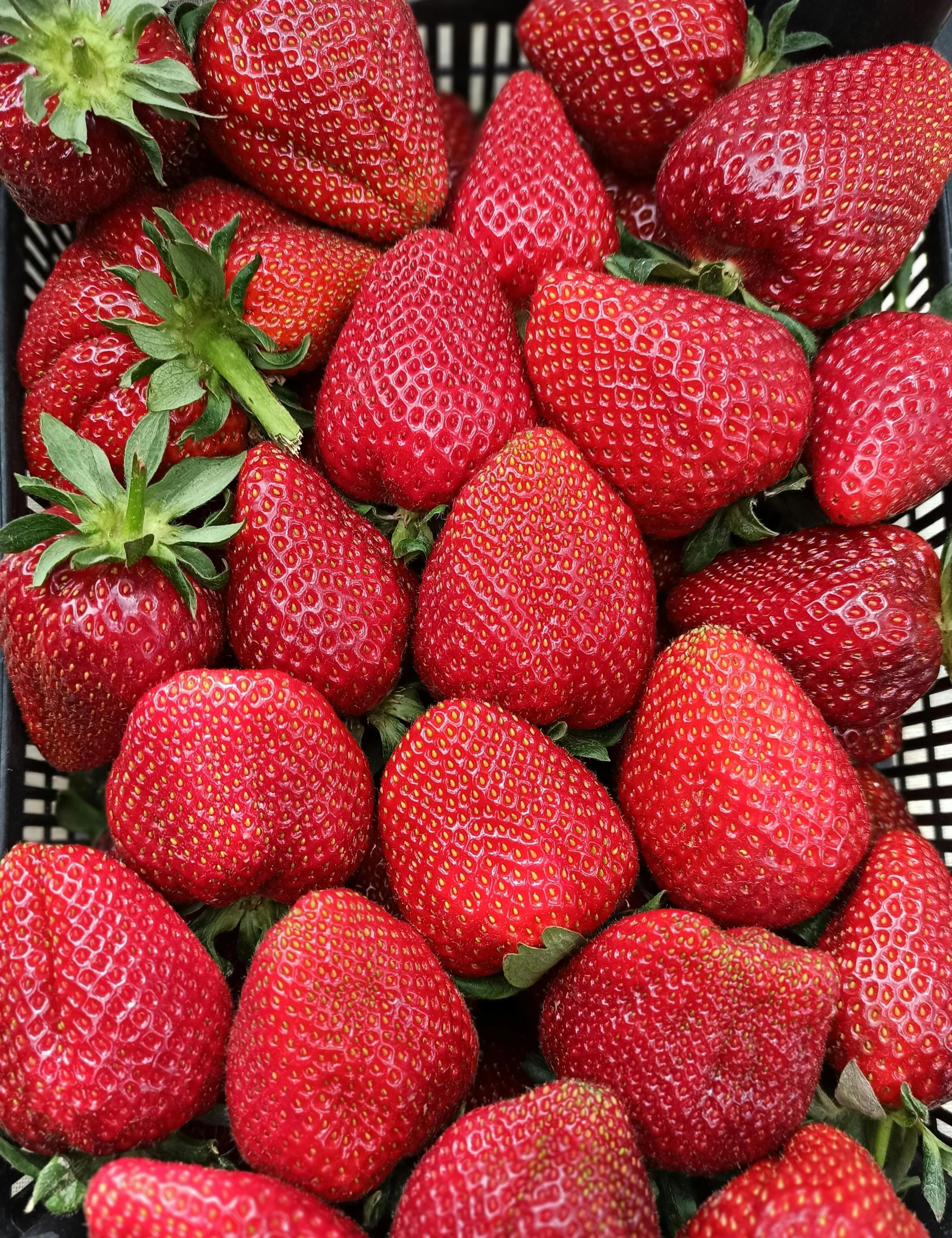
Why Your Body Craves Red Fruit in Late Spring: The Root Science of Strawberries, Blood Building, and Seasonal Repair
Late spring cravings for strawberries and red fruits may be more than preference — they may be the body’s seasonal blueprint for blood building, hydration, and nervous system repair.
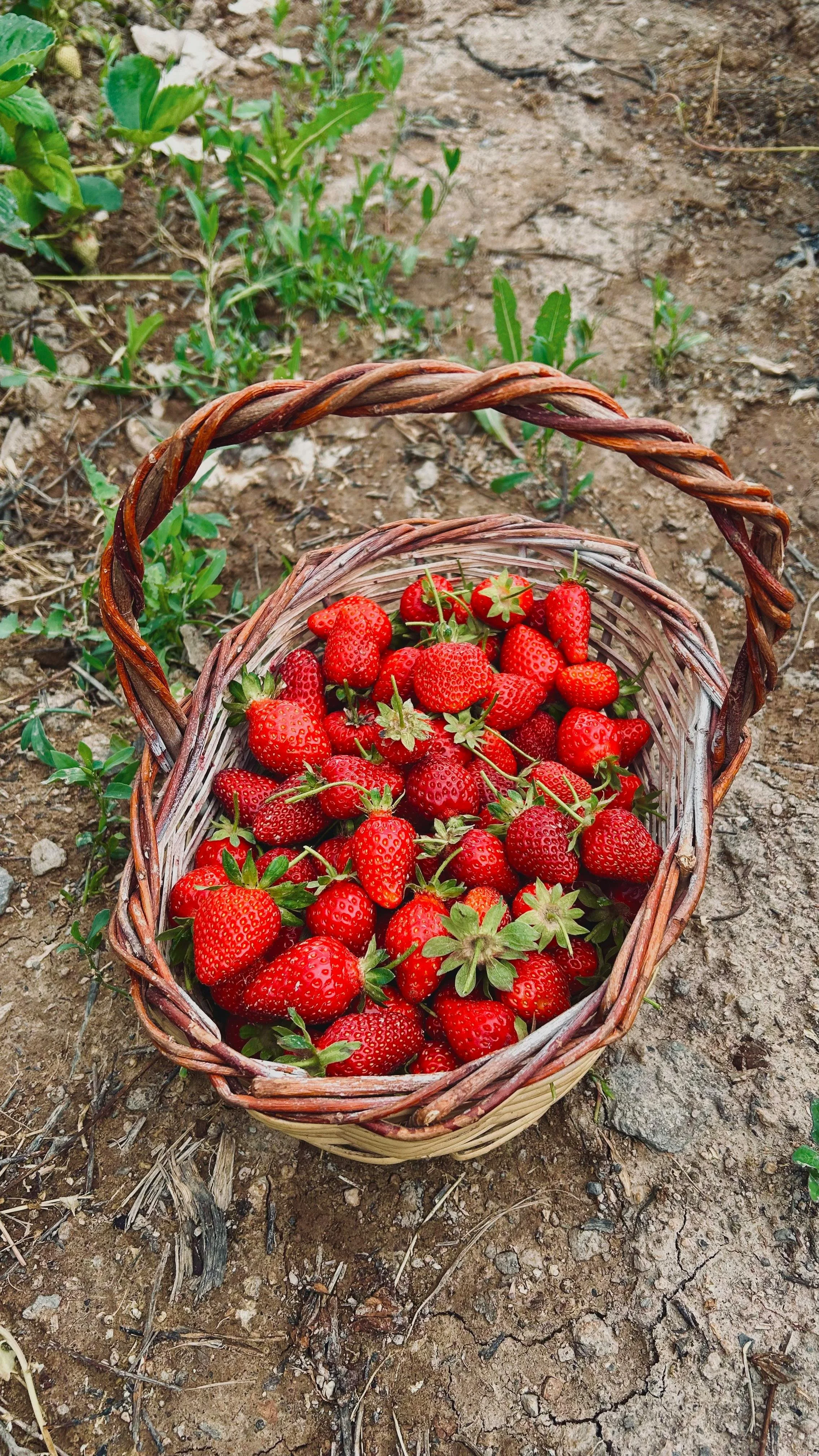
Every season teaches the body a different hunger.
Winter asks for fat, starch, heat, and sleep. Early spring asks for bitter greens and detoxification. But by late spring, something subtler begins to happen: the body starts reaching for color.
Red fruit. Tender herbs. Moisture-rich foods. Things that feel alive the moment they touch the tongue.
This is not random appetite. It is seasonal intelligence.
By the second half of May, many people report a distinct craving for strawberries, cherries, watermelon, hibiscus, pomegranate drinks, and lightly sweet fresh foods. While modern nutrition tends to dismiss these desires as preference, traditional herbal systems and emerging seasonal biology suggest something more practical is happening — the body is quietly trying to rebuild blood chemistry, cellular hydration, and nervous system vitality after months of cold-weather depletion.
Late spring is not merely floral.
It is reparative.
The Hidden Mineral Deficit of Winter
During winter, the human body naturally leans heavier into dense foods, reduced sun exposure, lower movement, and often increased stress hormone production. This creates a subtle but measurable pattern by spring:
sluggish circulation
lower iron uptake
lower vitamin C stores
connective tissue dryness
nervous system fatigue
inflammatory stagnation
By May, the body begins correcting.
And it often asks for foods rich in water, antioxidants, trace minerals, and blood-supportive pigments.
Enter red fruit.
Why Strawberries Matter More Than We Think
Strawberries are often framed as decorative — a garnish, a dessert fruit, something romantic and soft.
Biologically, they are anything but frivolous.
They contain:
high vitamin C for collagen rebuilding and iron absorption
manganese for connective tissue and metabolic repair
folate for cellular regeneration
anthocyanins and polyphenols for vascular protection
natural sugars that provide quick usable energy without the heaviness of winter starches
In simple terms: strawberries help wake tired tissue back up.
Their red coloration also mirrors a principle seen across many traditional medicinal systems — red foods frequently correspond with blood movement, circulation, and life-force replenishment.
This is why so many cultures historically associated spring berries with fertility, sensuality, and vitality.
The body feels what the chemistry is doing before the mind names it.
Seasonal Repair Is Also Nervous System Repair
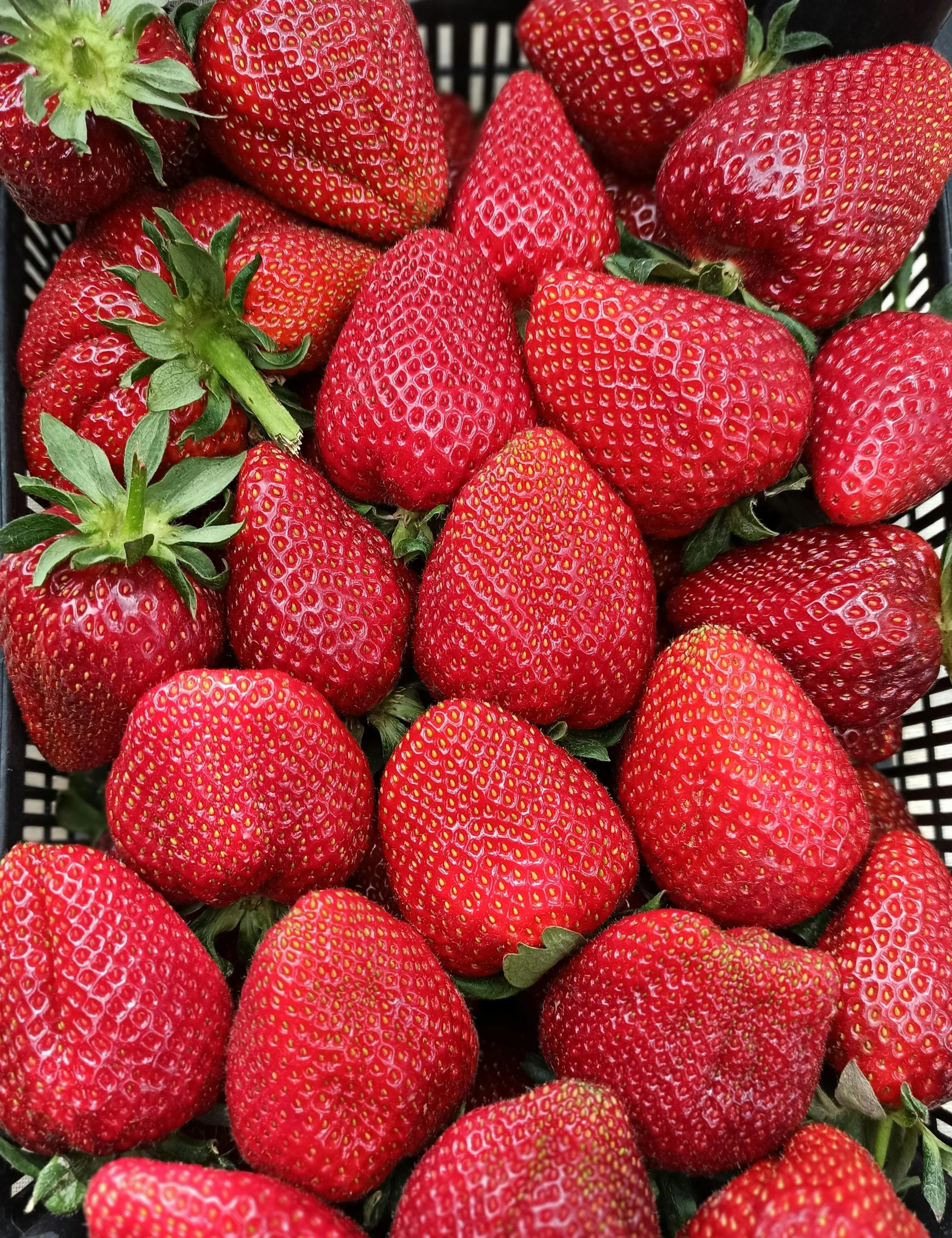
Late spring foods tend to be:
juicy
fragrant
colorful
easier to digest
naturally sweet
This matters because the nervous system does not heal efficiently under conditions of perceived scarcity.
After the constriction of winter, sensory abundance becomes part of the medicine.
Bright fruits signal safety.
Sweetness signals enoughness.
Freshness signals continuation.
There is a reason depression often begins to lift not in March, but closer to late May when the body has enough environmental proof that survival season is ending.
Food participates in that message.
Other Red and Pink Foods the Body Often Wants in May
Alongside strawberries, many people instinctively begin reaching for:
cherries
raspberries
hibiscus tea
rhubarb
watermelon
rose infusions
beet preparations
pomegranate
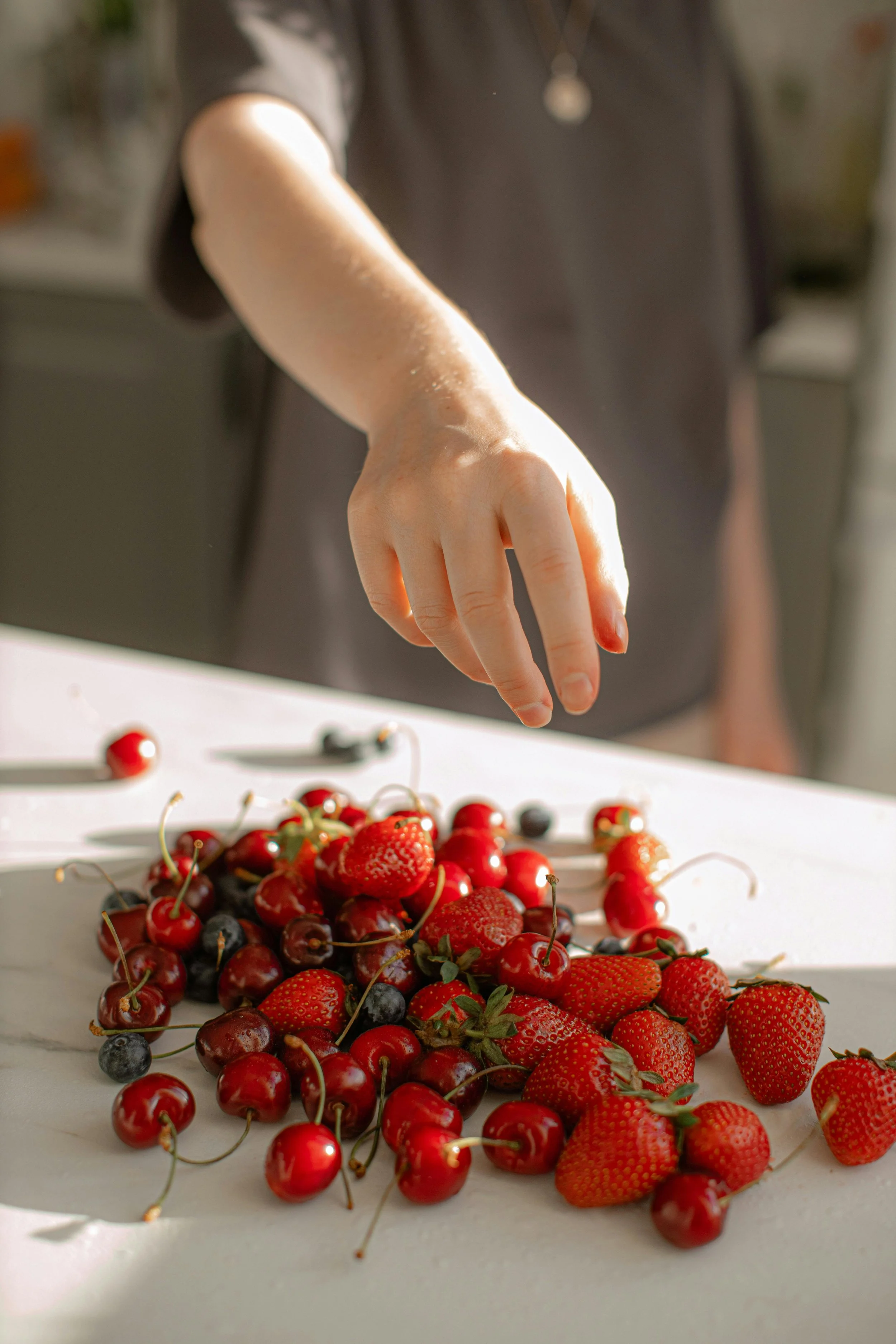
These all share overlapping functions:
hydration, blood support, circulation, and antioxidant repair.
Nature rarely produces abundance without purpose.
The Science of Scent: How Herbs Affect the Brain
Scent is one of the most powerful yet overlooked ways the body processes emotion and memory. This article explores how herbs like lavender, mint, rosemary, and citrus directly affect the brain through the limbic system. By examining the science behind aromatic compounds, we begin to understand why scent-based rituals feel so immediate and transformative. What has long been practiced intuitively is now being supported by neuroscience.
There is a reason scent is the first thing we reach for when something feels off. Before language, before logic, there is smell. It moves faster than thought, slipping past analysis and arriving directly in the body. A single inhale can calm you, awaken you, or return you to a memory you didn’t know you were holding.
This is not imagined. It is biological.
Unlike the other senses, scent does not take a long route through the brain. When you inhale, aromatic compounds travel through the nose and bind to receptors that send signals directly to the limbic system, the part of the brain responsible for emotion, memory, and instinct. This includes the amygdala, which processes emotional responses, and the hippocampus, which stores memory. This is why scent feels immediate. It does not ask permission. It simply arrives.
Herbs, in particular, carry compounds that interact with this system in distinct ways. What has long been used in ritual and tradition is now being understood through chemistry and neuroscience.
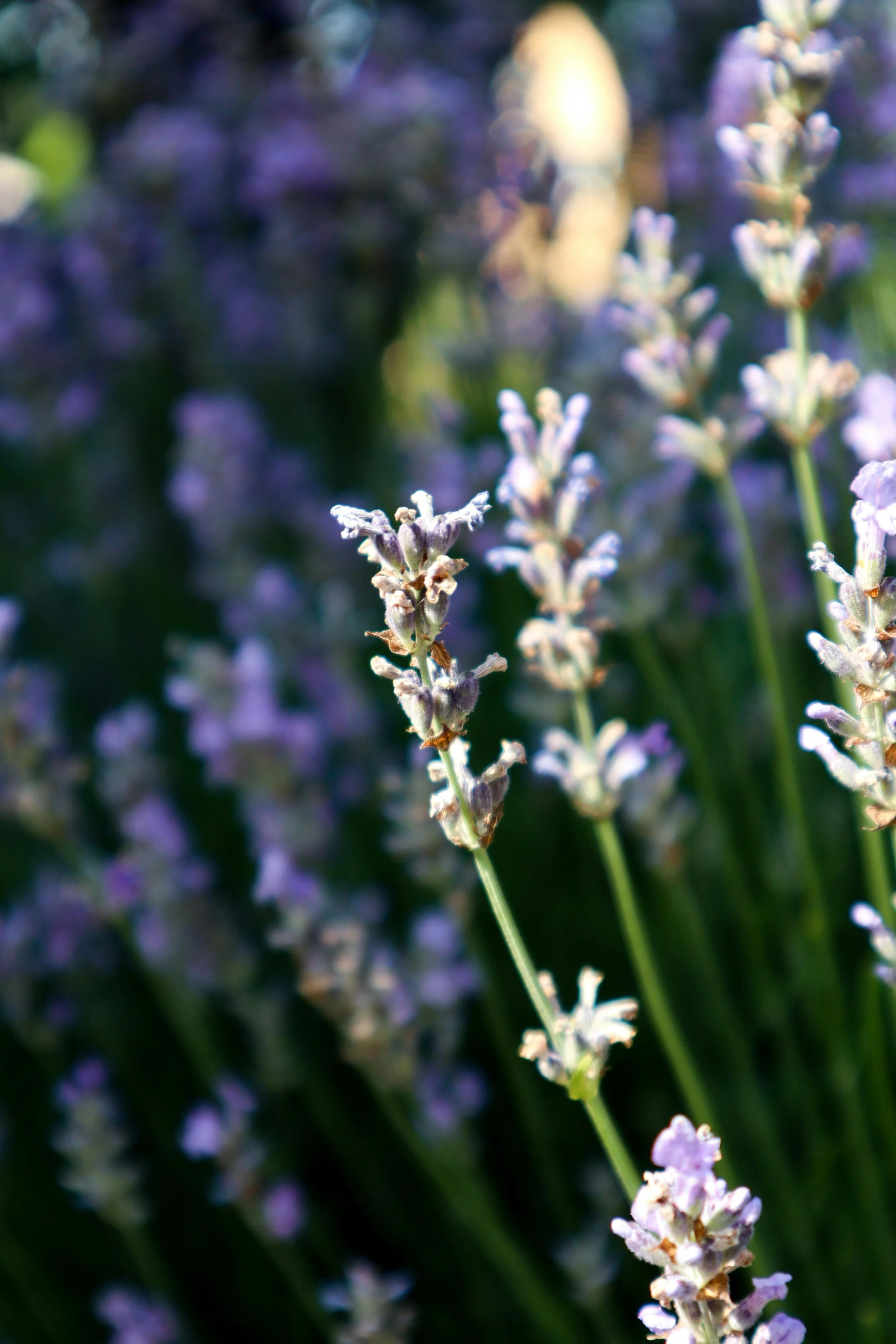
Lavender, for example, contains linalool, a compound shown to reduce activity in the nervous system. It lowers heart rate, eases anxiety, and encourages the body to shift out of a stress response. This is why it is used in both sleep medicine and spiritual cleansing. It does not just “relax” you. It signals safety to the body.
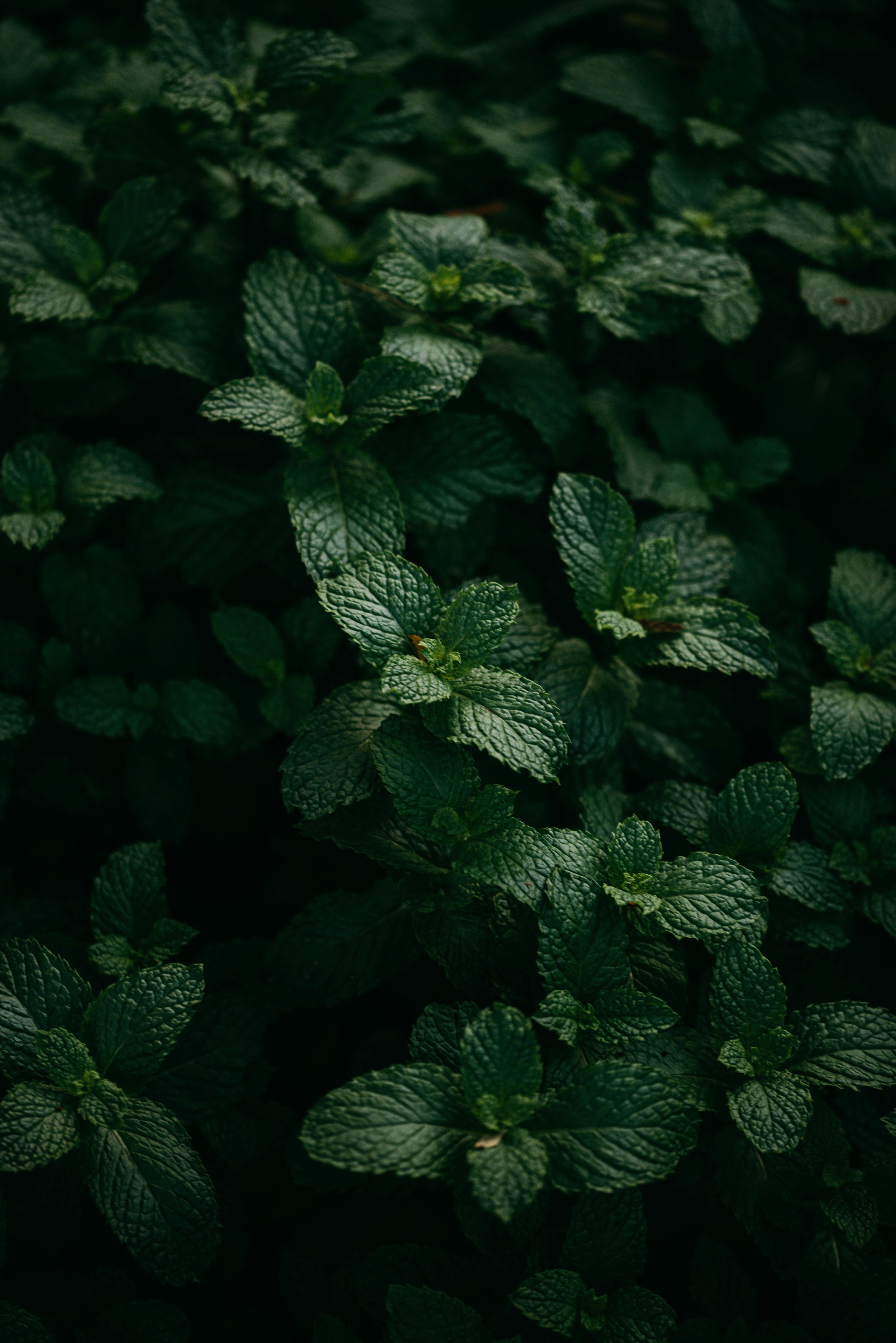
Mint, by contrast, stimulates. Its primary compound, menthol, activates cold receptors in the skin and airways, creating a sensation of alertness and clarity. It increases focus, sharpens attention, and brings the mind back into the present moment. Where lavender softens, mint awakens.
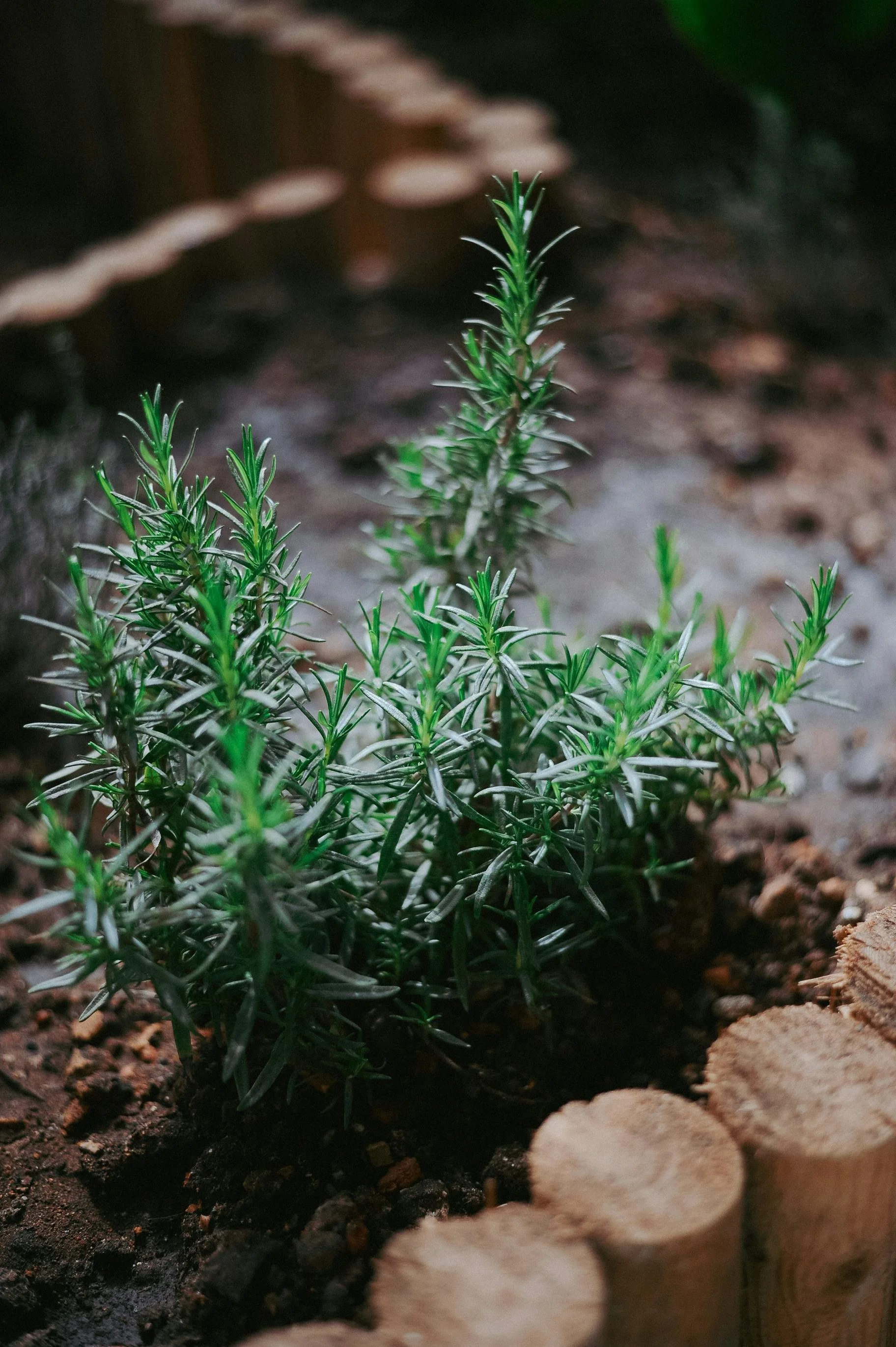
Rosemary has been studied for its effect on memory and cognition. Its compounds, including 1,8 cineole, are linked to improved concentration and mental performance. Historically associated with remembrance, its use in ritual aligns closely with its measurable effects on the brain.
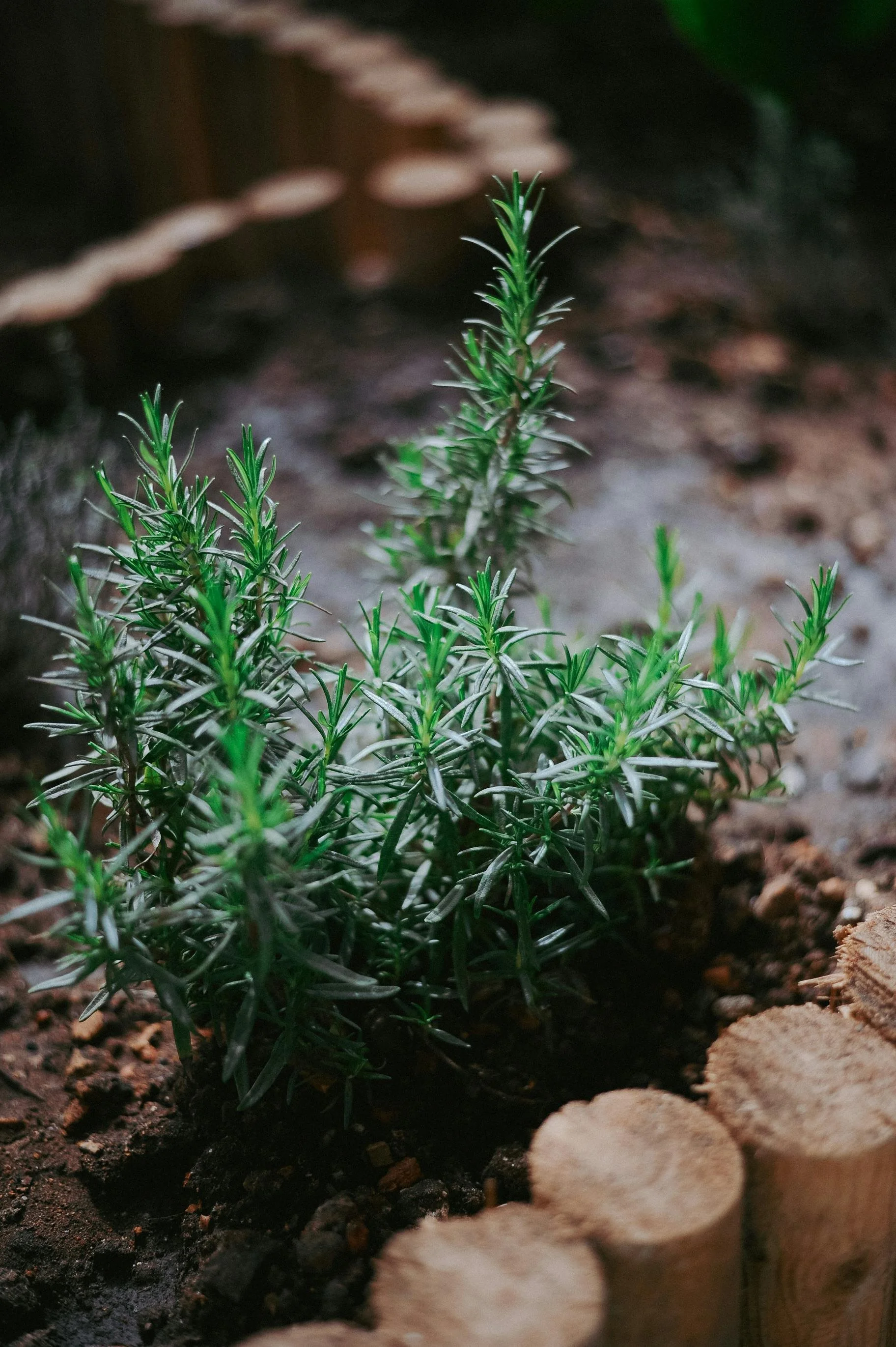
Even citrus, often used in both cleaning and ritual work, carries limonene, a compound associated with elevated mood and reduced stress. It cuts through heaviness not just symbolically, but chemically. It shifts the atmosphere and the internal state at the same time.
What this reveals is something both simple and profound. The practices that have been passed down through generations, burning herbs, placing them in water, carrying them on the body, are not separate from science. They are rooted in it, even if they were not named that way.
Scent becomes a bridge.
When you work with herbs, you are not only engaging in ritual. You are engaging with your nervous system. You are influencing how your body processes stress, memory, and emotion. The shift you feel is real because something is actually changing within you.
This is why intention and scent together are so powerful. The brain is already primed to respond. When you pair that response with awareness, with breath, with repetition, you create a pattern. And over time, that pattern becomes something the body recognizes. Safety. Clarity. Calm. Focus.
It is not about believing that herbs have power.
It is about understanding that they do, and that your body already knows how to respond.