

The Science of Scent: How Herbs Affect the Brain
There is a reason scent is the first thing we reach for when something feels off. Before language, before logic, there is smell. It moves faster than thought, slipping past analysis and arriving directly in the body. A single inhale can calm you, awaken you, or return you to a memory you didn’t know you were holding.
This is not imagined. It is biological.
Unlike the other senses, scent does not take a long route through the brain. When you inhale, aromatic compounds travel through the nose and bind to receptors that send signals directly to the limbic system, the part of the brain responsible for emotion, memory, and instinct. This includes the amygdala, which processes emotional responses, and the hippocampus, which stores memory. This is why scent feels immediate. It does not ask permission. It simply arrives.
Herbs, in particular, carry compounds that interact with this system in distinct ways. What has long been used in ritual and tradition is now being understood through chemistry and neuroscience.
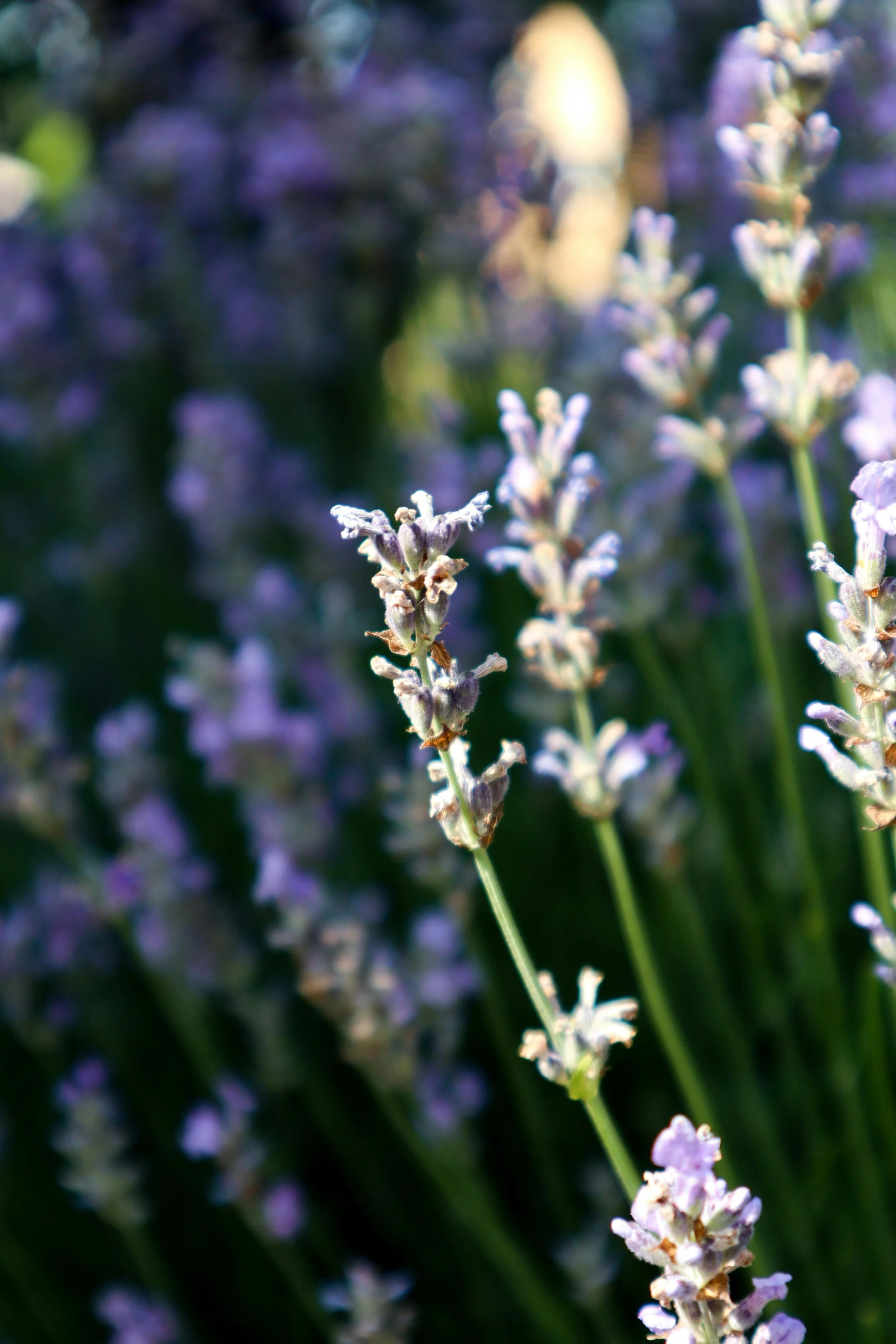
Lavender, for example, contains linalool, a compound shown to reduce activity in the nervous system. It lowers heart rate, eases anxiety, and encourages the body to shift out of a stress response. This is why it is used in both sleep medicine and spiritual cleansing. It does not just “relax” you. It signals safety to the body.
Mint, by contrast, stimulates. Its primary compound, menthol, activates cold receptors in the skin and airways, creating a sensation of alertness and clarity. It increases focus, sharpens attention, and brings the mind back into the present moment. Where lavender softens, mint awakens.

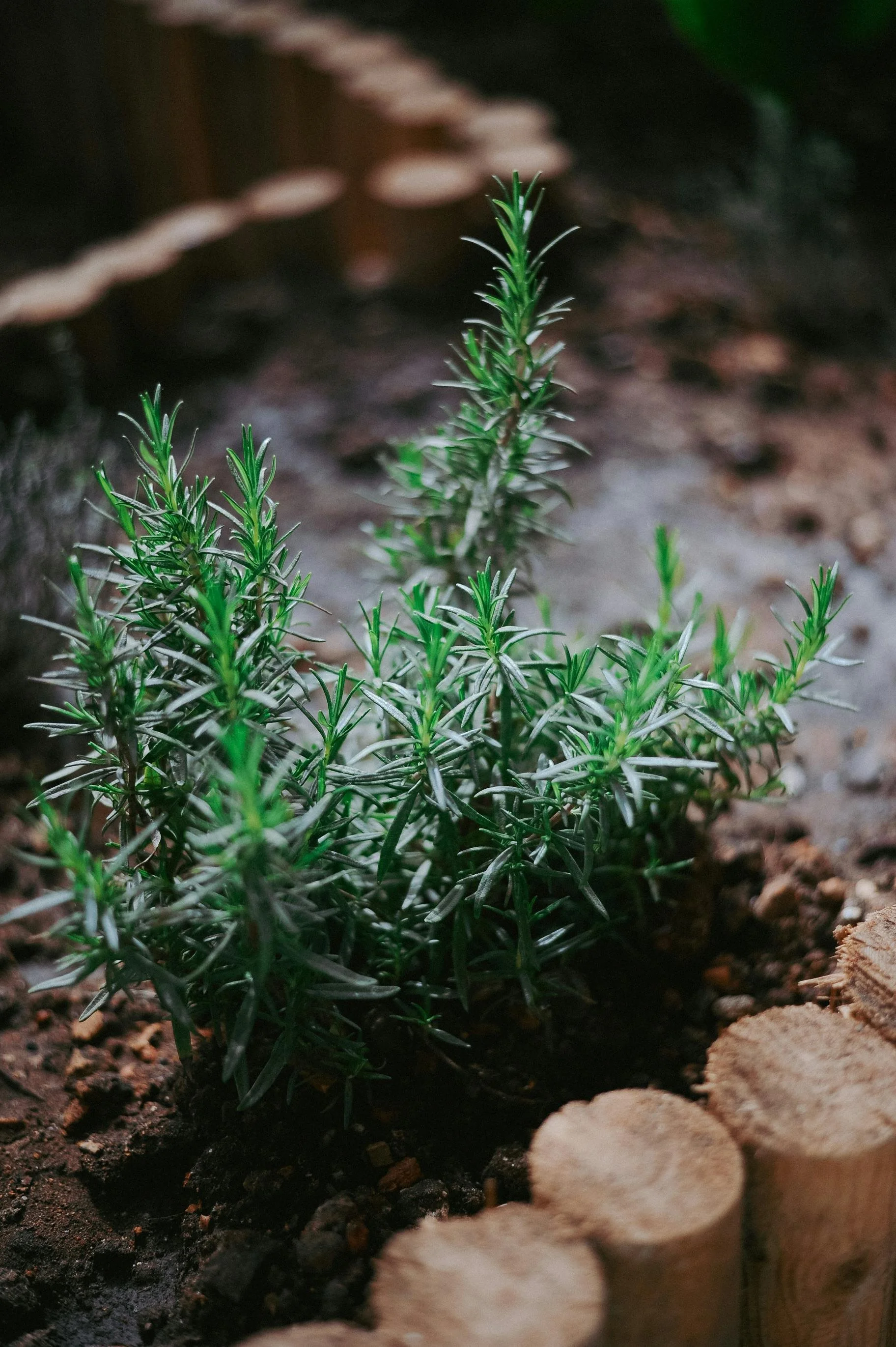
Rosemary has been studied for its effect on memory and cognition. Its compounds, including 1,8 cineole, are linked to improved concentration and mental performance. Historically associated with remembrance, its use in ritual aligns closely with its measurable effects on the brain.
Even citrus, often used in both cleaning and ritual work, carries limonene, a compound associated with elevated mood and reduced stress. It cuts through heaviness not just symbolically, but chemically. It shifts the atmosphere and the internal state at the same time.
What this reveals is something both simple and profound. The practices that have been passed down through generations, burning herbs, placing them in water, carrying them on the body, are not separate from science. They are rooted in it, even if they were not named that way.
Scent becomes a bridge.
When you work with herbs, you are not only engaging in ritual. You are engaging with your nervous system. You are influencing how your body processes stress, memory, and emotion. The shift you feel is real because something is actually changing within you.
This is why intention and scent together are so powerful. The brain is already primed to respond. When you pair that response with awareness, with breath, with repetition, you create a pattern. And over time, that pattern becomes something the body recognizes. Safety. Clarity. Calm. Focus.
It is not about believing that herbs have power.
It is about understanding that they do, and that your body already knows how to respond.