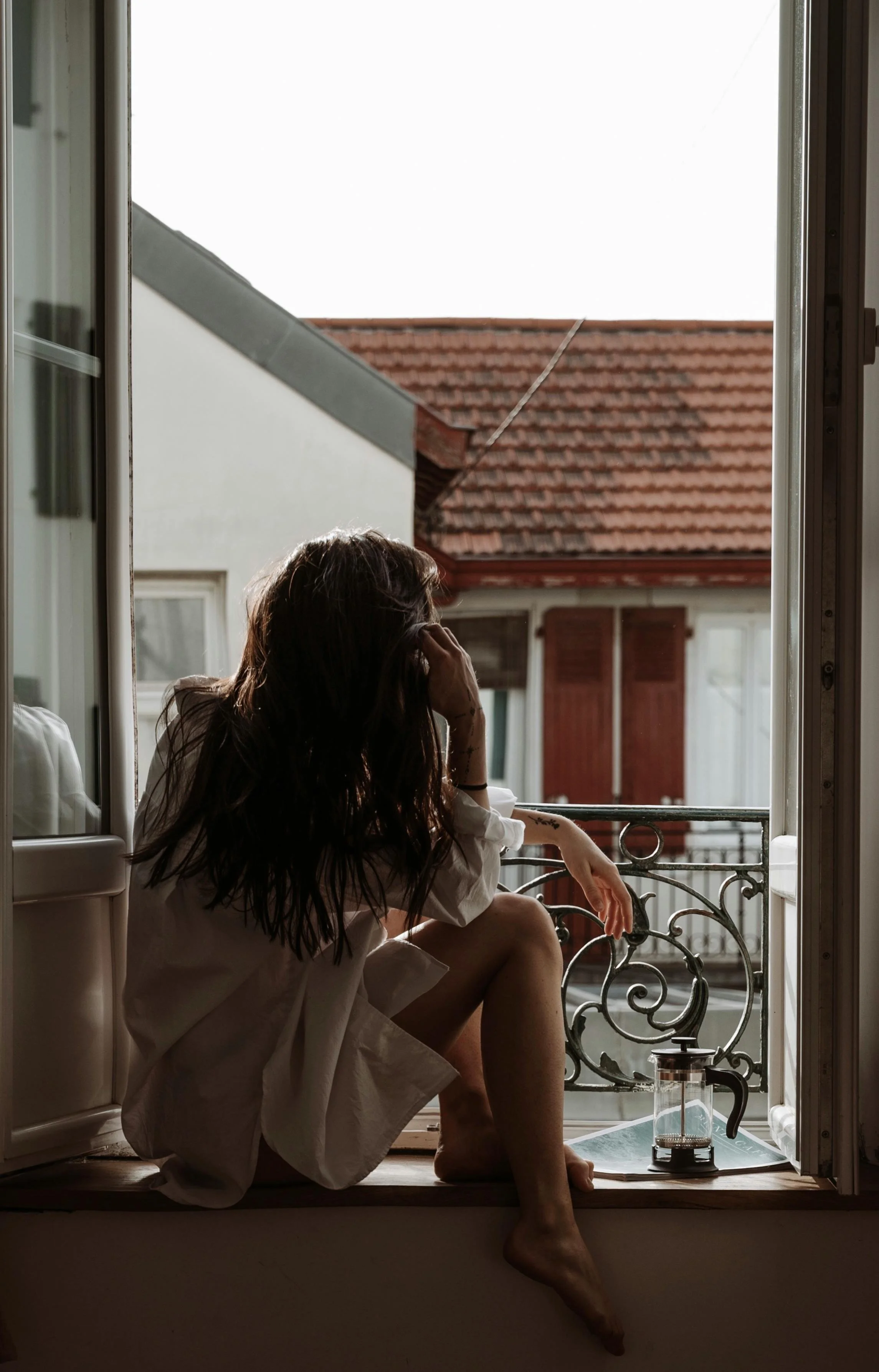

The Old Magic of Midsummer
Image credit: Image 1: Elina Fairytale, Image 2: Oz Art, Image 3: Anna Keibalo, Image 4: Darya Grey_Owl Image 5: Iryna Varanovich , Image 6: Алена
The Summer Solstice marked one of humanity's most important turning points. It was the longest day of the year, the moment when the sun reached its greatest power before beginning its slow descent toward autumn. For agricultural societies dependent upon the rhythms of nature, this celestial event was not simply observed - it was celebrated.
Across Europe, villages gathered to honor the season with bonfires, feasts, dancing, flower crowns, songs, and rituals that blended gratitude with hope for the months ahead. Midsummer was a celebration of abundance, fertility, beauty, and the mysterious relationship between humanity and the natural world.
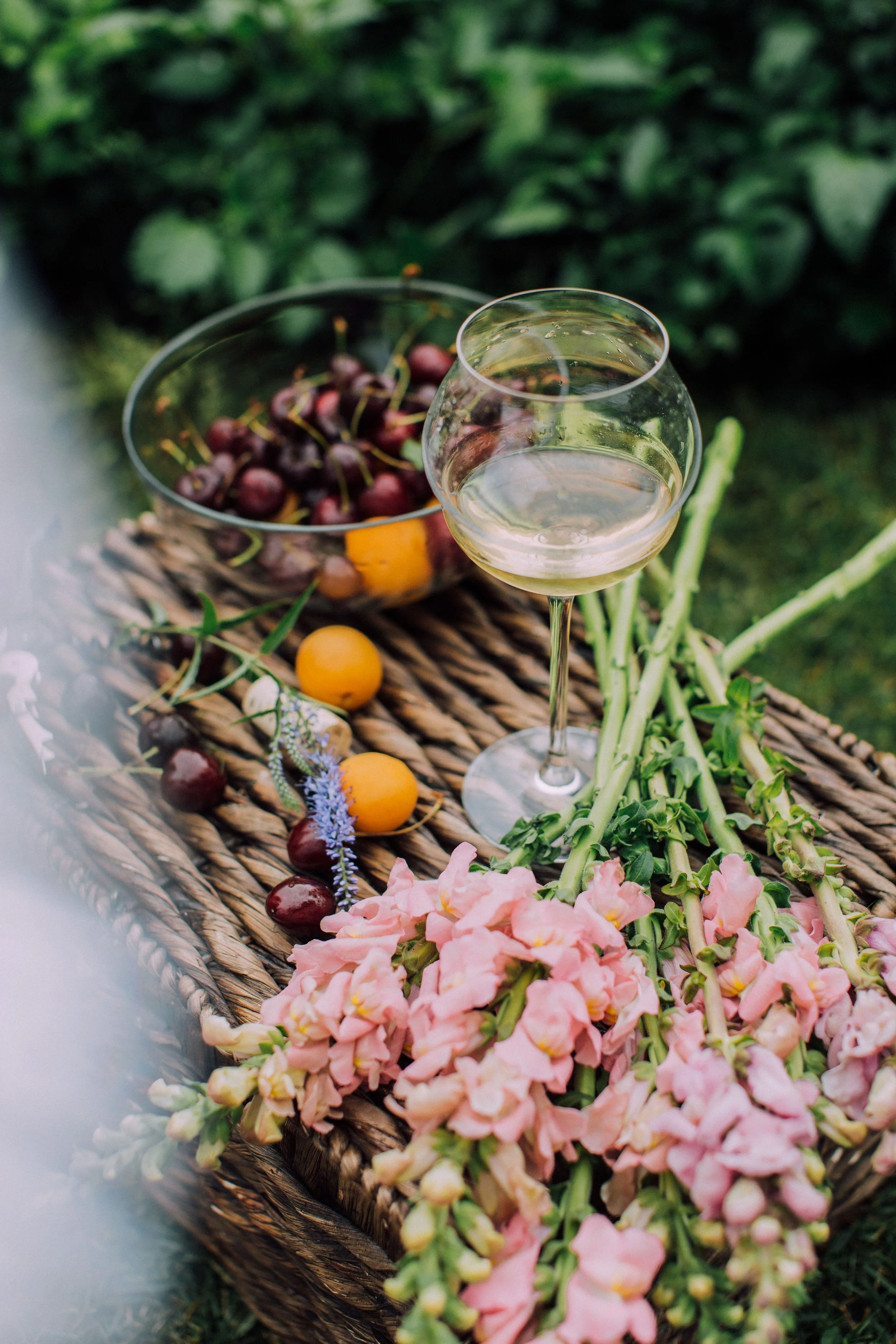
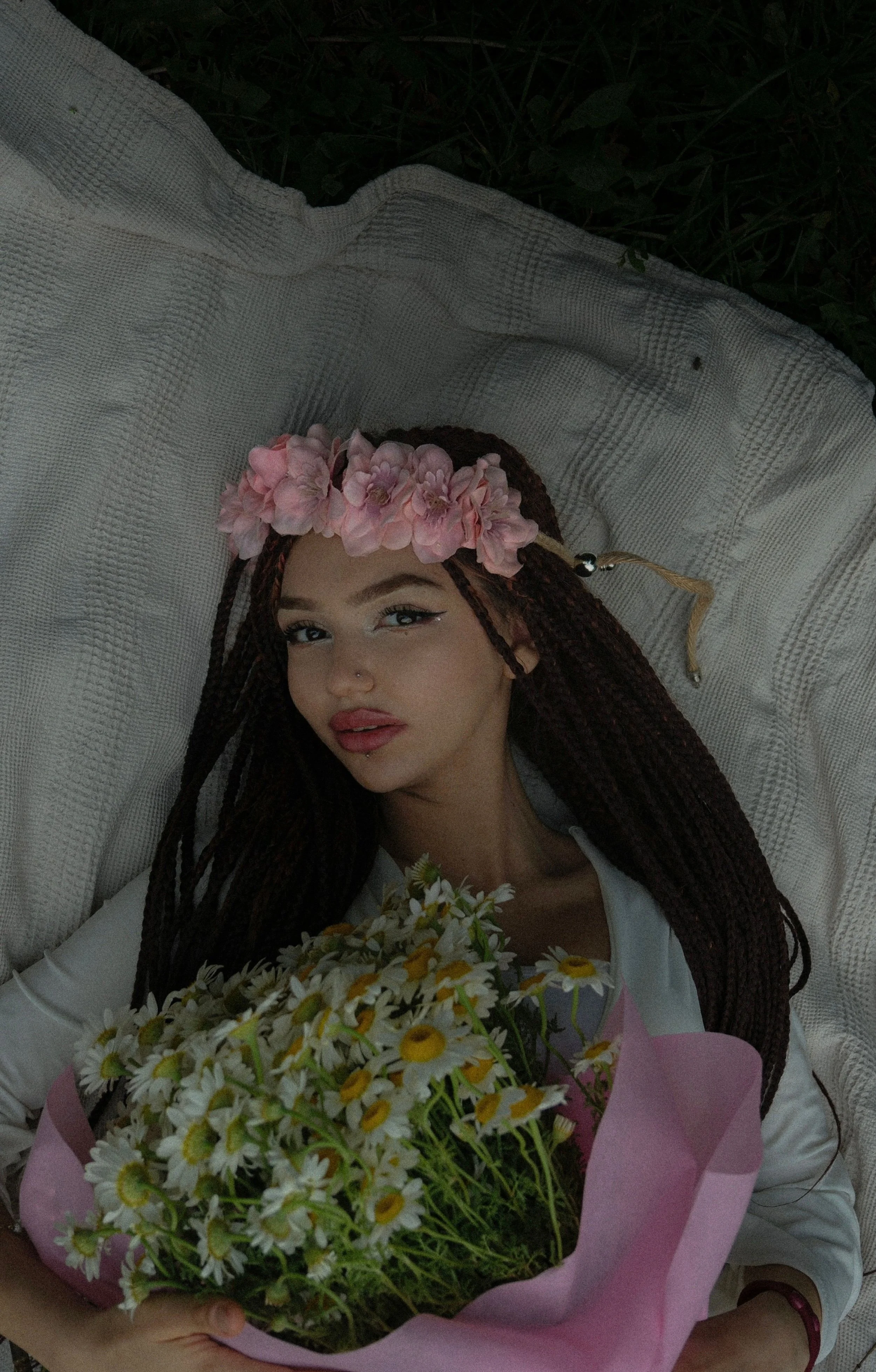
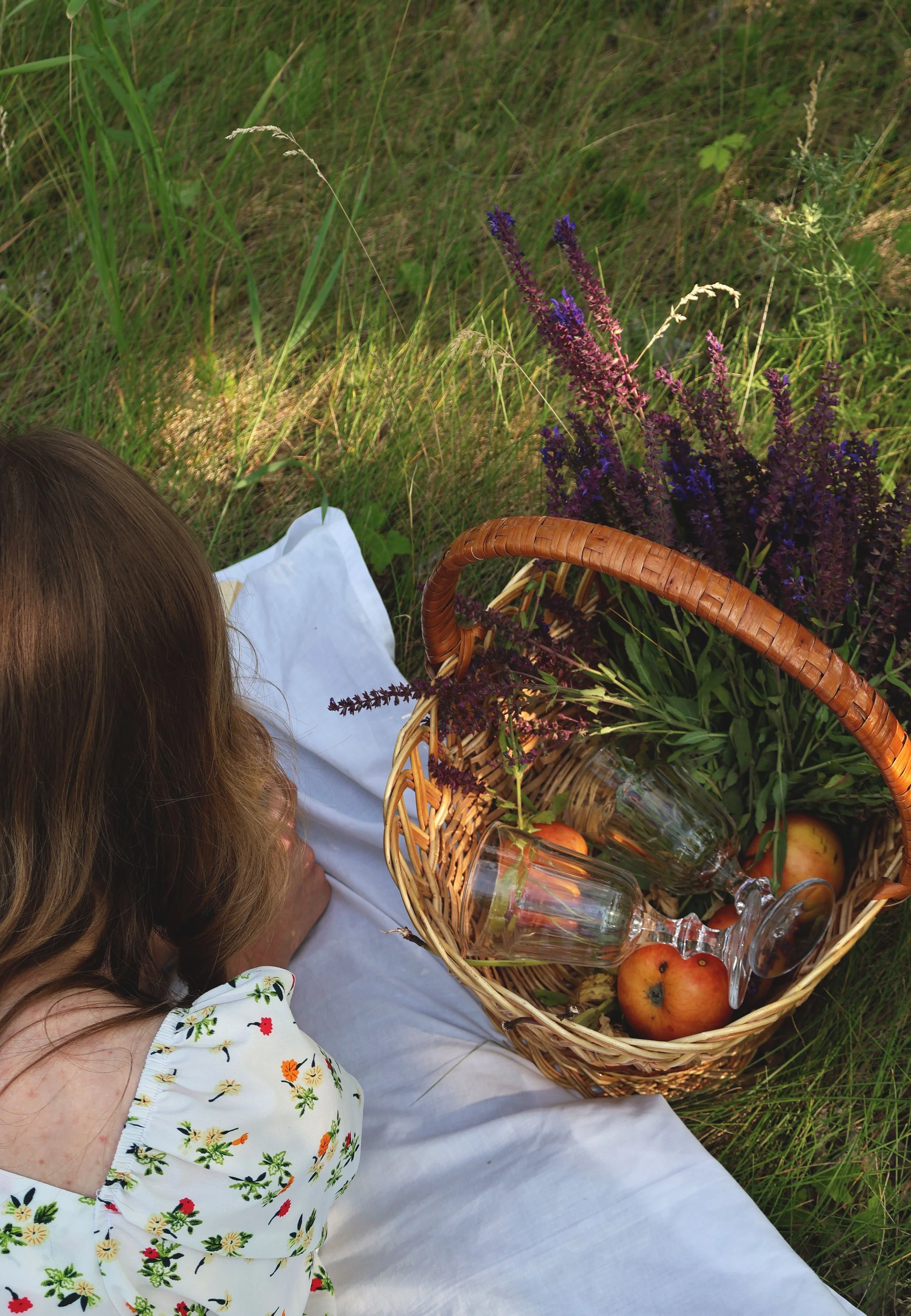
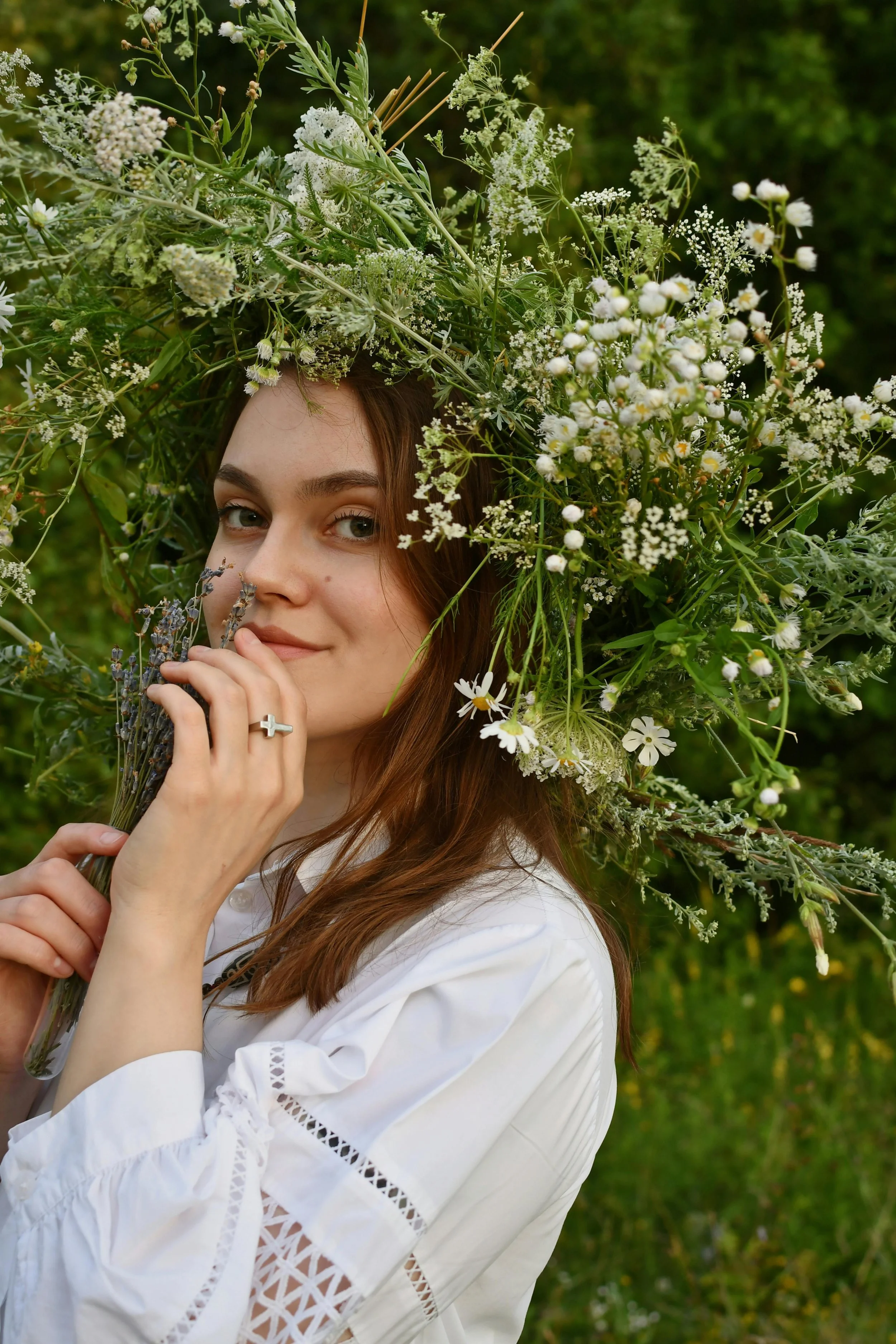
At its heart, Midsummer was a reminder that life itself is cyclical.
One of the most enduring traditions was the lighting of bonfires. From Ireland to Scandinavia, fires blazed across hillsides and village commons. The flames symbolized the power of the sun at its peak and were believed to offer protection, purification, and blessings for the coming harvest. In some regions, people leaped over the flames for luck, health, or fertility. Farmers would even guide livestock near the fires in hopes of ensuring prosperity and protection throughout the year.
Flowers also played a central role in Midsummer celebrations. Young women gathered blossoms from fields and forests, weaving them into crowns and garlands. These floral adornments were more than decorative. They carried symbolic meaning tied to beauty, fertility, protection, and connection to the land. In Sweden, flower crowns remain one of the most recognizable symbols of Midsummer celebrations, a tradition that stretches back centuries.
Many folk traditions held that plants gathered during Midsummer possessed heightened magical and medicinal properties. Herbs such as mugwort, yarrow, chamomile, vervain, and St. John's wort were harvested around the solstice and hung in homes, carried as charms, or incorporated into healing practices. It was believed that the sun's strength infused the plants with additional potency, making this one of the most powerful times of year for gathering herbal medicines.
Midsummer was also deeply associated with divination and matters of the heart. Throughout Europe, young women performed rituals intended to reveal future lovers or offer glimpses of their romantic destinies. In some traditions, seven or nine flowers were gathered and placed beneath a pillow on Midsummer Eve. It was said that one's future spouse might appear in a dream. Whether taken literally or symbolically, these practices reflected a broader understanding of Midsummer as a liminal time - a threshold when the ordinary rules of the world seemed slightly less fixed.
This belief in liminality appears again and again in folklore. Midsummer was often regarded as a moment when the veil between worlds grew thin. Fairies, spirits, ancestors, and unseen forces were thought to move more freely through the landscape. Forests became places of enchantment. Springs and wells acquired special significance. Certain nights were believed to hold extraordinary power.
While modern audiences may view these stories as folklore, they reveal something important about the people who practiced them. Midsummer encouraged attentiveness. It asked people to observe the movement of the sun, the blooming of flowers, the growth of crops, and the mysteries that surrounded them. It cultivated wonder.
Perhaps this is why Midsummer continues to captivate us today.
Even in an age of technology and constant connectivity, many people feel drawn toward flower crowns, garden gatherings, outdoor dinners, and seasonal rituals. Beneath the aesthetics lies something far older than trend. These traditions connect us to generations of people who stood beneath the same June sky and recognized that they were part of something larger than themselves.
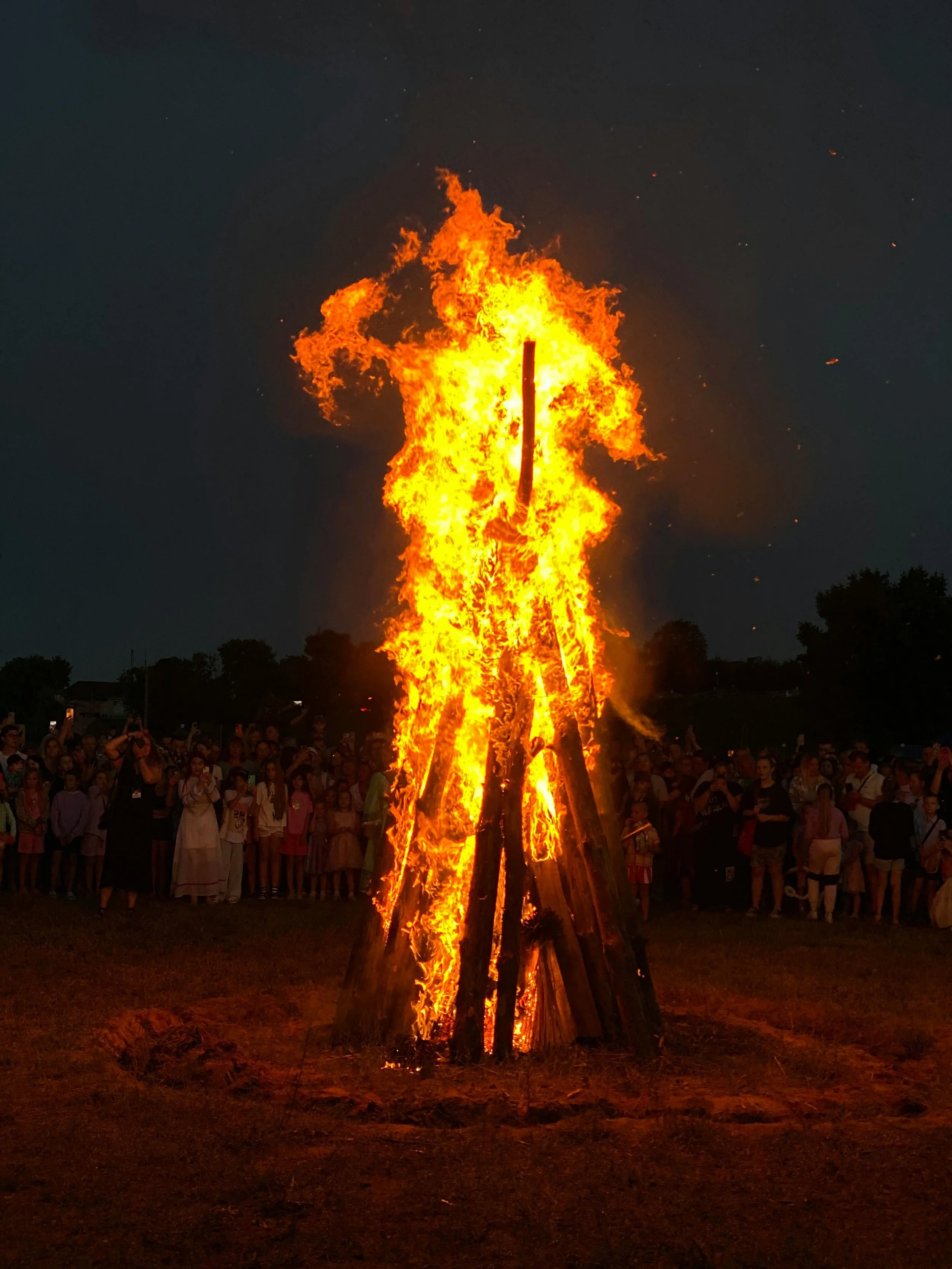
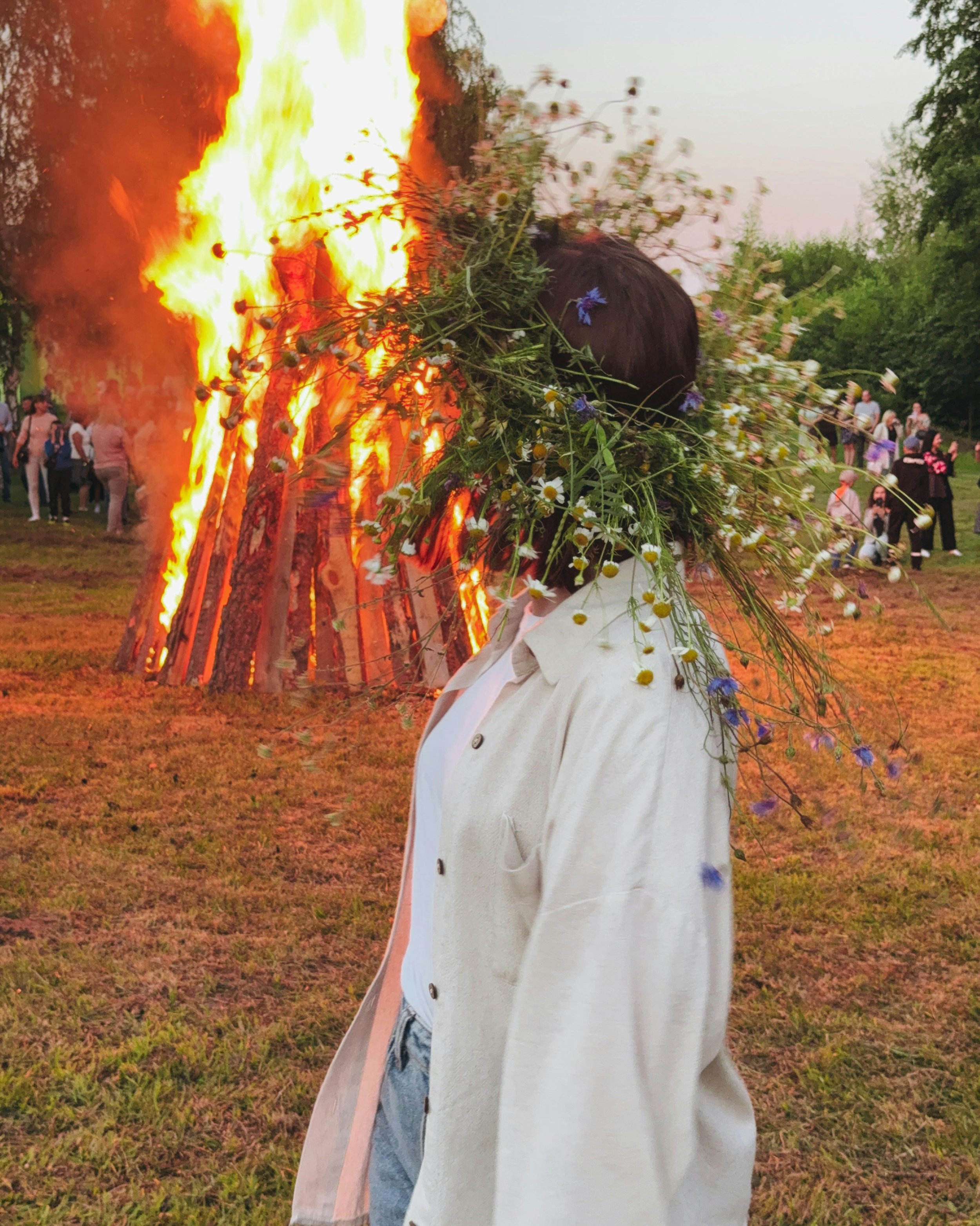
The old magic of Midsummer was never solely about spells or superstition.
It was about relationship.
A relationship with the land, with the seasons, with community, and with the understanding that abundance deserves acknowledgment. The crops were growing. The flowers were blooming. The earth was alive.
And for one luminous moment each year, people paused to celebrate that fact.