

The Language of Wildflowers
Folklore, Healing, and the Secret Messages of Summer
There is something magical about the flowers that bloom in summer.
Long before bouquets carried hidden meanings, before gardens became ornamental, wildflowers were teachers. They marked the changing seasons, healed the sick, protected homes, and carried whispered messages between lovers. Across Europe and the British Isles, many of these blossoms were believed to possess spirits of their own, each offering a different kind of blessing to those willing to listen.
This summer, we invite you to wander through the old stories and rediscover the folklore behind some of the season's most beloved wildflowers.
Yarrow
The Healer's Herb
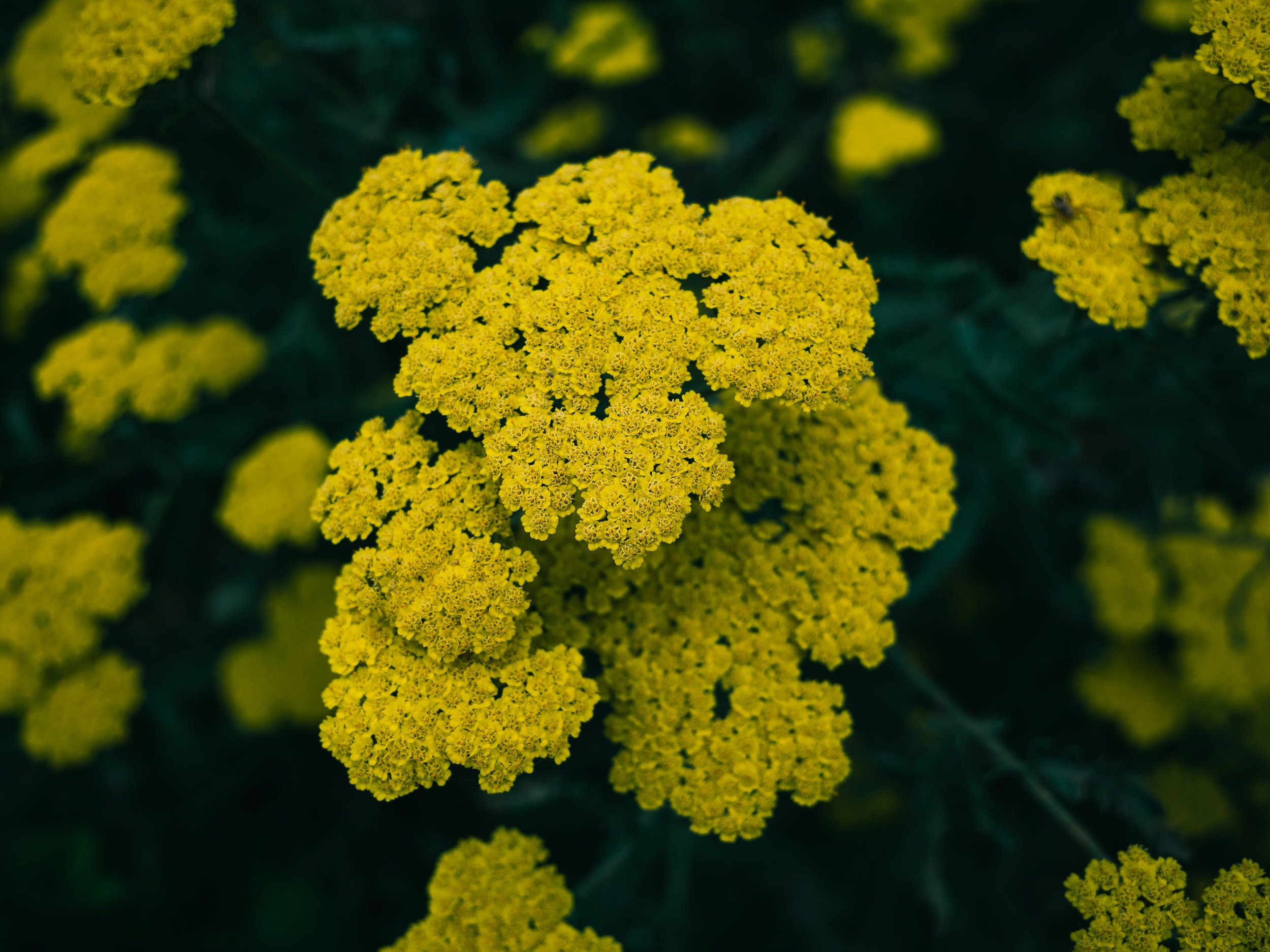
Image by Sonny Sixteen at https://www.pexels.com/@sonny/
Known as one of the oldest medicinal plants in Europe, yarrow has long been associated with protection, courage, and healing. Greek mythology tells us that Achilles used yarrow to treat the wounds of his soldiers during the Trojan War, earning the plant its botanical name, Achillea millefolium.
In European folk traditions, bunches of yarrow were hung above doorways to ward off illness and misfortune. Some believed carrying a sprig would bring courage during difficult journeys, while others tucked it beneath their pillows in hopes of dreaming of a future lover.
Today, yarrow remains a symbol of resilience, restoration, and the quiet strength that follows hardship.
Foxglove
The Fairy's Glove
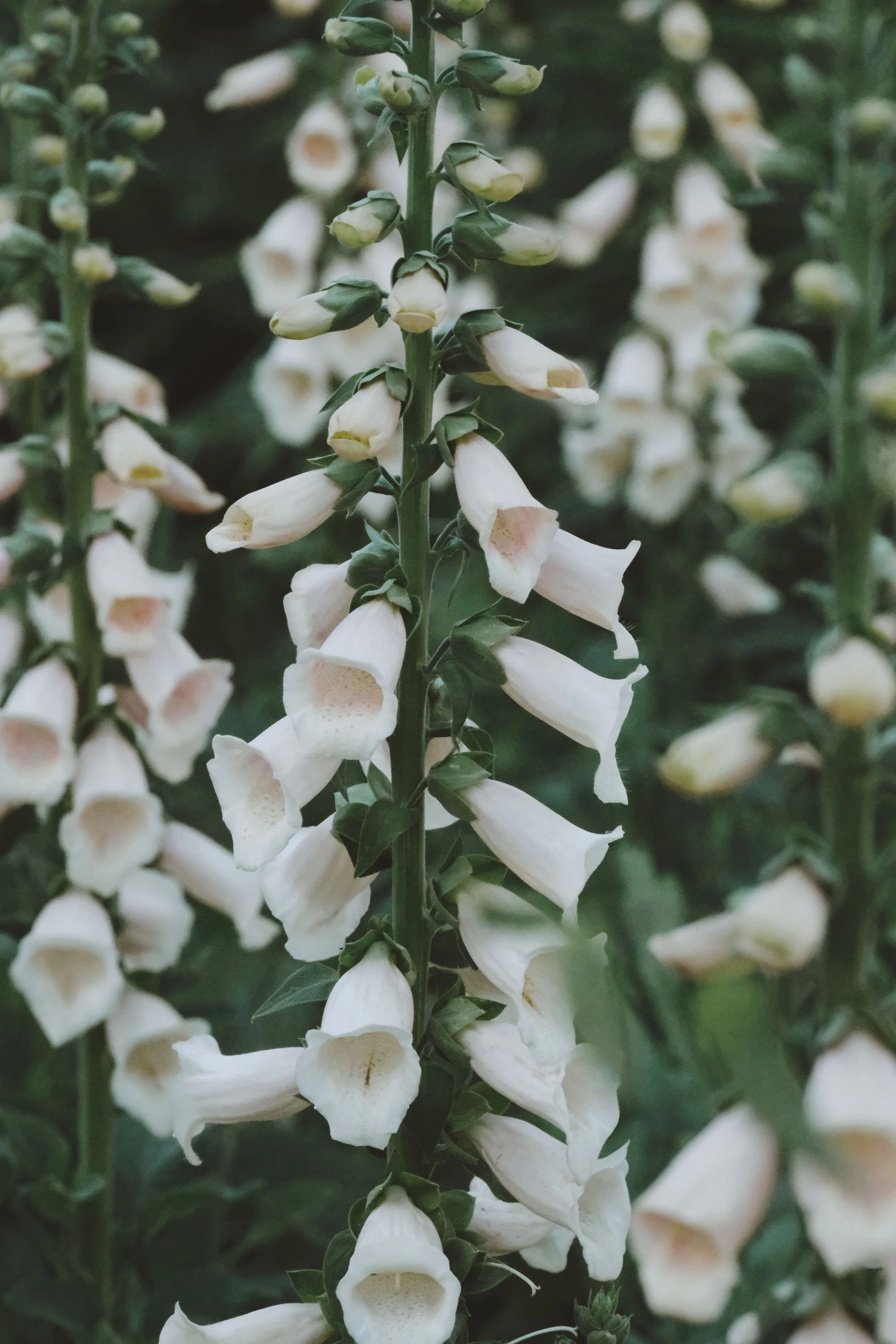
Image by Mehmet Demiral at https://www.pexels.com/@mehmet/
With its tall spires of bell-shaped blossoms, foxglove has inspired legends for centuries.
Across Ireland, Scotland, and Wales, these flowers were believed to belong to the fairy folk. Their blooms were said to serve as tiny gloves for the Sidhe, while stepping into a patch of foxgloves was thought to invite the attention of unseen spirits.
Because the plant is highly poisonous, many stories warned children never to pick it. Folklore suggested that disturbing foxglove might anger the fairies—or invite their tricks into one's home.
Beautiful yet dangerous, foxglove reminds us that nature often carries both wonder and warning.
Queen Anne's Lace
The Wild Queen
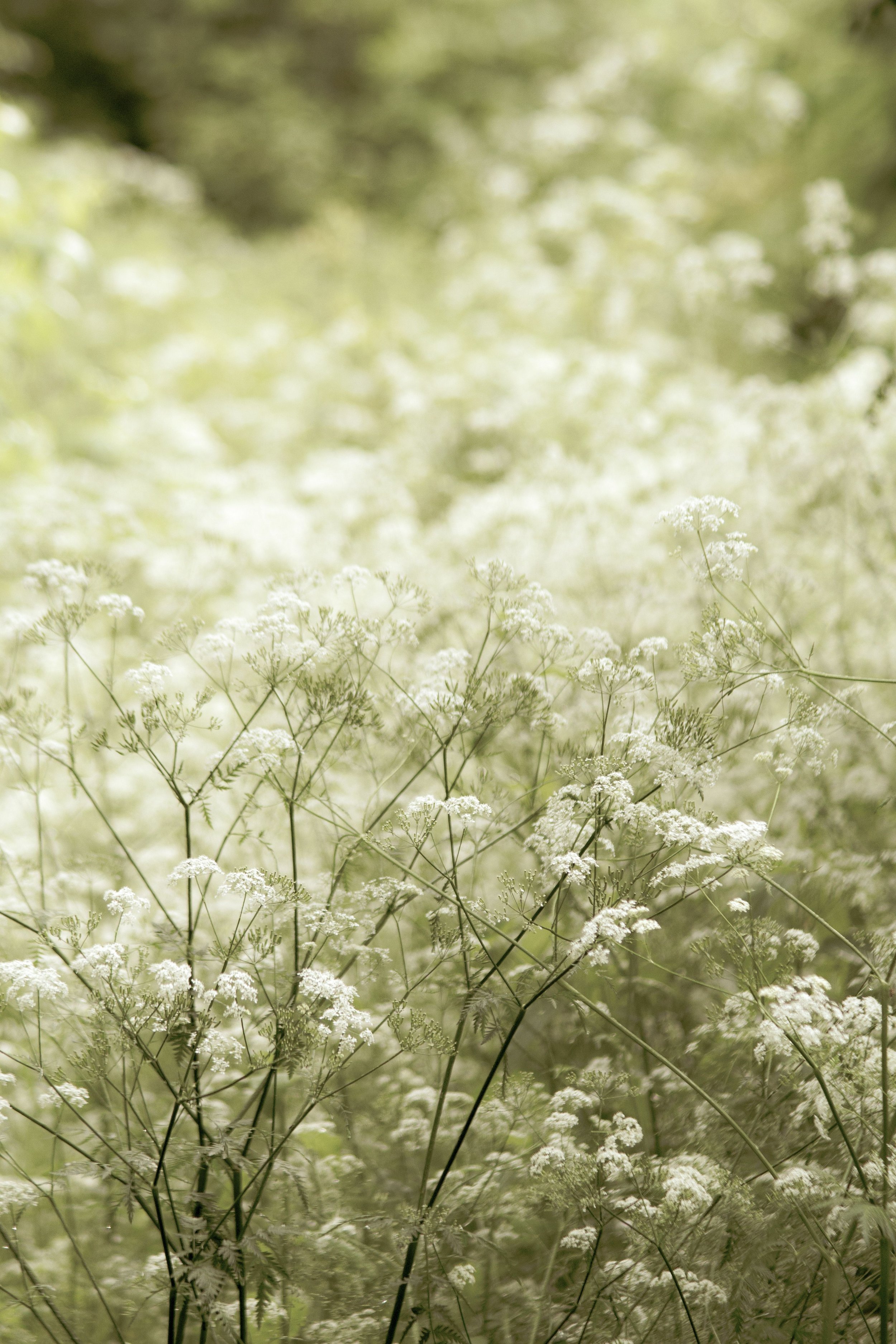
Image by Viktorija Stankevičiūtė at https://www.pexels.com/@stankevic/
Delicate and lace-like, this familiar roadside flower has inspired countless stories.
One legend tells of Queen Anne of England, who challenged her ladies to create lace as beautiful as the flower itself. While sewing, she pricked her finger, and a single drop of blood landed in the center of the lace—explaining the tiny dark purple flower often found at its heart.
In folk tradition, Queen Anne's Lace also became a symbol of sanctuary, innocence, and the quiet beauty found growing untended in forgotten places.
Chamomile
The Plant of Peace
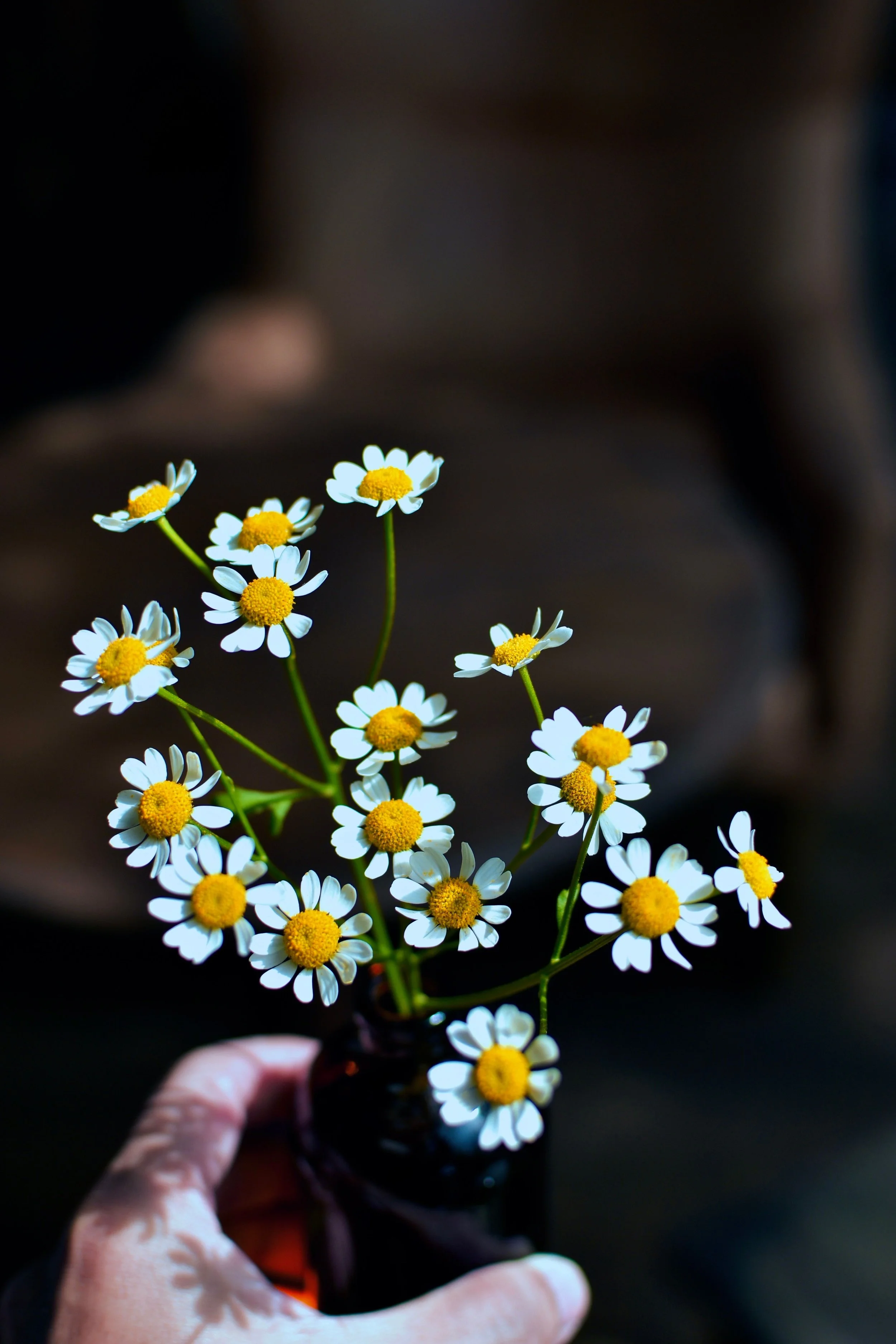
Image by QUI NGUYEN at https://www.instagram.com/quicore
For centuries, chamomile has been treasured not only for its calming properties but also for its spiritual significance.
Ancient Egyptians associated the flower with the sun god Ra, believing it carried the warmth and healing power of the sun itself. Across Europe, chamomile was planted near homes to invite peace, prosperity, and good fortune.
Some traditions encouraged washing one's hands with chamomile before important conversations or negotiations, believing it encouraged kindness, patience, and understanding.
Its tiny blossoms remind us that gentleness is often one of nature's greatest strengths.
Lavender
The Flower of Devotion
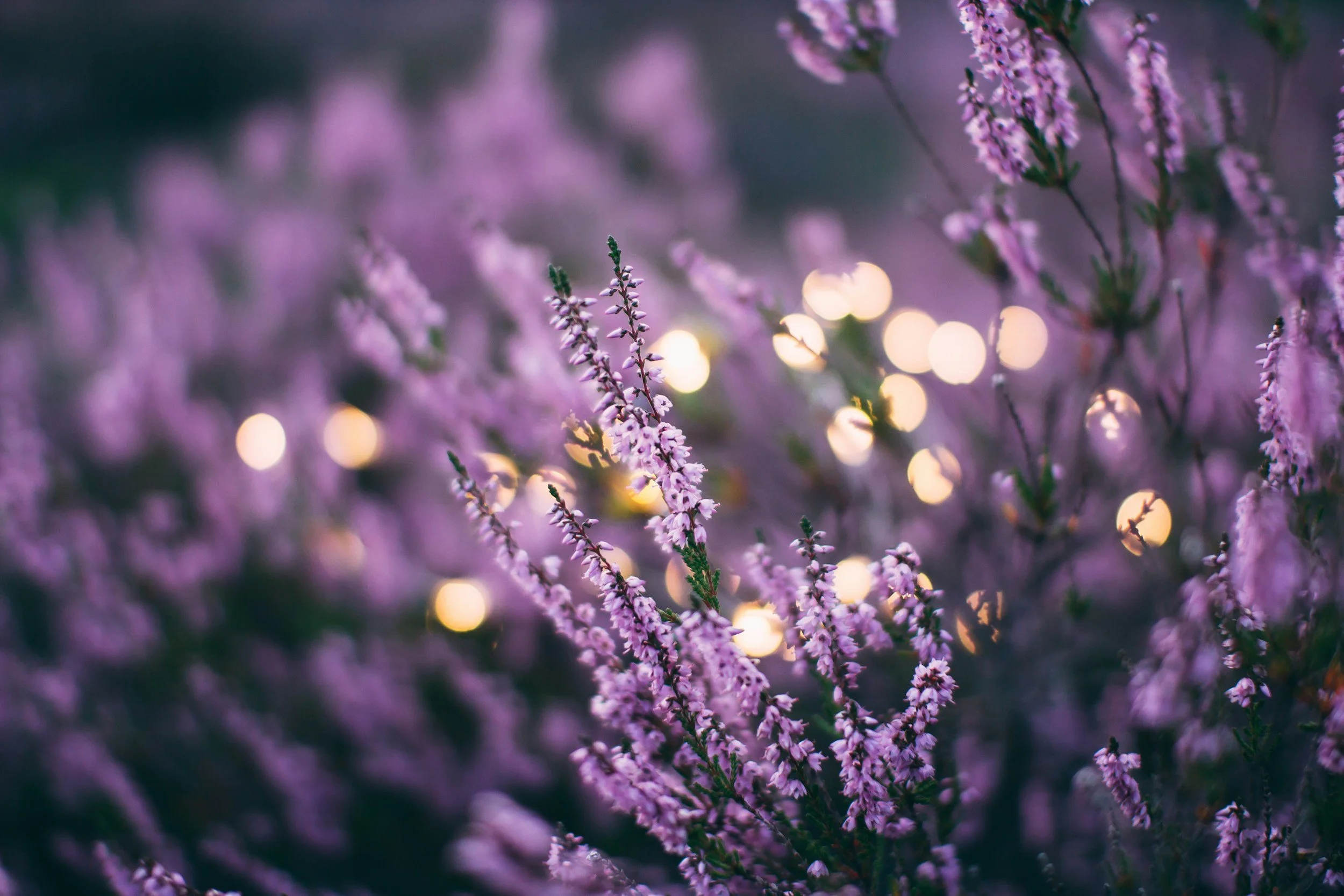
Few flowers carry a richer history than lavender.
The Romans scented their baths with its fragrant blossoms, while medieval households scattered lavender across floors to purify the home and ward away illness.
Throughout Europe, bundles of dried lavender were placed beneath pillows to encourage peaceful dreams and hung above doorways to invite protection.
In the Victorian language of flowers, lavender came to symbolize devotion, serenity, and quiet grace.
Its fragrance continues to evoke comfort, remembrance, and home.
Poppies
The Flowers Between Worlds
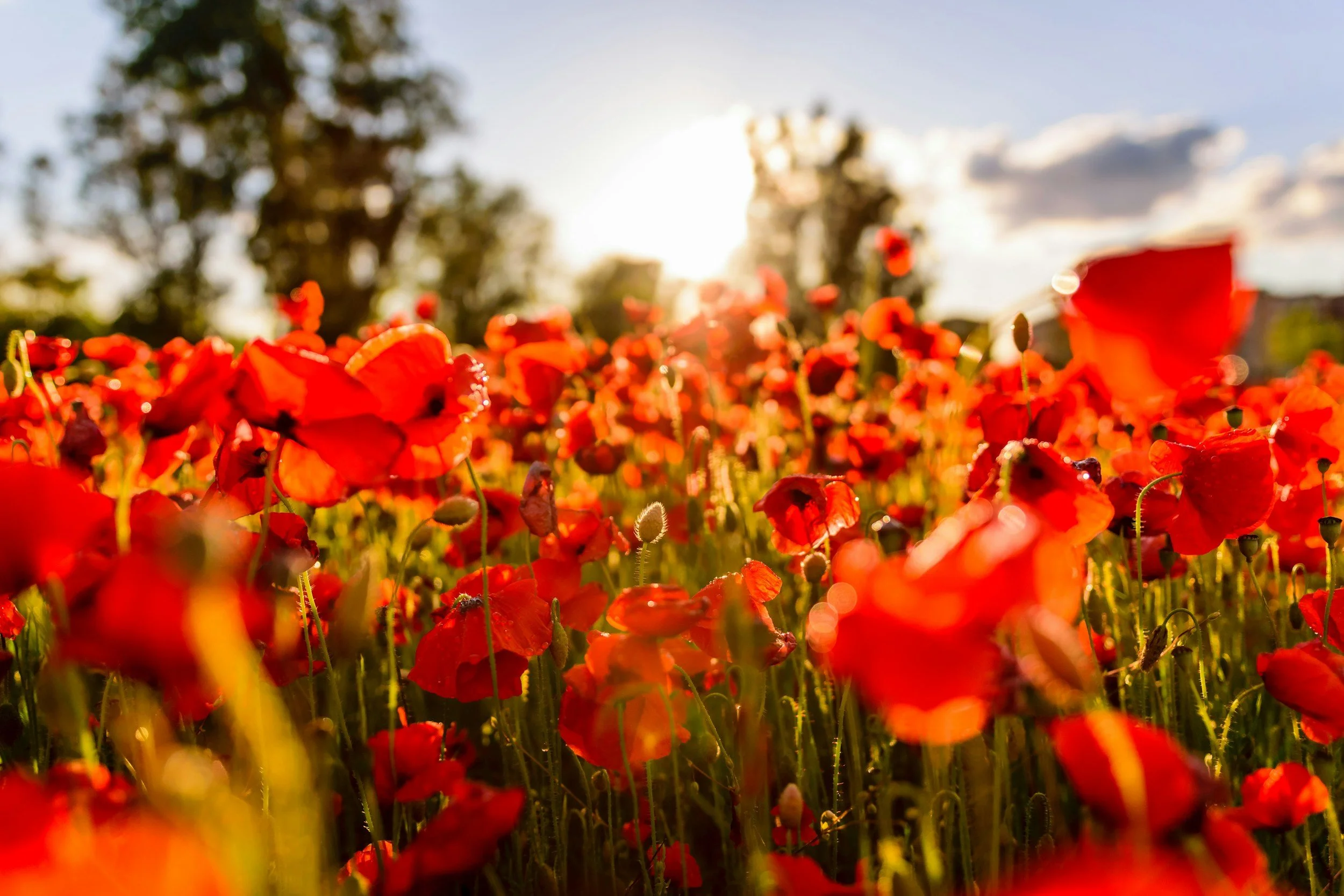
Poppies have long stood at the threshold between sleep, dreams, memory, and death.
In Greek mythology, they were sacred to Demeter and Hypnos, connecting them to both harvest and rest. Across many cultures, their brilliant scarlet petals came to symbolize sacrifice, remembrance, and the fragile beauty of life itself.
Today, poppies remain one of the world's most enduring symbols of memory—reminding us that even after loss, beauty continues to bloom.
A Summer Written in Flowers
Perhaps our ancestors understood something we are only beginning to remember:
That every flower tells a story. Some speak of healing. Some whisper of protection. Some remind us to rest. Others ask us to wander.
Together, they form a language older than words—a quiet conversation between humanity and the natural world that continues to bloom each summer, waiting patiently for those willing to listen.