

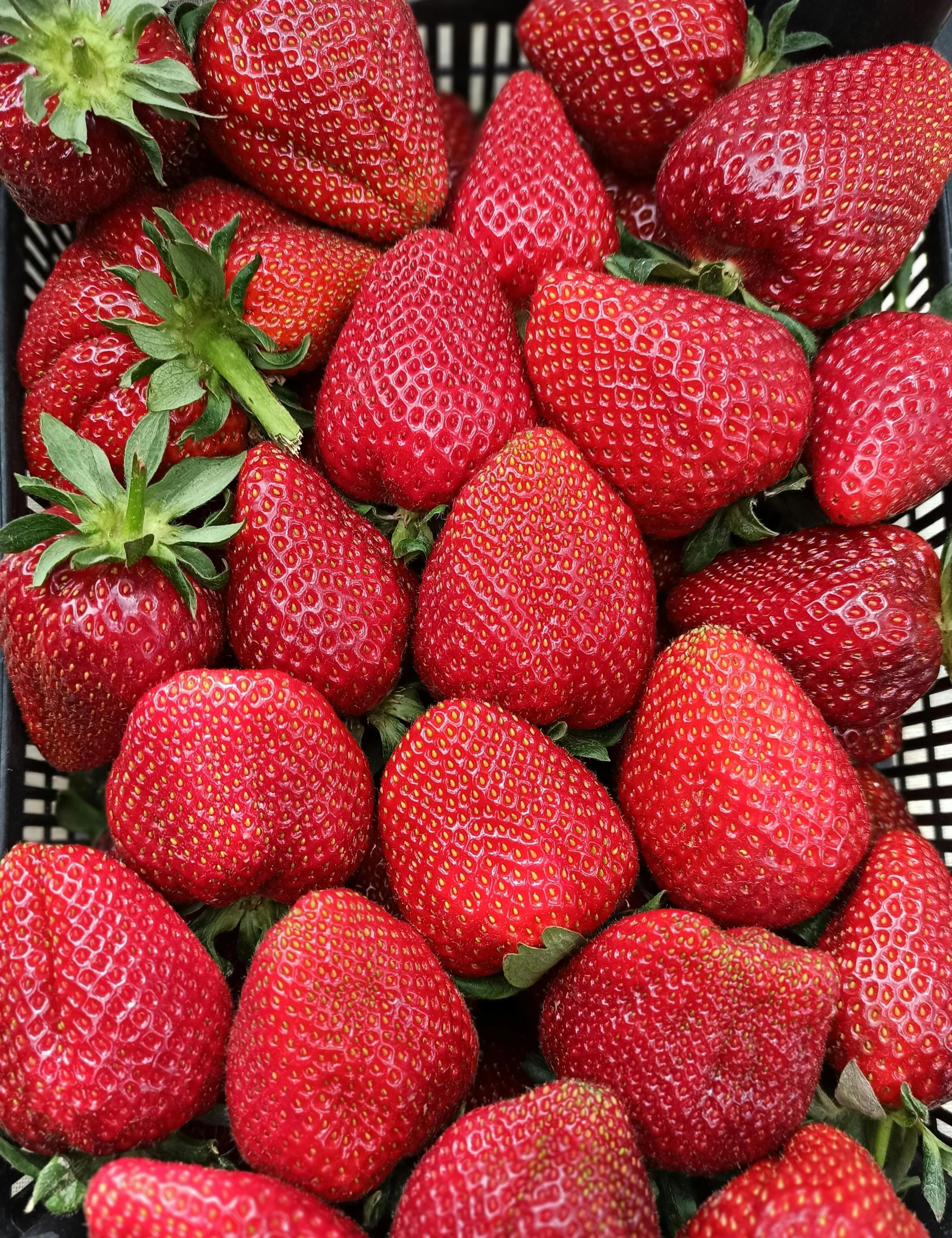
Why Your Body Craves Red Fruit in Late Spring: The Root Science of Strawberries, Blood Building, and Seasonal Repair
Late spring cravings for strawberries and red fruits may be more than preference — they may be the body’s seasonal blueprint for blood building, hydration, and nervous system repair.
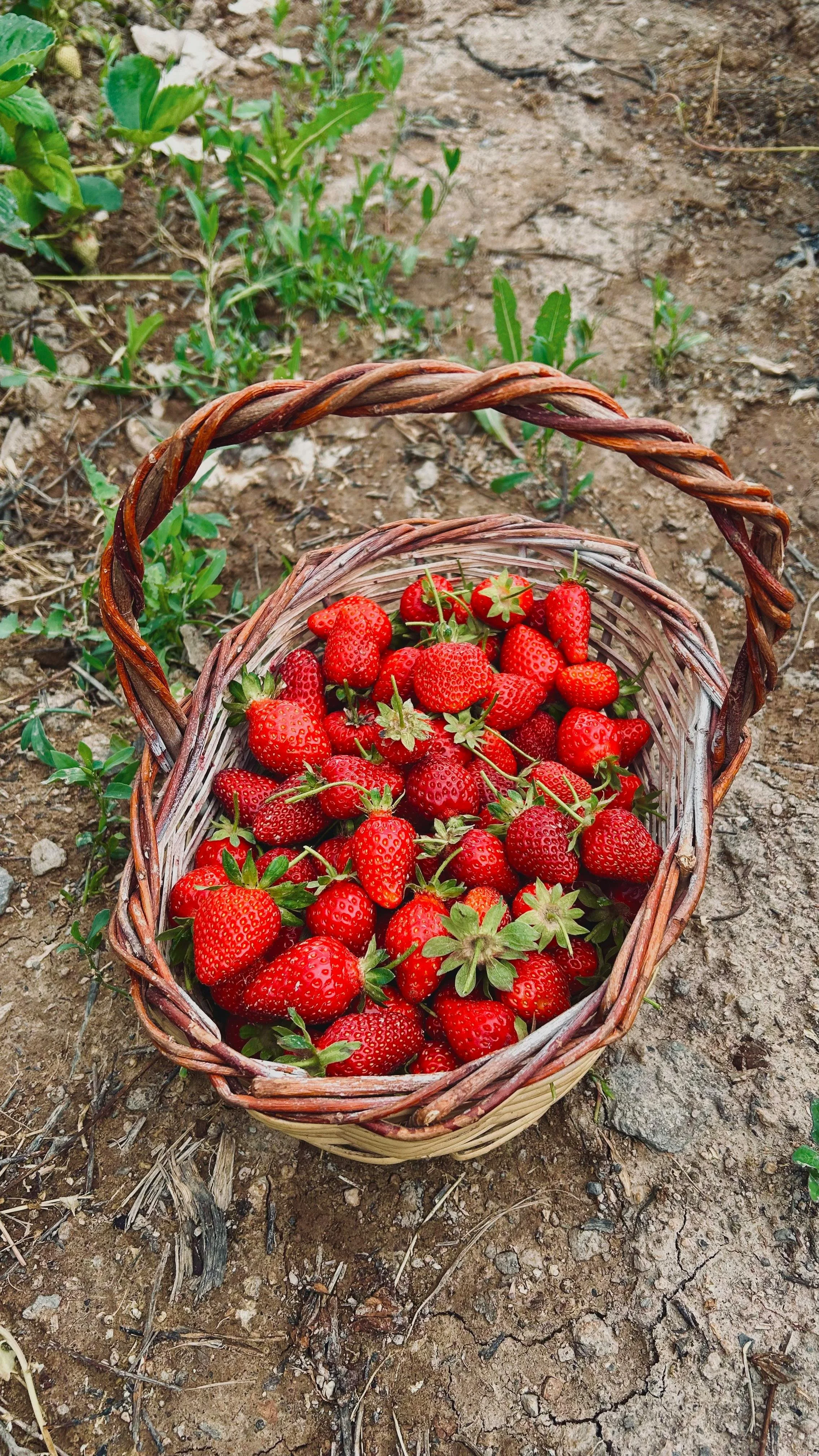
Every season teaches the body a different hunger.
Winter asks for fat, starch, heat, and sleep. Early spring asks for bitter greens and detoxification. But by late spring, something subtler begins to happen: the body starts reaching for color.
Red fruit. Tender herbs. Moisture-rich foods. Things that feel alive the moment they touch the tongue.
This is not random appetite. It is seasonal intelligence.
By the second half of May, many people report a distinct craving for strawberries, cherries, watermelon, hibiscus, pomegranate drinks, and lightly sweet fresh foods. While modern nutrition tends to dismiss these desires as preference, traditional herbal systems and emerging seasonal biology suggest something more practical is happening — the body is quietly trying to rebuild blood chemistry, cellular hydration, and nervous system vitality after months of cold-weather depletion.
Late spring is not merely floral.
It is reparative.
The Hidden Mineral Deficit of Winter
During winter, the human body naturally leans heavier into dense foods, reduced sun exposure, lower movement, and often increased stress hormone production. This creates a subtle but measurable pattern by spring:
sluggish circulation
lower iron uptake
lower vitamin C stores
connective tissue dryness
nervous system fatigue
inflammatory stagnation
By May, the body begins correcting.
And it often asks for foods rich in water, antioxidants, trace minerals, and blood-supportive pigments.
Enter red fruit.
Why Strawberries Matter More Than We Think
Strawberries are often framed as decorative — a garnish, a dessert fruit, something romantic and soft.
Biologically, they are anything but frivolous.
They contain:
high vitamin C for collagen rebuilding and iron absorption
manganese for connective tissue and metabolic repair
folate for cellular regeneration
anthocyanins and polyphenols for vascular protection
natural sugars that provide quick usable energy without the heaviness of winter starches
In simple terms: strawberries help wake tired tissue back up.
Their red coloration also mirrors a principle seen across many traditional medicinal systems — red foods frequently correspond with blood movement, circulation, and life-force replenishment.
This is why so many cultures historically associated spring berries with fertility, sensuality, and vitality.
The body feels what the chemistry is doing before the mind names it.
Seasonal Repair Is Also Nervous System Repair
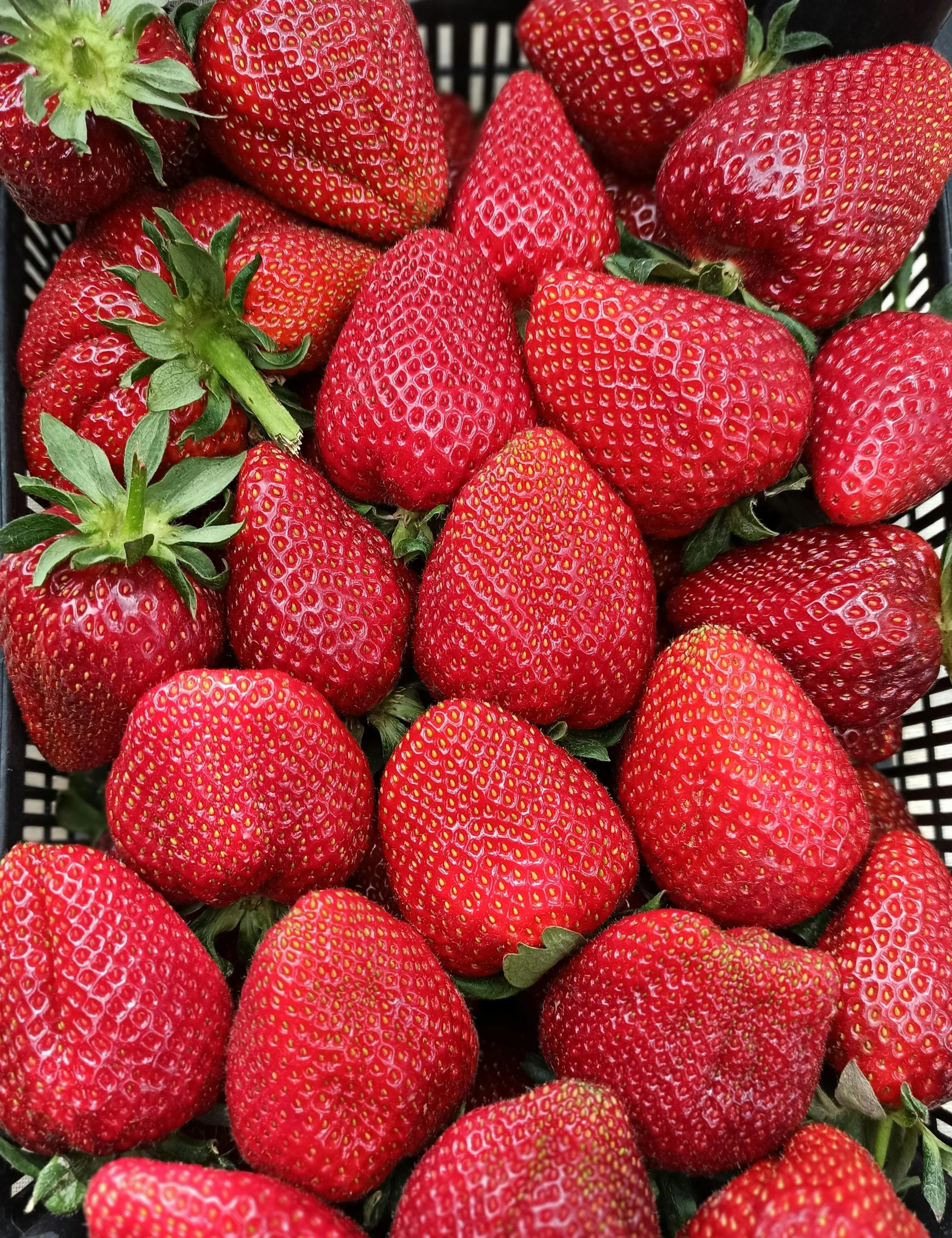
Late spring foods tend to be:
juicy
fragrant
colorful
easier to digest
naturally sweet
This matters because the nervous system does not heal efficiently under conditions of perceived scarcity.
After the constriction of winter, sensory abundance becomes part of the medicine.
Bright fruits signal safety.
Sweetness signals enoughness.
Freshness signals continuation.
There is a reason depression often begins to lift not in March, but closer to late May when the body has enough environmental proof that survival season is ending.
Food participates in that message.
Other Red and Pink Foods the Body Often Wants in May
Alongside strawberries, many people instinctively begin reaching for:
cherries
raspberries
hibiscus tea
rhubarb
watermelon
rose infusions
beet preparations
pomegranate
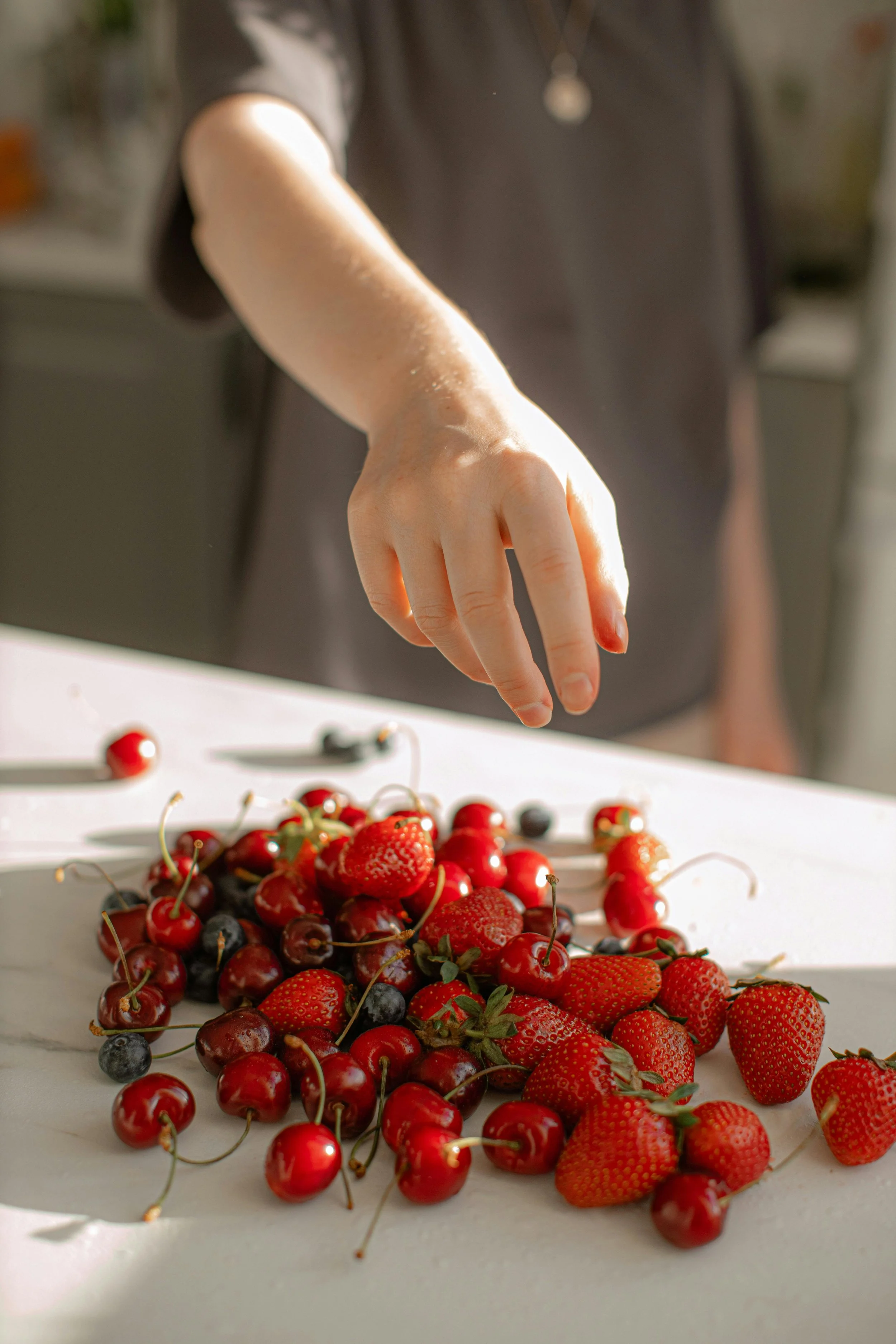
These all share overlapping functions:
hydration, blood support, circulation, and antioxidant repair.
Nature rarely produces abundance without purpose.