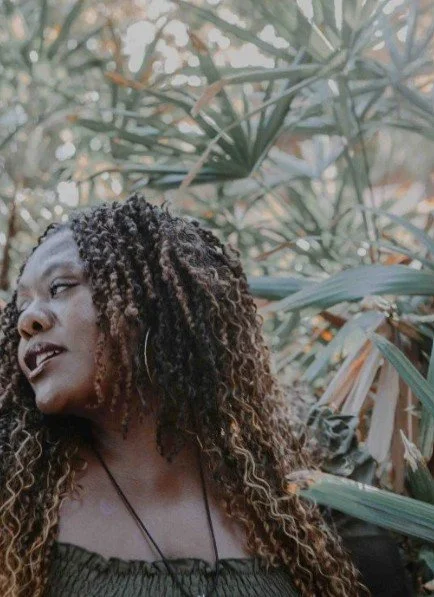

The Woman Who Followed the Sound: An April Folk Story of the Green World
Photography by Cottonbro Studio
There once was a woman who walked beyond the edge of her village. It was the first true arrival of spring, the kind that does not ask permission but announces itself through softened ground and air that feels newly inhabited. Some would later say it was April first, though in those places time was not measured by calendars so much as by the behavior of the earth itself. In her departure there was nothing remarkable. No urgency. No witness who could say, with certainty, when the moment shifted from ordinary to something else. She simply followed the sound.
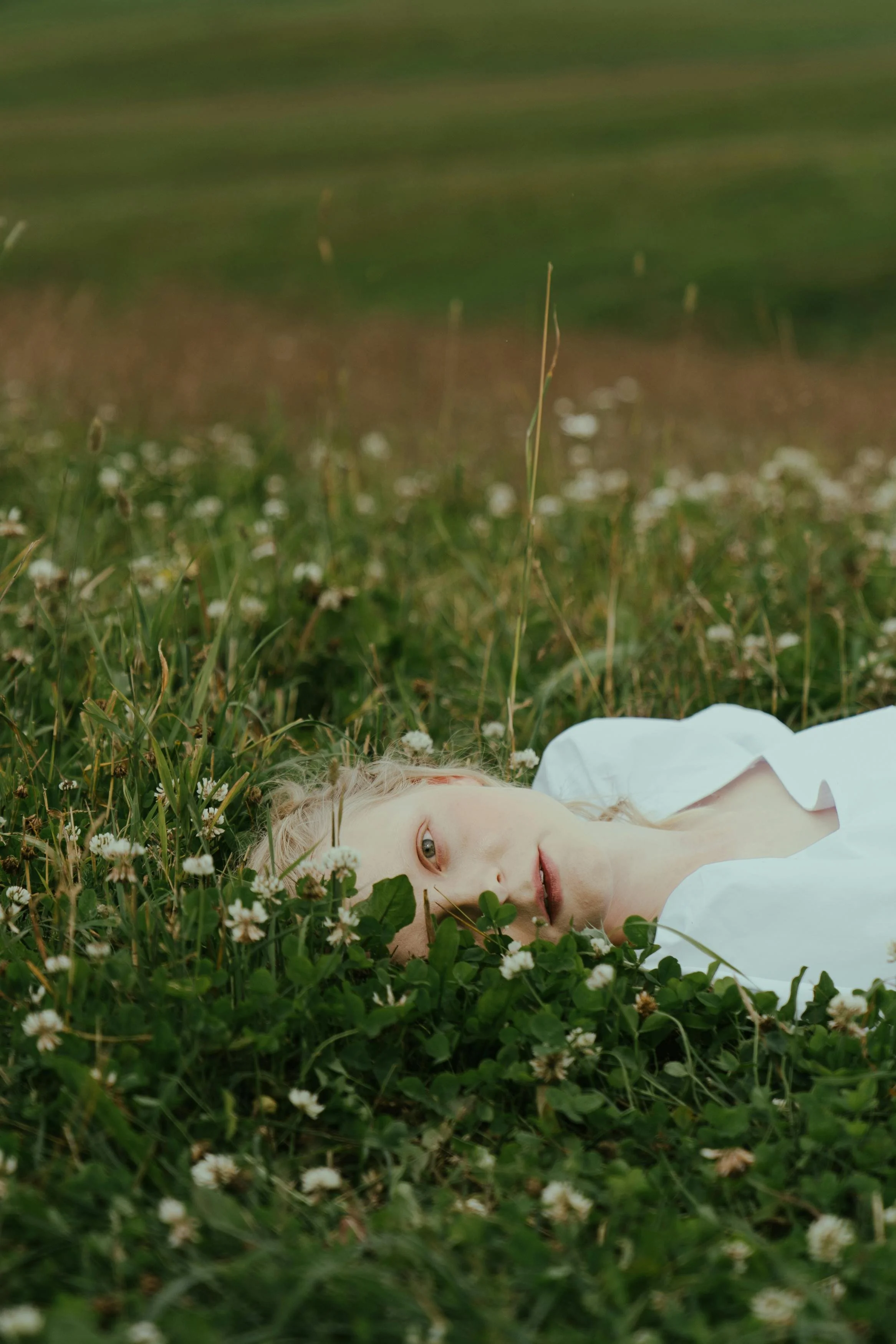
Whether it was music, wind, or something less tangible was never agreed upon. But it was a sound. Or rather, something that resembled one. A frequency that moved beneath hearing, something felt more than received. There were those in the village who understood this distinction. The old ones, they were called. Those who had lived long enough to recognize that the land does not always speak in ways the ear can translate. They said the earth spoke to everyone. Not in language, not in sound, but in vibration. And that every so often, someone would answer.
She was gone for days.
Or at least that is what the others believed. Because when she returned, nothing in her appearance suggested absence. Her clothes carried no sign of travel. Her body bore no evidence of hardship or distance. Nothing, except the quiet arithmetic of time, could have insisted that she had been gone at all. It might have been minutes. It might have been something else entirely. And yet those closest to her felt it immediately. Not in what they saw, but in what they sensed.
As she moved through space, it was as if the air adjusted around her. Not dramatically, but subtly, as though density itself had shifted. Her presence did not arrive in the same way it once had. Her speech changed, though not in volume. It became measured, inward, as if each word had to pass through another place before reaching her mouth. She seemed to be listening while speaking, attending to something just beyond the visible. There was a quality to her attention that unsettled those who knew her best. It was not distraction. It was orientation. As though she were encountering this world for the first time, or perhaps remembering it as it had once been.
When pressed, she offered only a single explanation.
“I went where everything was alive.”
In early Celtic regions, particularly in parts of Ireland and Scotland, there existed a long held understanding of seasonal thresholds. The turning between spring and summer, what would later be called Beltane, was not simply agricultural. It was considered a point of permeability. Fires were lit not only for protection, but for passage. Livestock were driven between them. Bodies were marked by smoke. It was believed that during this time, the boundary between the human world and what lay beyond it thinned. Not vanished, but softened. The land itself was understood to be animate, responsive, aware.
Within that framework, stories like hers were not dismissed. They were recognized.
The place she described, though she did not name it, aligned with what was often referred to as the Green World. Not heaven. Not death. But a realm of intensified life, where growth was not seasonal but constant, where time did not behave in the ways humans expected it to. In older accounts, particularly those recorded in early folklore collections of the nineteenth century, there are repeated references to individuals who crossed into such spaces. Most often women. Most often during periods of seasonal change. They did not return with spectacle. They returned with alteration.
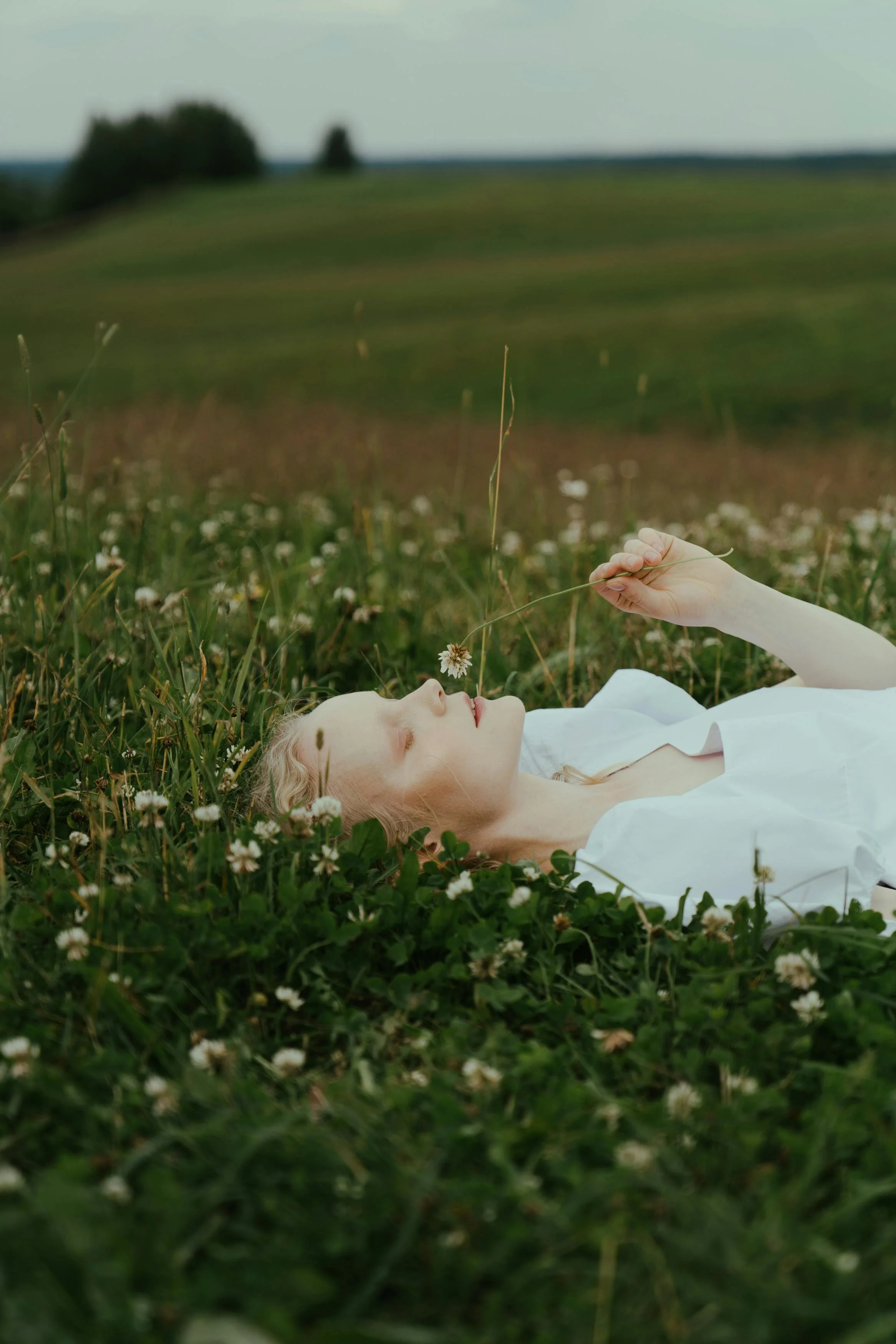
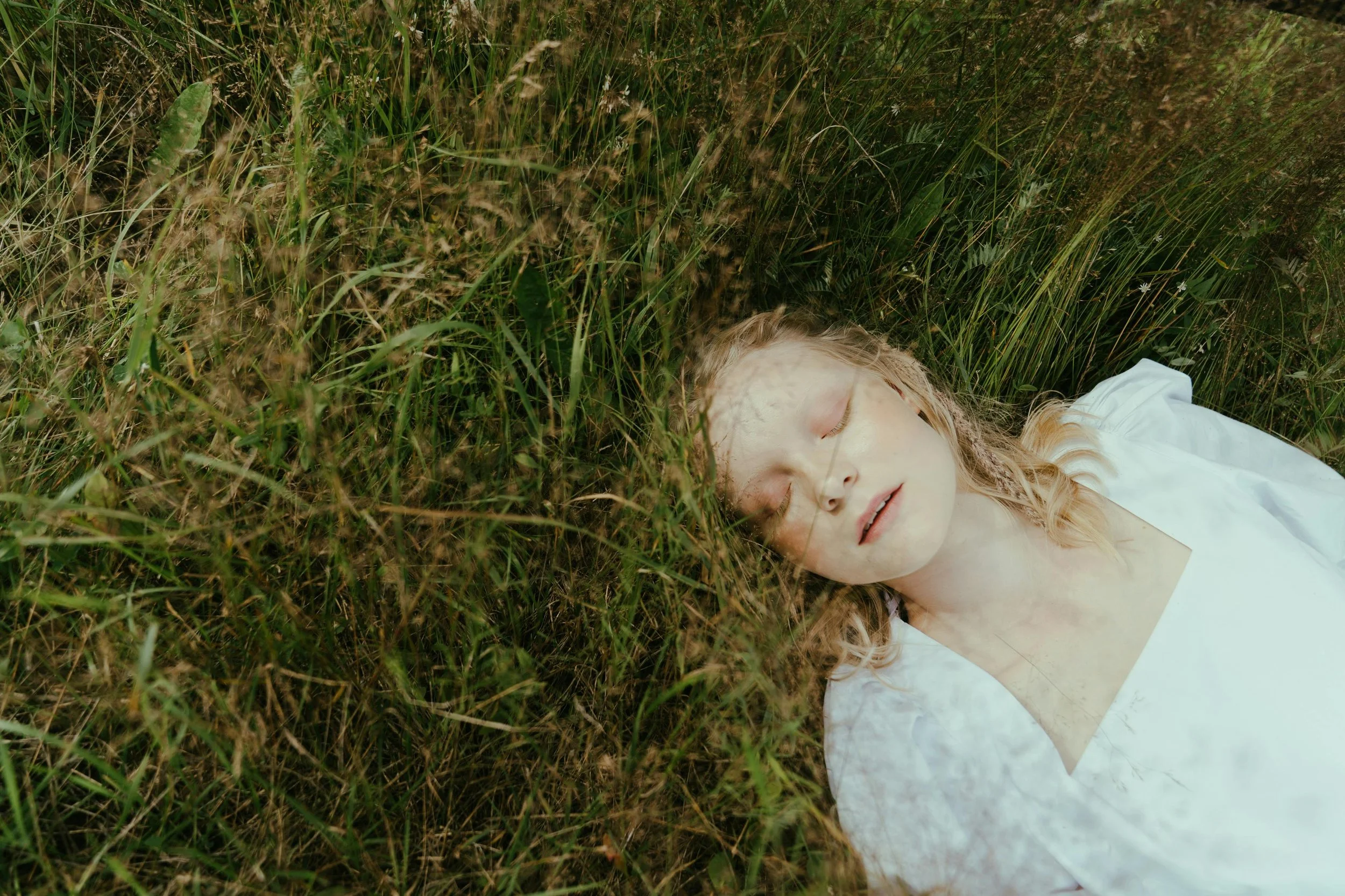
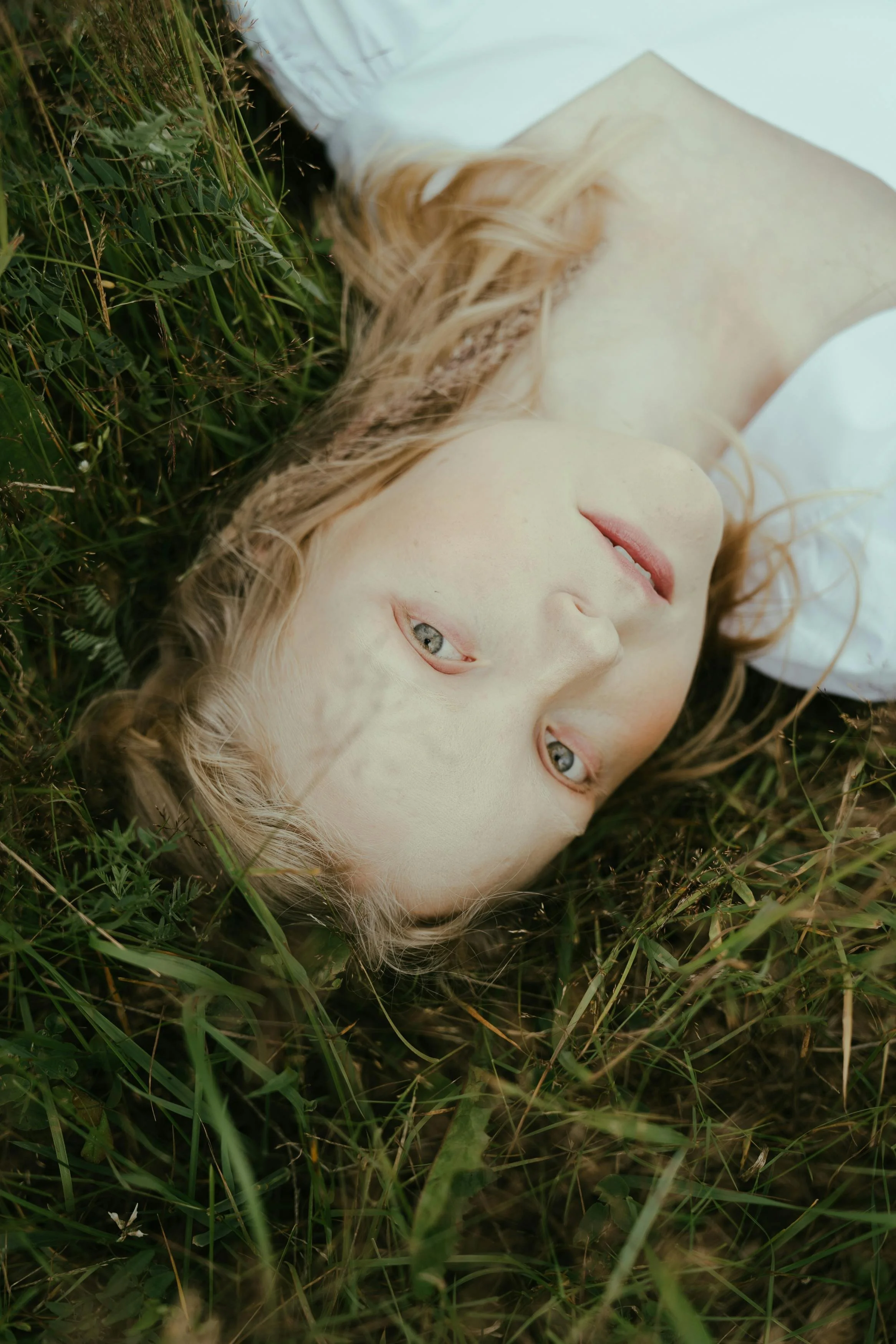
Something in them had shifted.
It was not always visible, but it was always felt.
In the weeks that followed her return, small things began to reorganize around her. Plants seemed to respond to her presence. Not dramatically, not in ways that could be proven, but enough to be noticed. Animals approached her without hesitation. Women, especially, found themselves drawn to her, though they could not always articulate why. They came with questions they had not known they were carrying. Questions about the body, about longing, about the quiet unrest that seemed to rise with the warming of the earth.
She did not call herself anything. Not a healer. Not a seer. She did not name what had happened to her.
But she listened.
And those who paid attention began to understand that what had changed was not her form, but her orientation to life itself. She no longer moved as someone contained by the world she inhabited. She moved as someone in conversation with it. As if the boundary between her and the living field around her had thinned, just as the old ones had always said it would.
There are reasons these stories persist. Not because they can be proven, but because they remain recognizable. Even now, April carries that same undercurrent. A subtle stirring that cannot be fully explained by weather or light alone. It arrives in the body first. In restlessness. In memory. In a kind of quiet alertness that does not always make sense.
In older traditions, this was never dismissed as imagination. It was understood as response. The earth shifting, and the body answering.
The woman who walked beyond the edge of her village was not the first. She would not be the last. What happened to her was not an exception, but an expression of something cyclical. Something that returns each year, whether it is acknowledged or not.
Because spring does not simply bloom.
It calls.
And sometimes, someone follows.