

The Woman Who Figured Out the Secret to Immortality
Image Courtesy Library of Congress by Gotfryd, Bernard, photographer Article by Bruja’s Circle
For centuries, humans have searched for immortality. Ancient myths tell of elixirs, sacred waters, and hidden knowledge that could allow a person to live forever. Alchemists experimented with strange substances. Kings and emperors sent explorers across oceans looking for fountains of youth. Entire philosophies were built around the desire to escape time. But immortality rarely looks like the legends imagine it. Sometimes it looks like a woman sitting quietly at a desk, writing. Joyce Carol Oates has spent more than half a century doing exactly that. While many writers produce a handful of books in their lifetime, Oates has written dozens of novels, hundreds of short stories, essays, and poems. Her body of work stretches across generations, touching subjects as varied as violence, identity, family, history, and the strange emotional terrain of ordinary life.
Looking at the scale of her work, one begins to suspect that Oates may have discovered something others have missed.
Not a potion. Not a secret ritual. But a different form of immortality.
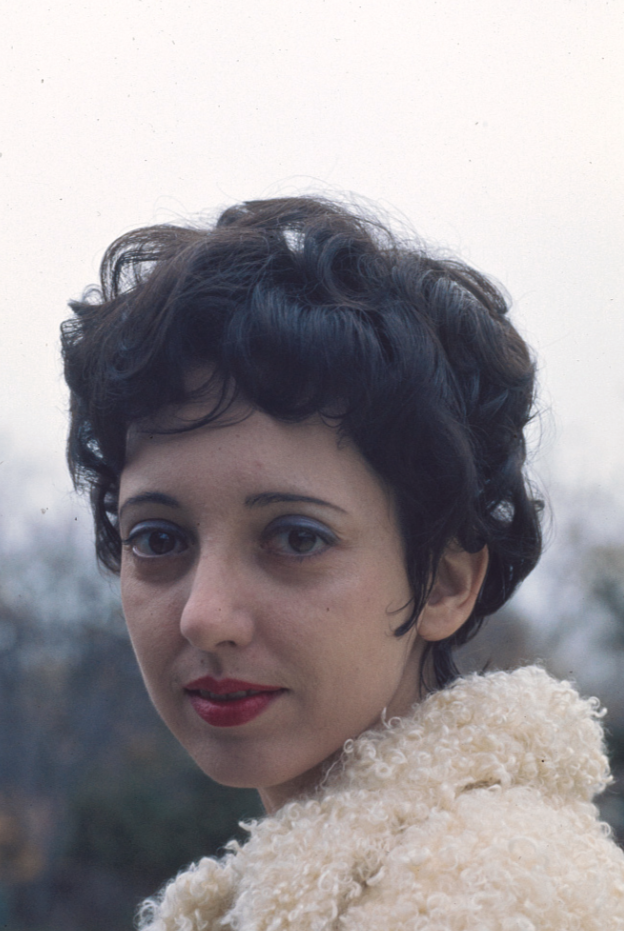
Writing as a Way of Remaining
Every story preserves a moment of consciousness. When a writer records an observation, an emotion, or a piece of the human experience, it does not disappear with time. It becomes part of a larger conversation that continues long after the writer is gone. Readers open a book decades or centuries later and suddenly find themselves face to face with another mind. The distance between past and present collapses. In this way, literature becomes a kind of time travel. Oates has spoken often about discipline rather than inspiration. Writing, in her view, is not something that waits for perfect conditions. It is something that happens every day, through persistence and attention. That consistency may be the real secret.
The Legacy of Attention
Many people assume immortality belongs to extraordinary moments. Great discoveries. Historic achievements. Dramatic events. But writers understand something different. Immortality can grow out of careful observation. The small details of life that might otherwise be forgotten. The texture of a conversation. The tension in a room. The quiet thoughts that pass through someone’s mind at night. When these moments are captured in language, they remain accessible to future readers. A person does not need to live forever for their perspective to endure. Their voice simply needs to be recorded.
Women and the Question of Legacy
For much of history, the literary world did not easily grant women this kind of permanence. Many women wrote, but their work was overlooked, unpublished, or dismissed as insignificant. The idea that a woman could leave a lasting intellectual or artistic legacy was often treated as secondary to other roles society expected her to fulfill. Writers like Joyce Carol Oates changed that narrative. Through sheer persistence and dedication to the craft, she created a body of work so extensive that it cannot be ignored. Her stories continue to circulate through classrooms, libraries, and private collections around the world. Her voice travels farther each year.
A Different Kind of Immortality
The secret to immortality, it turns out, may not involve escaping death at all. It may simply require creating something that continues to speak. A story that moves someone decades from now. A sentence that lingers in the mind. A book that becomes part of another person’s life. Joyce Carol Oates did not set out to defeat time. She simply kept writing. Yet through that practice, she achieved something remarkable. Her work has become part of the cultural memory that shapes how people understand the world.
That is its own form of permanence. And perhaps that is the real secret.