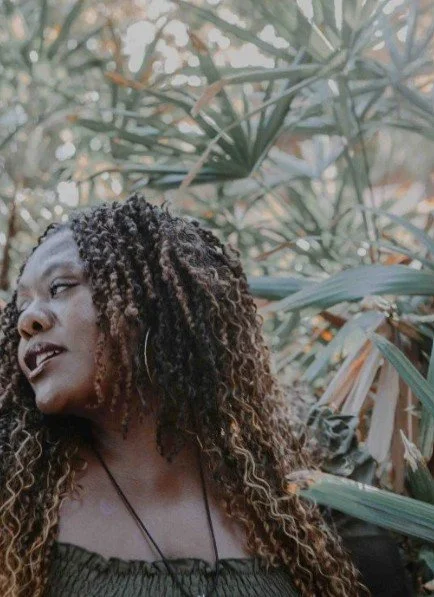

Rooms in Bloom: The Solstice Art of Romantic Living
Photography by Kseniya Budko
A vase overflowing with peonies beside an unmade bed. Morning light spilling across linen sheets. A weathered book left open near a window where the summer air drifts through. These moments feel romantic because they speak to something deeper than design.
At the Summer Solstice, beauty has always carried meaning.
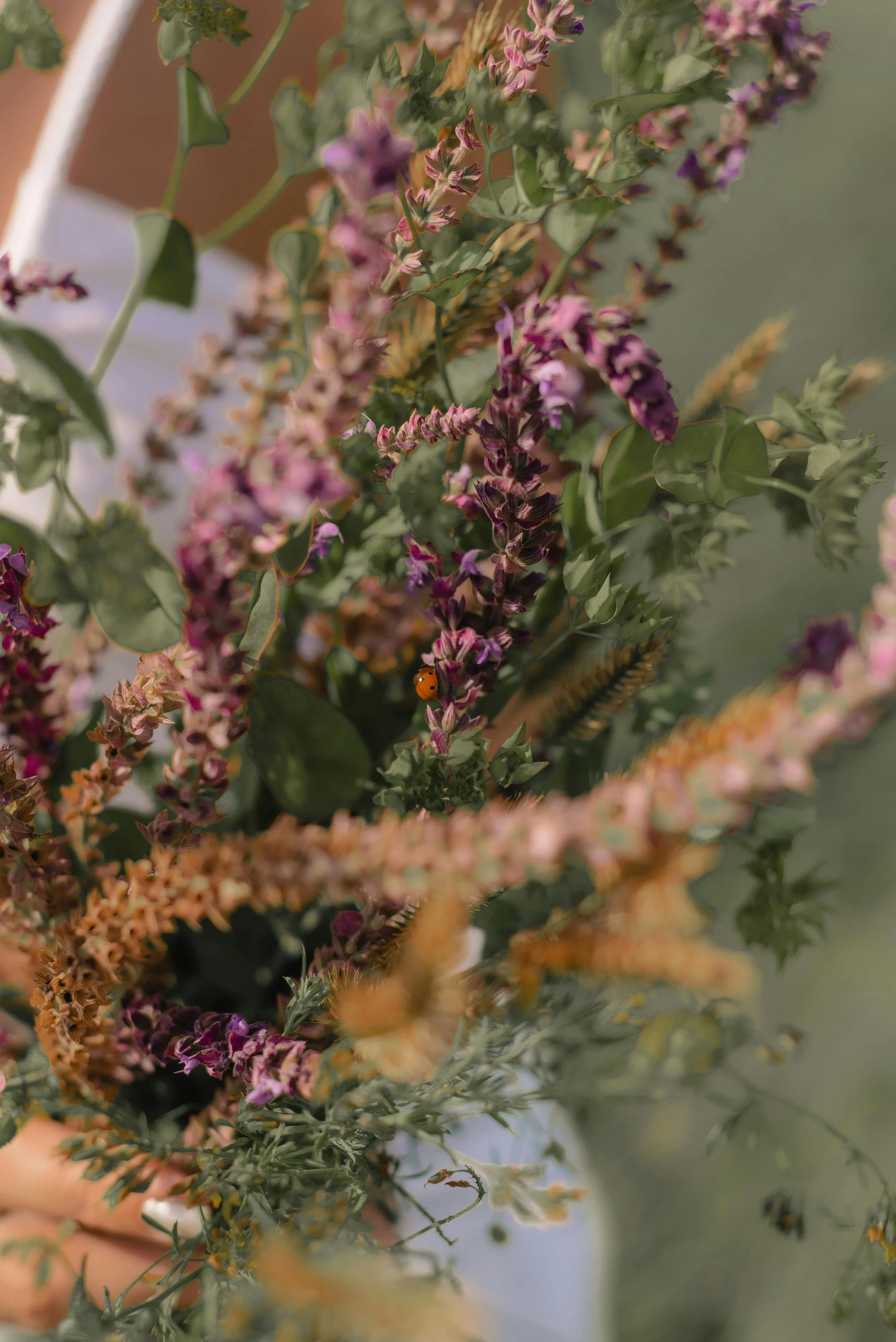
The longest day of the year arrives when the natural world is at its most expressive. Gardens swell beyond their borders. Roses climb, blossom, and spill into pathways. Herbs stretch toward the sun. Fields erupt in color. Nature is no longer preparing to bloom. It is blooming.
For centuries, women recognized this season as a sacred threshold. Across Europe, Latin America, and countless folk traditions, the Solstice was celebrated not only outdoors but inside the home. Flowers were gathered and displayed as symbols of abundance. Herbs such as mugwort, rosemary, lavender, and St. John's Wort were collected at their peak potency and hung above doorways or windows. Bouquets adorned tables, bedrooms, and altars. The home itself became an extension of the season.
In traditions of brujería and folk magic, flowers were never simply decorative. They carried intention.
The rose, perhaps the most beloved flower of summer, has long been associated with love, beauty, desire, devotion, and feminine power. Peonies symbolize prosperity, abundance, protection, and good fortune. Lavender brings peace. Rosemary invites remembrance. Each bloom carried a story, a purpose, and a blessing. Many of these practices survive today, though often under different names. We buy flowers because they make a room feel beautiful. We place them on kitchen tables, beside beds, or near windows without always realizing that women have been performing variations of the same ritual for generations. What appears decorative can also be devotional.
This is the heart of romantic living. But the deliberate cultivation of beauty as a form of self-respect.
The Solstice reminds us that beauty is not frivolous. Throughout history, women have used flowers, candles, textiles, fragrance, and ritual to transform ordinary spaces into places of comfort, healing, and enchantment. These acts were often small, but they carried enormous meaning.
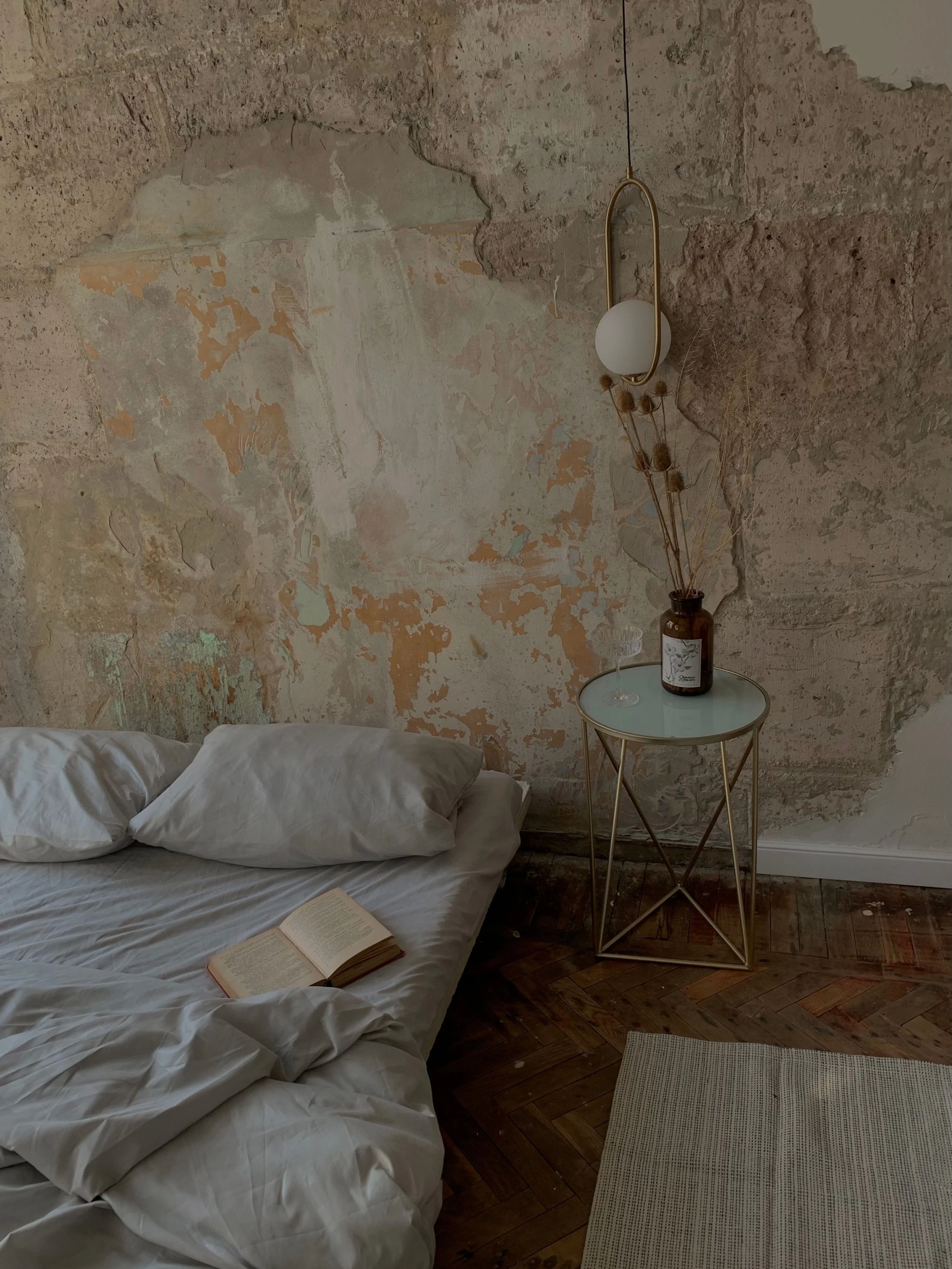
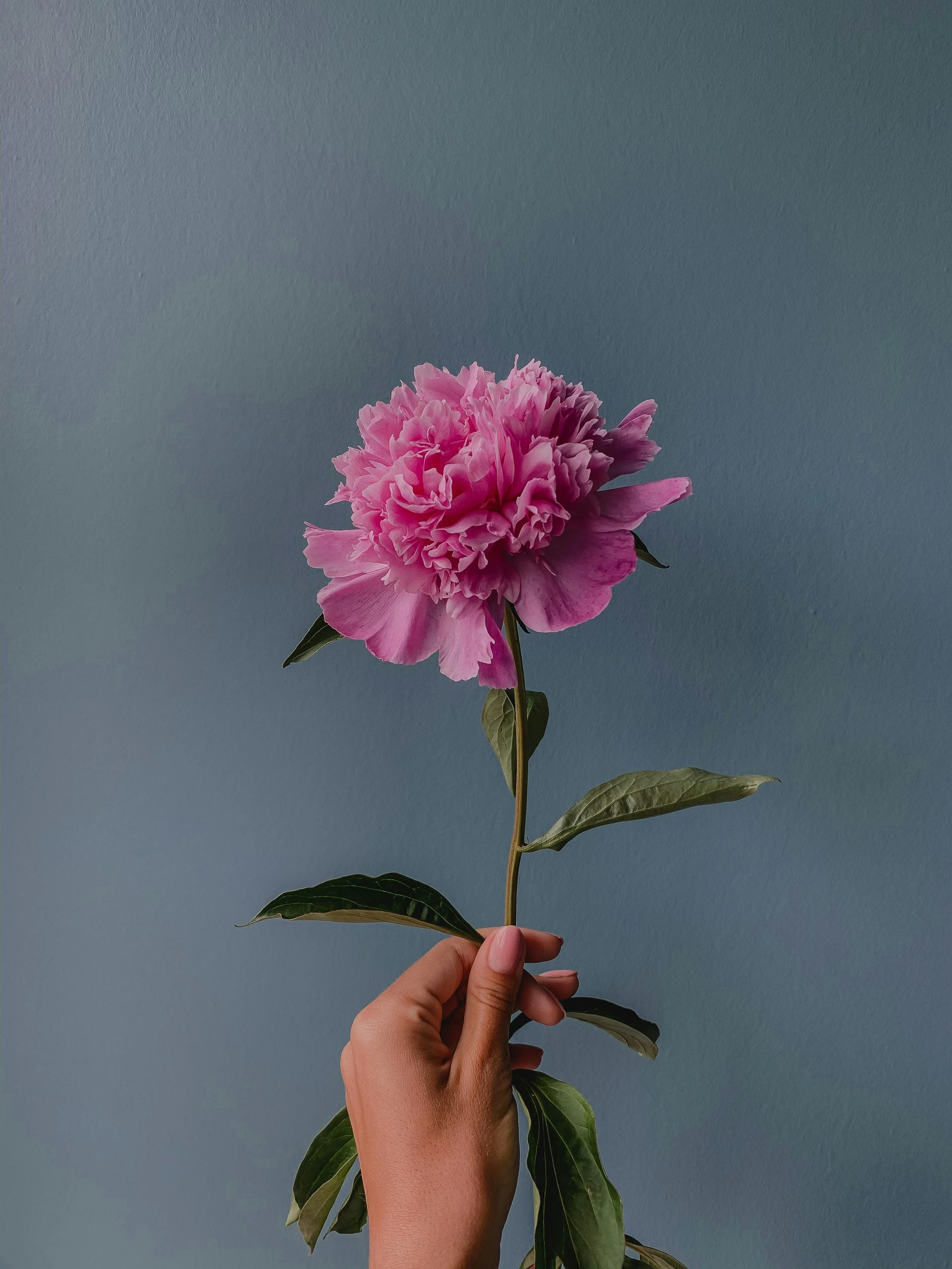
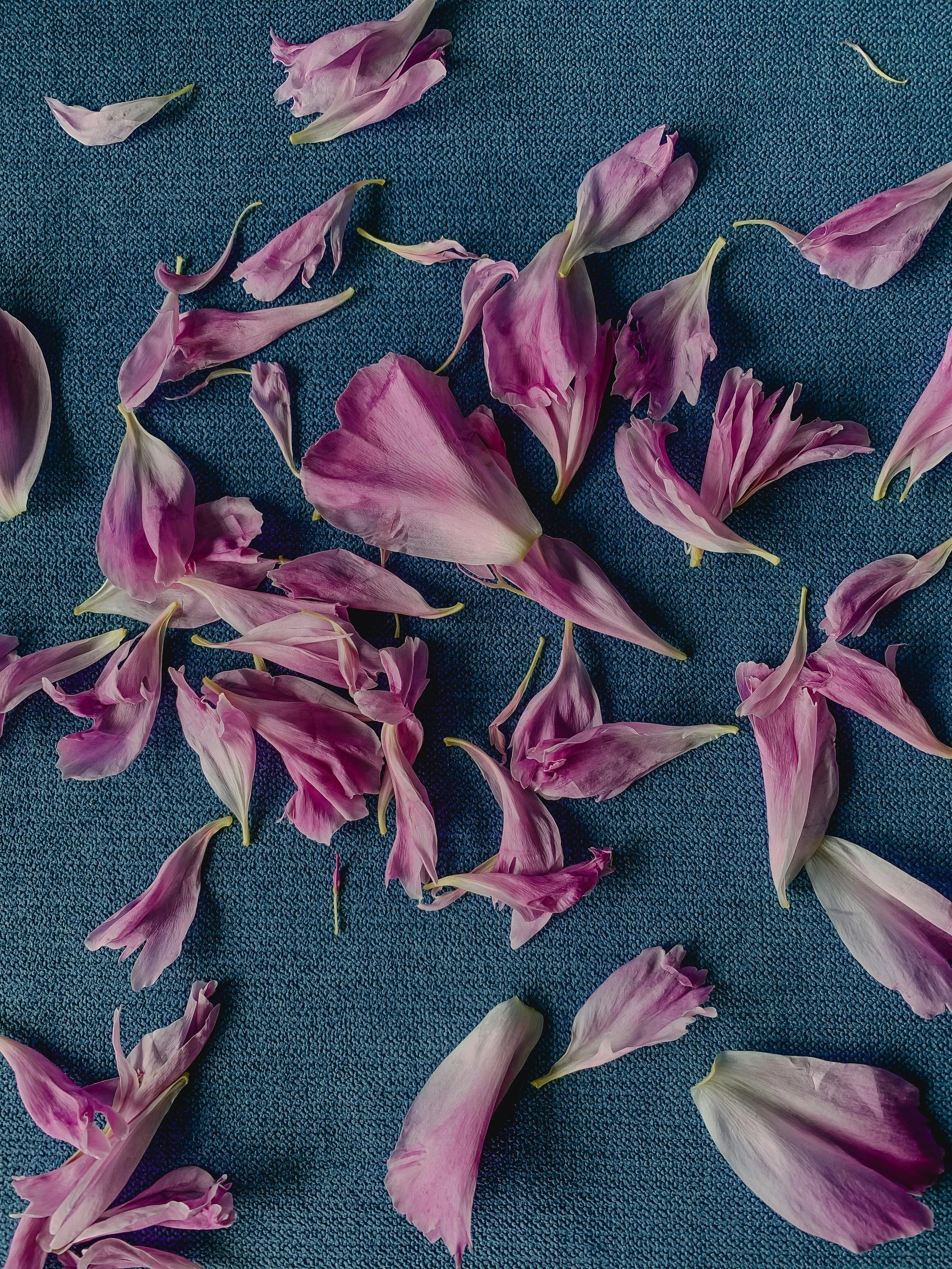
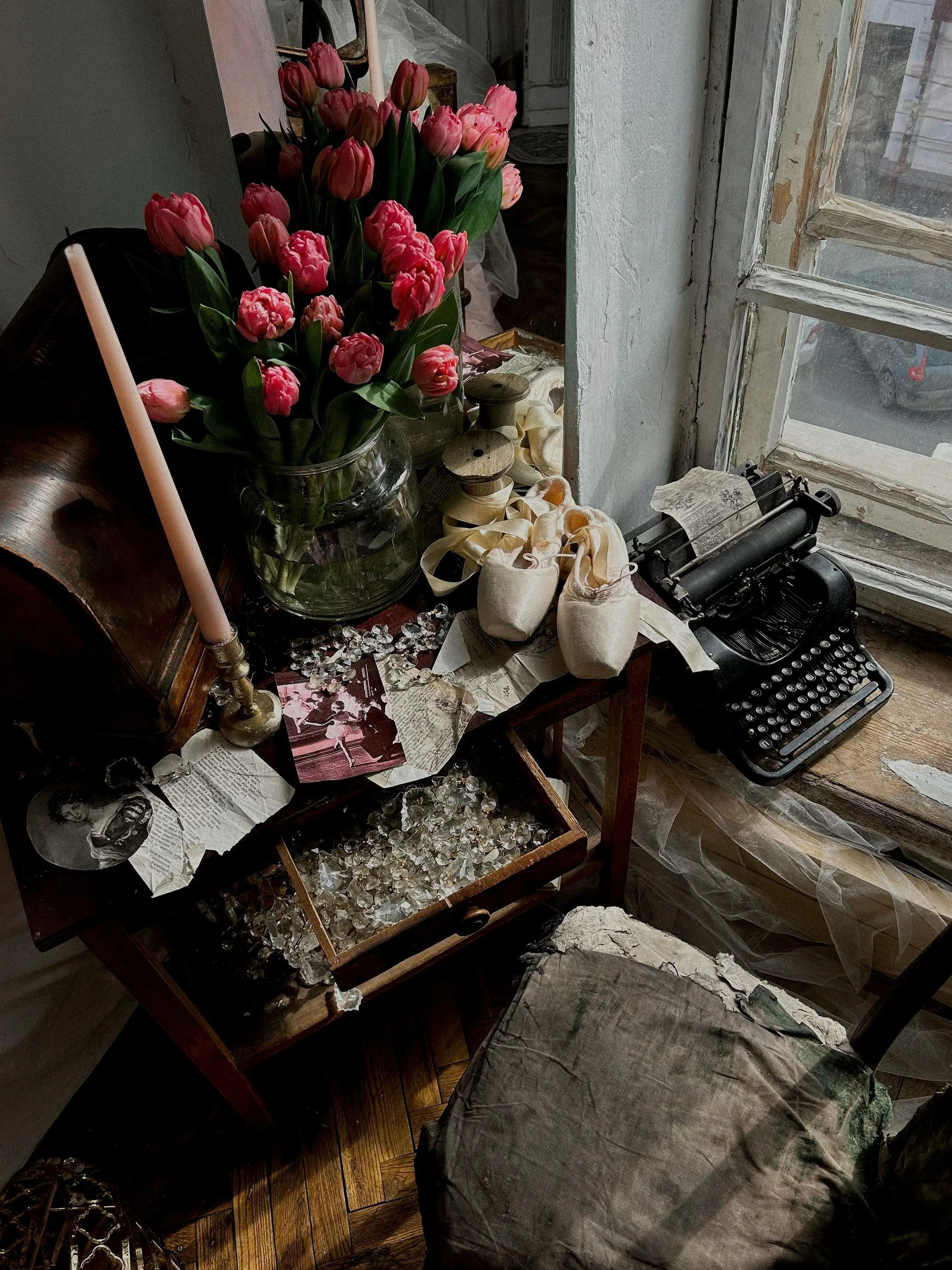
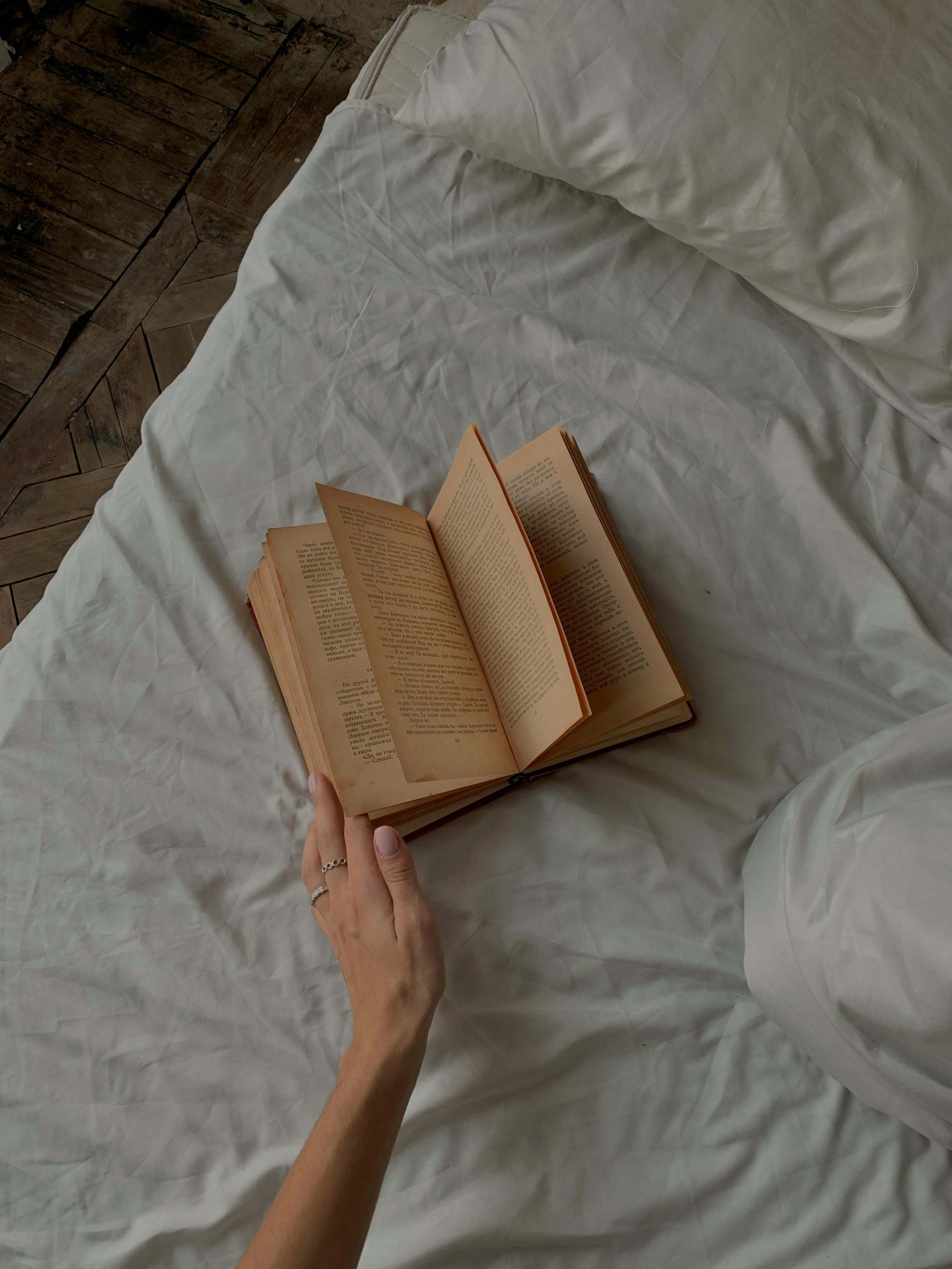
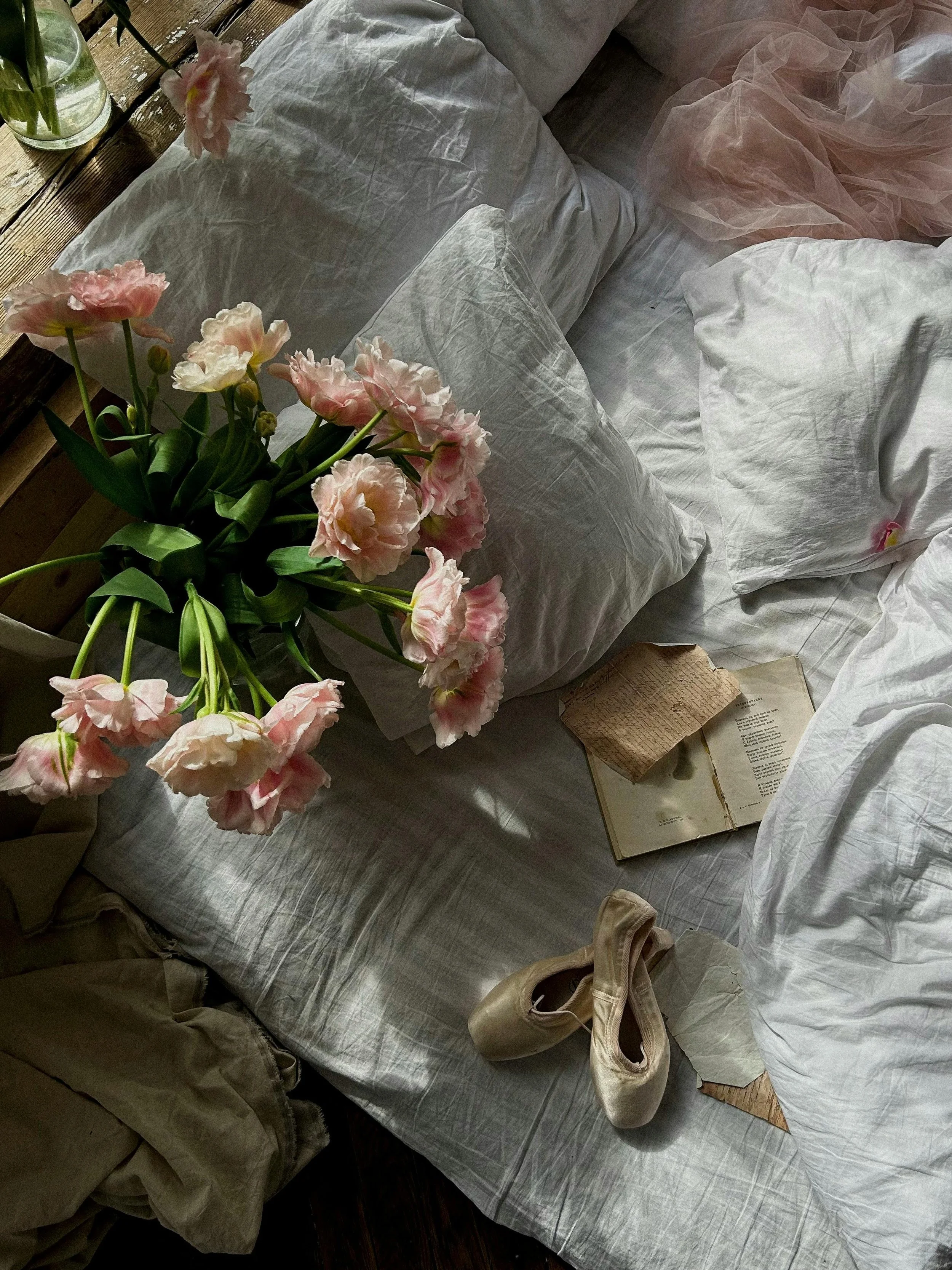
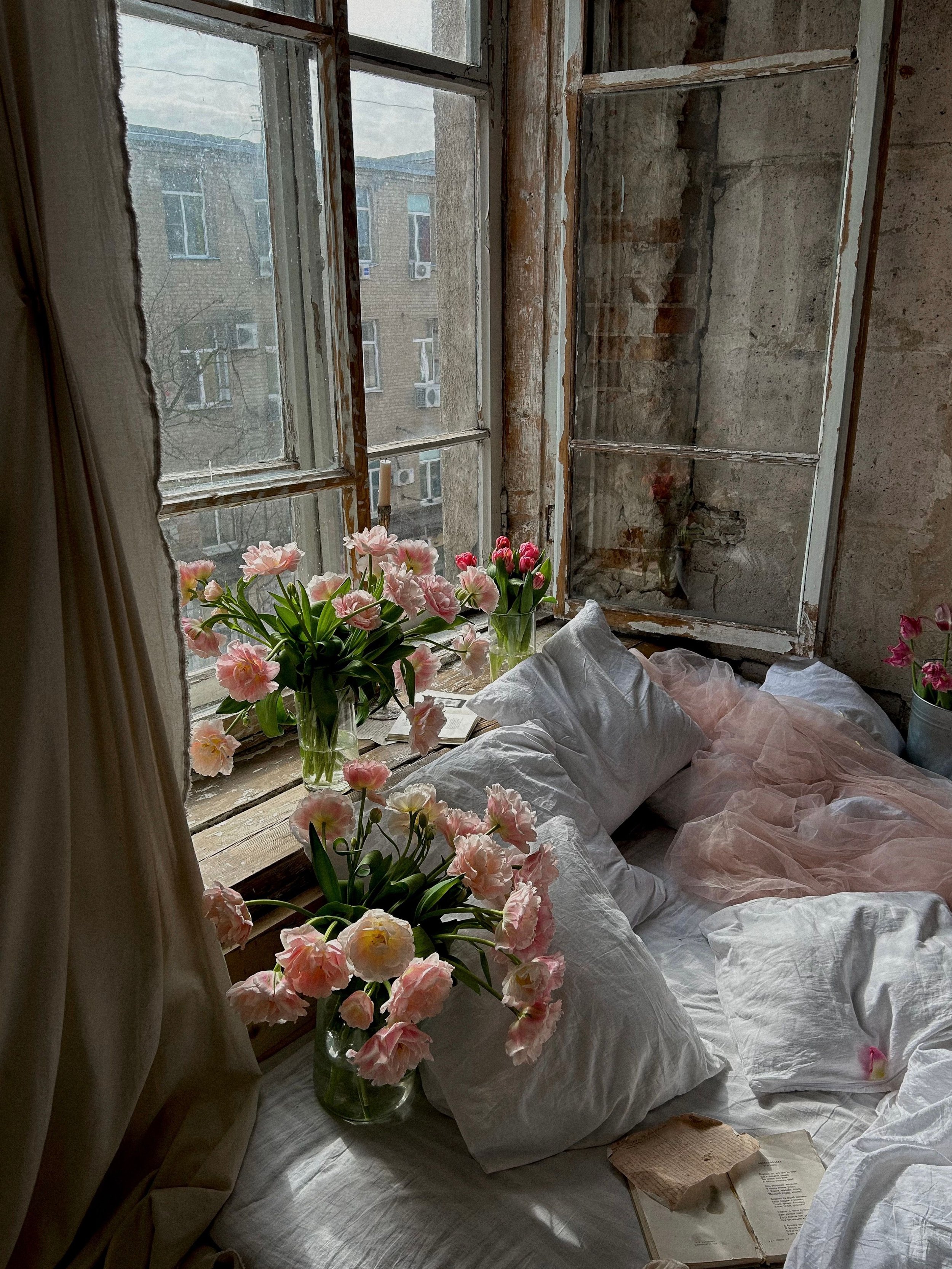
A home filled with flowers becomes a reminder of abundance. An open window becomes an invitation to possibility.A candle lit at dusk becomes a gesture of presence. In this way, the romantic home becomes a love letter - not to a partner, but to oneself.
Perhaps that is why these interiors feel so compelling. The overflowing peonies, soft linens, faded walls, and golden light are not simply aesthetic choices. They reflect a philosophy. A belief that life deserves to be beautiful now, not someday.
The Summer Solstice asks us to embrace the same wisdom found within the garden itself. A rose does not wait until it is perfect to bloom. A peony does not apologize for taking up space. Both unfold fully into what they were meant to become.
The invitation of the season is the same.
Fill the room with flowers.
Open the windows.
Let sunlight linger.
Fall in love with your own life.
And remember that some of the oldest forms of magic begin at home.