
WHEN THE ALTAR BECOMES THE ROOM
Photography by RDNE Stock
The rise of occult interiors that feel lived in, not performed
For years, mystical home décor was treated like seasonal novelty - plastic moons in October, mass-produced tarot tapestries, a few crystal shelves, maybe a black candle or two placed somewhere for effect. It was aesthetic shorthand, not atmosphere.
But lately something has shifted.
Across bedrooms, reading corners, writing desks, and home studios, more women are designing spaces that do not simply reference spirituality, but quietly function as personal sanctuaries. The altar is no longer a single shelf. It is beginning to absorb the room around it.
That distinction matters.
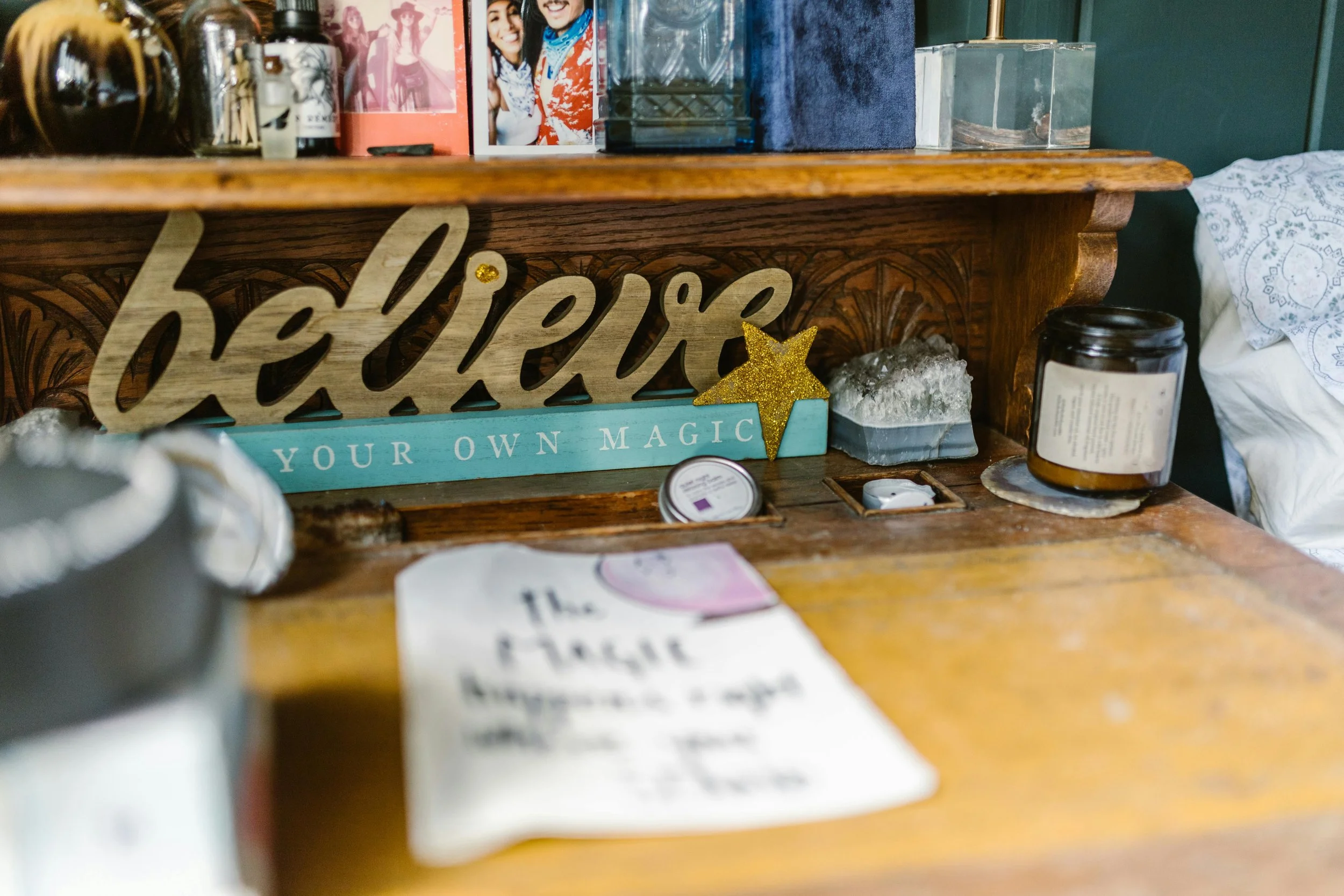
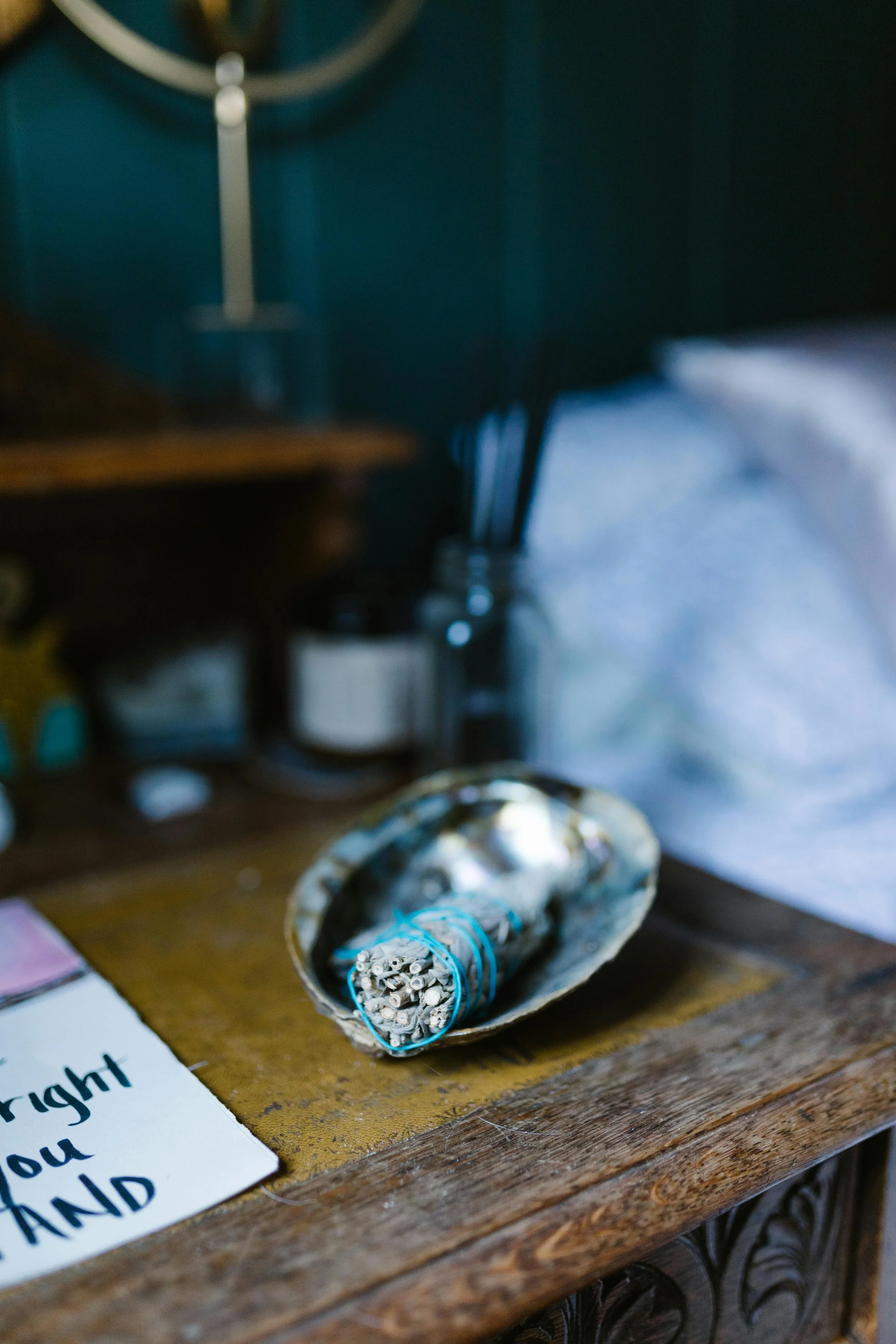
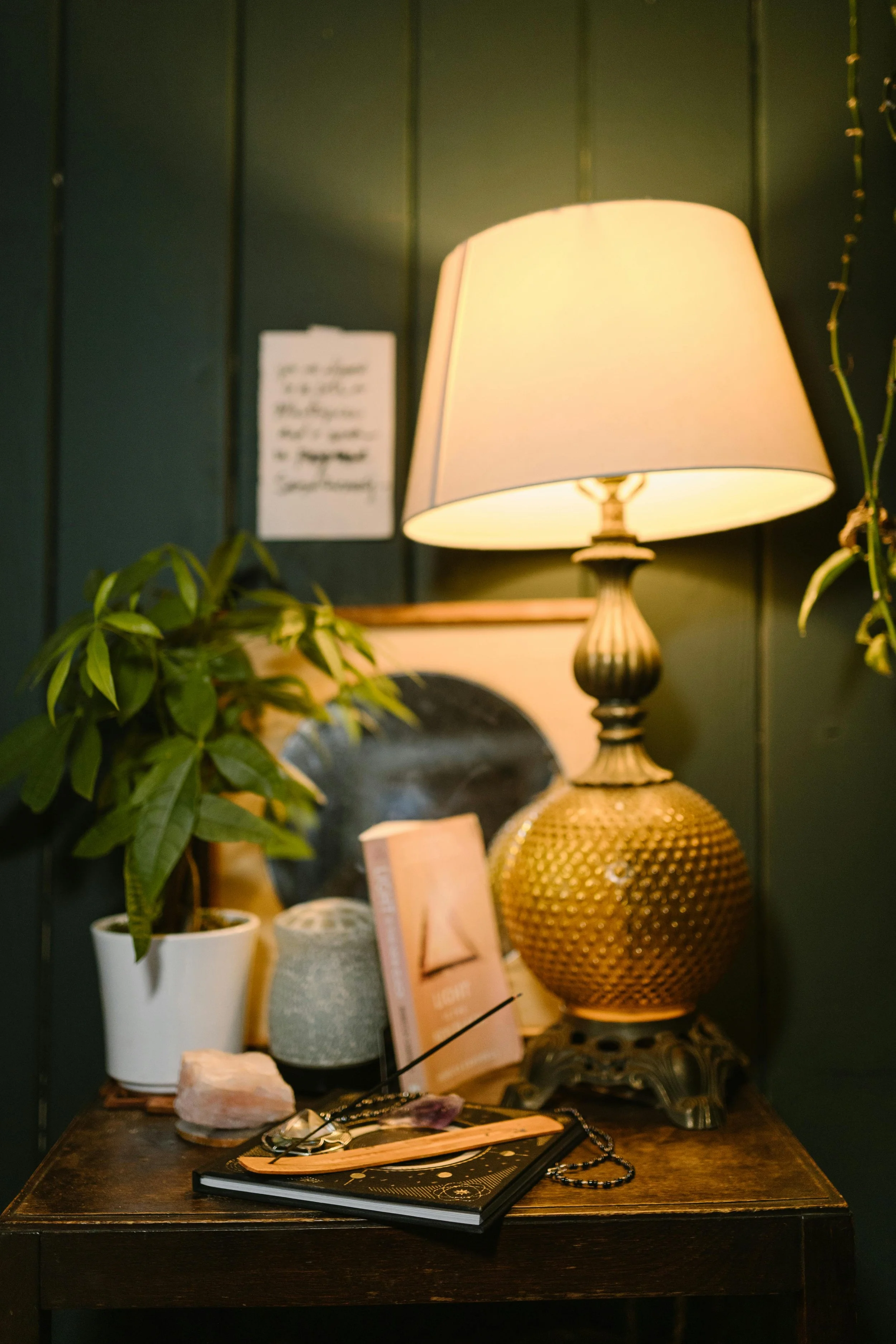
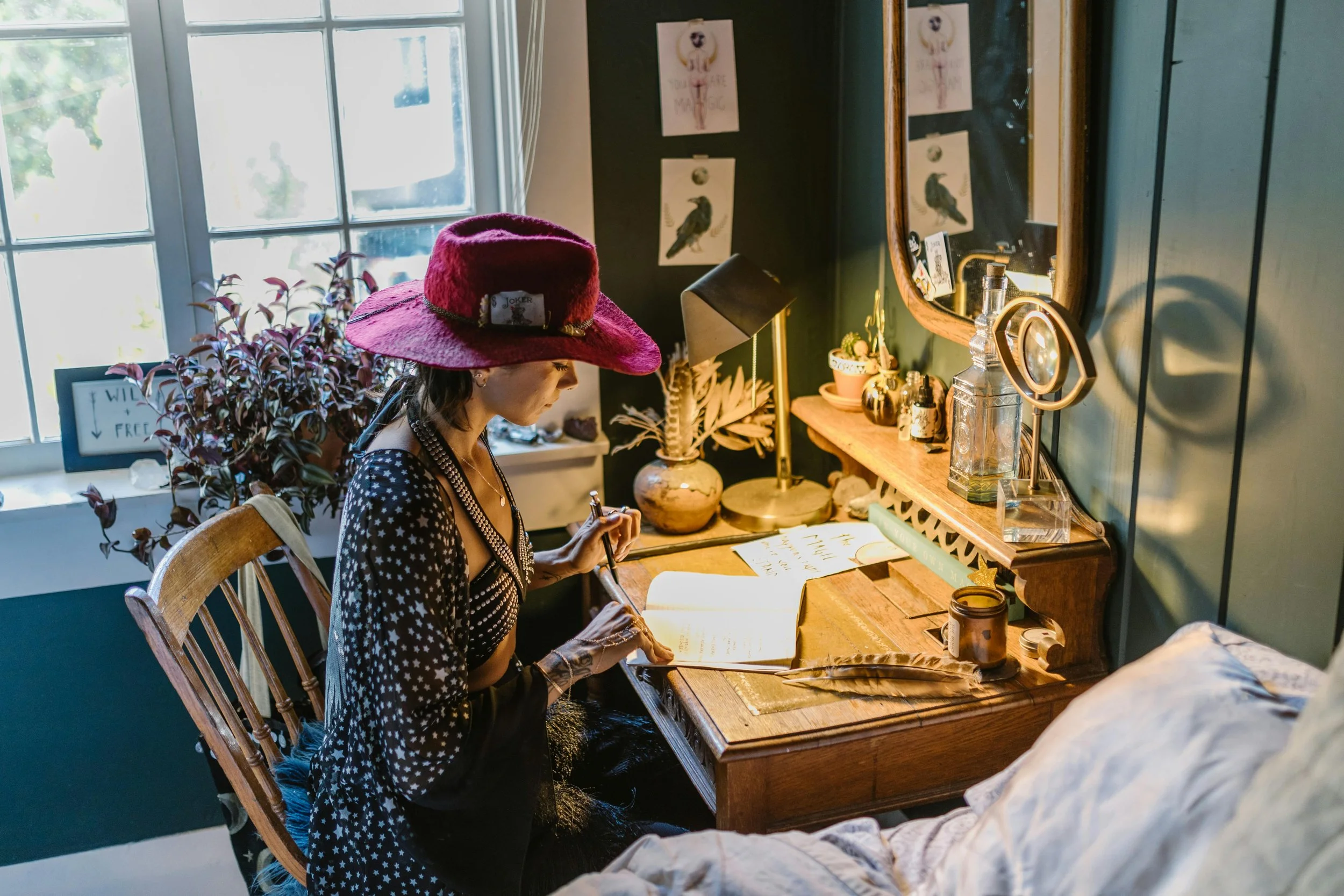
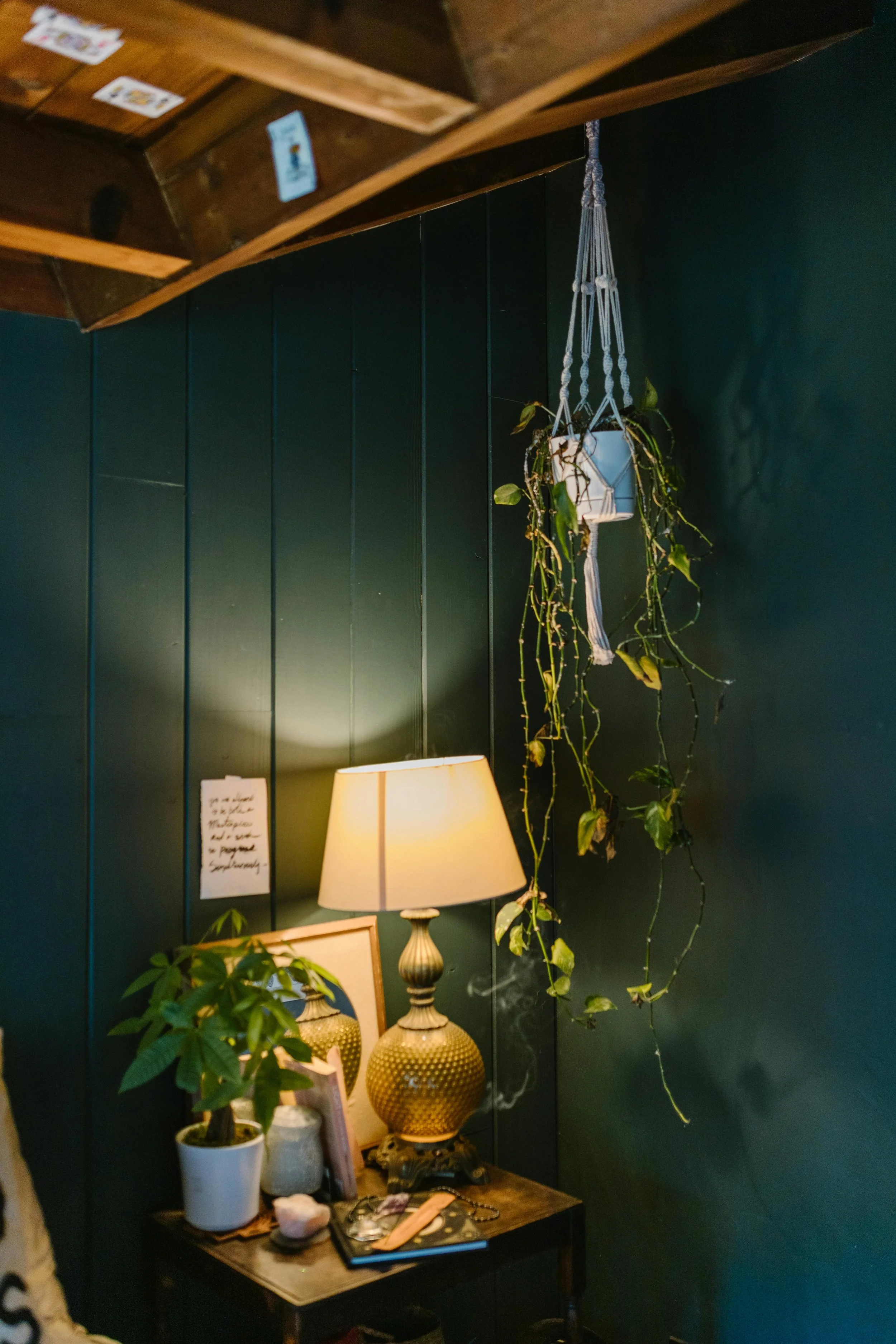
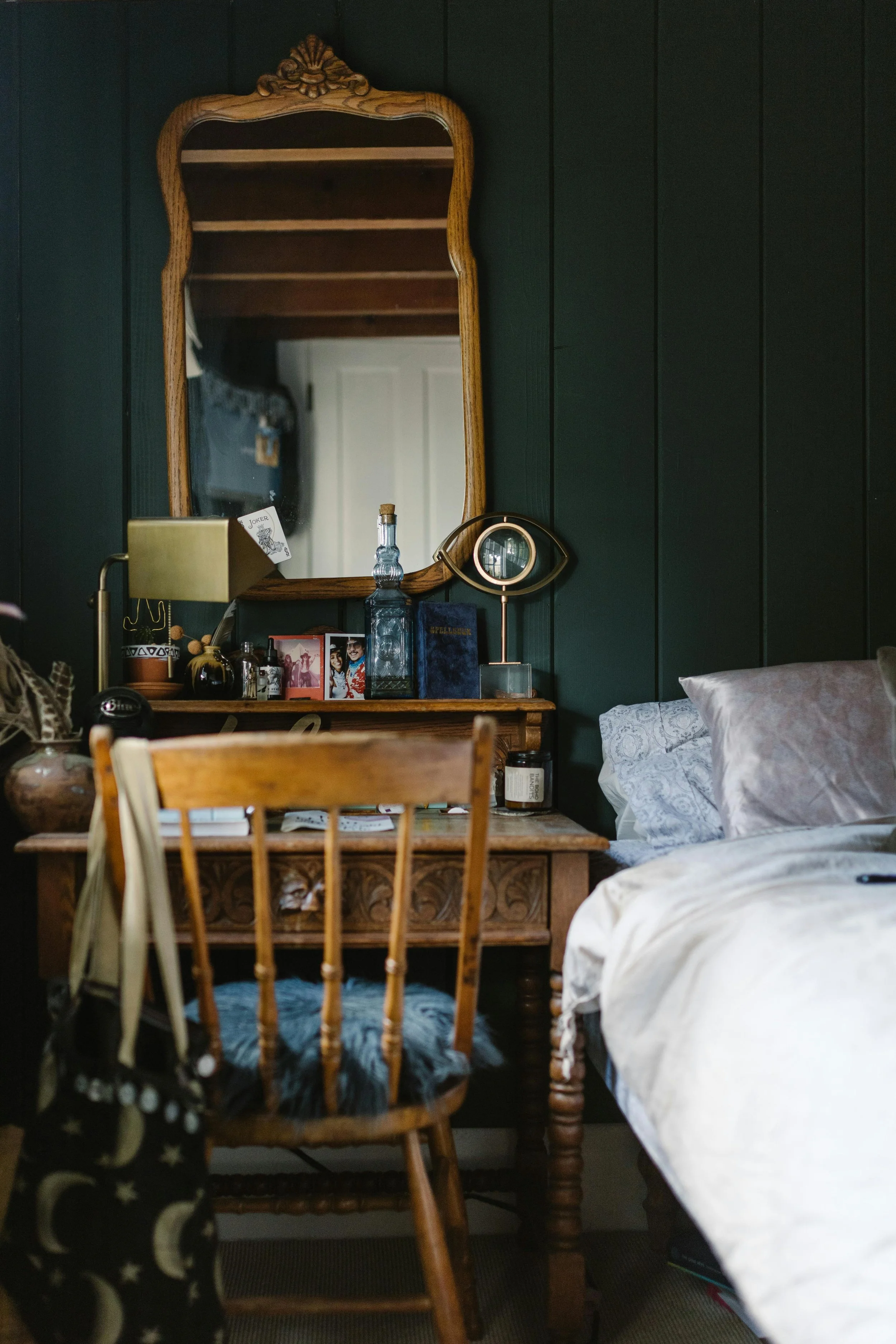
A lived-in occult interior does not announce itself loudly. It works through accumulation: dark painted walls, warm lamplight, old wood, handwritten notes, smoke trails, small bottles, mirrors, dried plants, books left open, objects with no obvious explanation except that they belong there. Spirituality becomes less about display and more about texture.
These rooms understand something modern minimalist interiors often miss - people think better when surrounded by symbols.
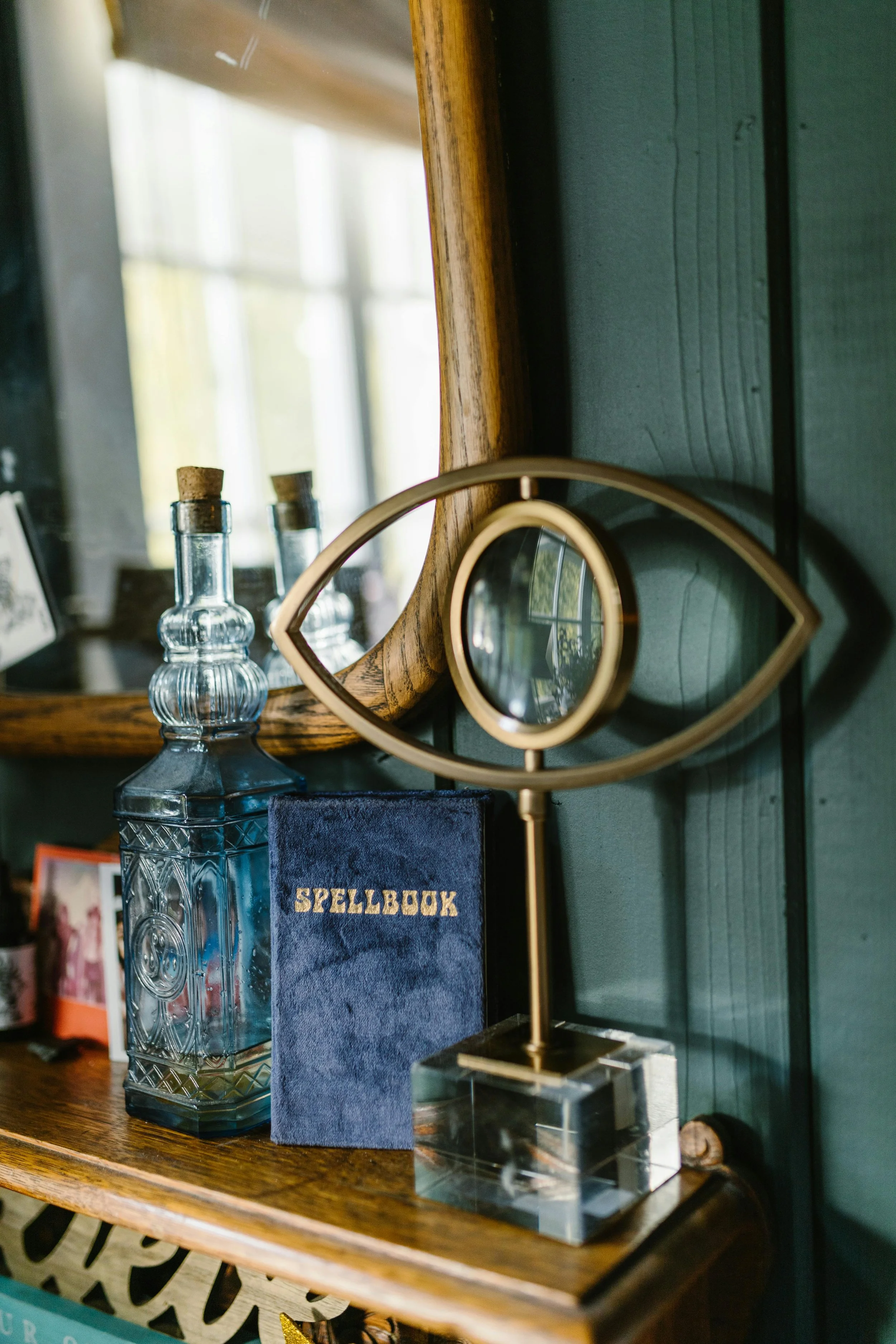
A desk with incense ash, a spellbook, a feather, a magnifying eye, a tucked tarot card, a plant reaching toward the light, a candle burned halfway down: none of it is accidental. Together these details create a visual language of pause. The room begins telling the nervous system that this is not merely where tasks happen. This is where reflection happens.
Color plays a major role in why this style works.
Deep forest walls absorb noise. Brass and amber lighting warm the darkness. Aged wood keeps the occult from feeling sterile. White bedding and pale crystal surfaces stop the palette from collapsing into heaviness. The result is not gothic clutter. It is restraint with mystery.
That may be why this design movement feels particularly right for late spring.
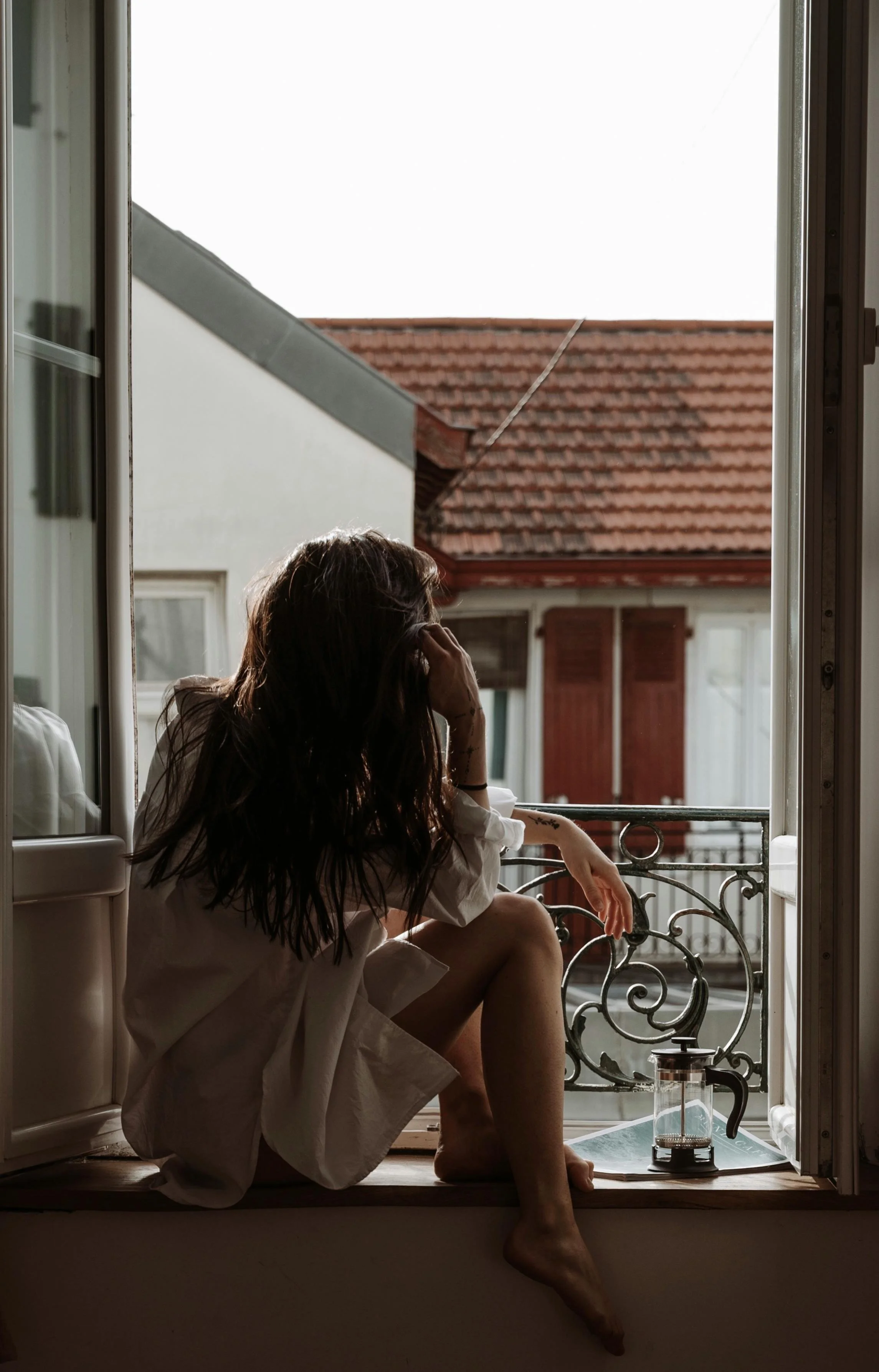
By May, many people begin cleaning, opening windows, rearranging corners, and wanting their homes to feel mentally reset. Yet not everyone wants bright coastal minimalism and blank white calm. Some homes need grounding more than emptiness. Dark, symbolic interiors offer that groundedness. They create enclosure, focus, and the subtle feeling that private rituals still have a place inside ordinary domestic life.