

SPIRITUALITY | Beyond the European Wheel of the Year
Photography Credit: Aidi Tanndy via Pexels. Texas-based photographer and model. Connect with Aidi Tanndy: Instagram | TikTok | YouTube | X
September arrives carrying a familiar spiritual vocabulary. Harvest. Equinox. Falling leaves. Lengthening nights. Altars dressed in amber and rust. Across modern witchcraft and contemporary spirituality, the month is often presented as a universal season of descent, a time when the earth begins withdrawing and humanity prepares to follow it inward.
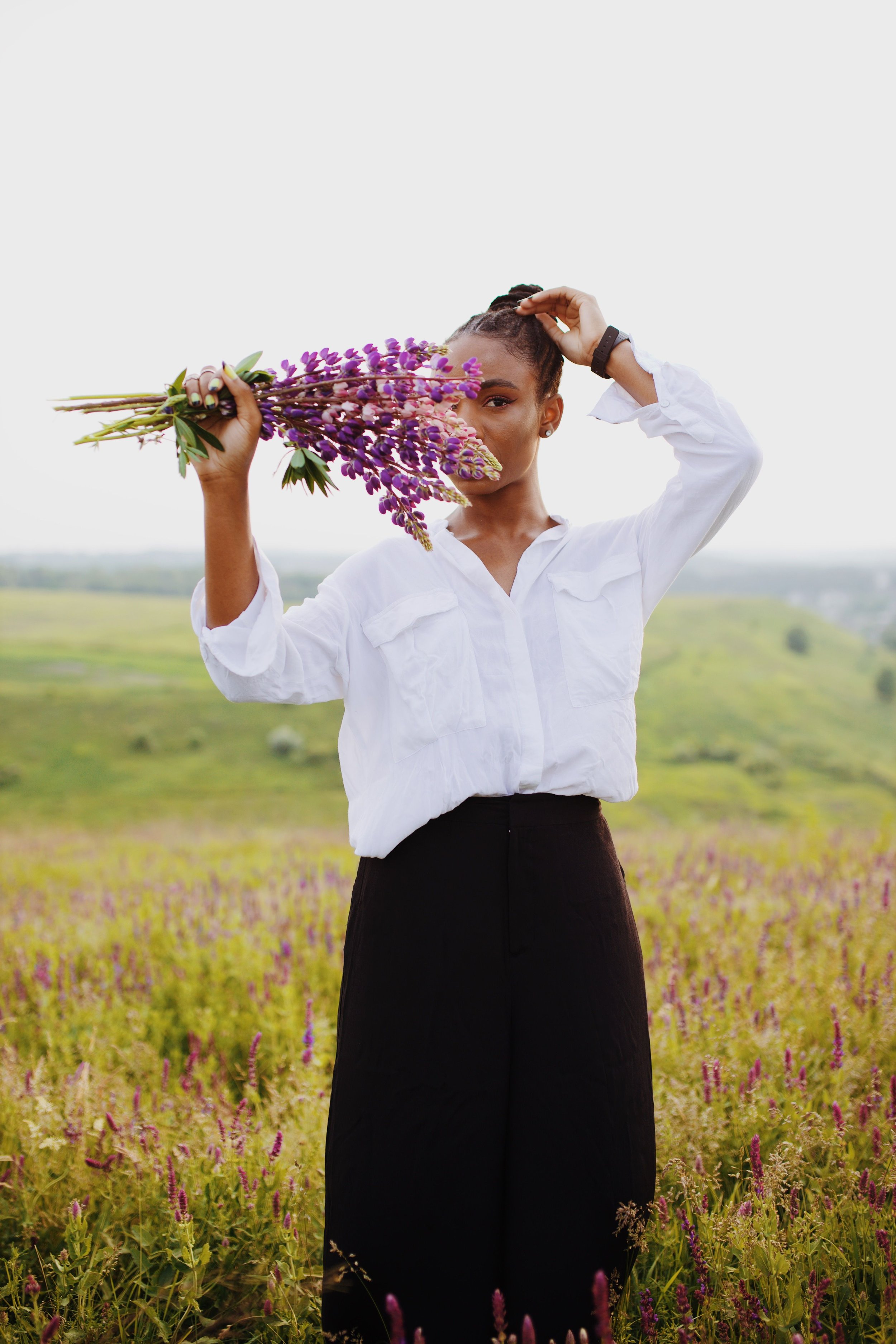
But September is not autumn everywhere.
Across much of Southern Africa, September announces spring. Near the equator, the dramatic four-season rhythm familiar to northern Europe may have little relevance at all. In many places, the meaningful seasonal transition is not summer becoming autumn, but dry season becoming rainy season, planting becoming harvest, abundance becoming scarcity.
This raises an important question for modern spirituality:
Whose seasons are we calling sacred?
The Wheel Is a Map, Not the World
The Wheel of the Year has become one of the most recognizable calendars in contemporary Paganism and modern witchcraft. Its eight festivals trace the solar year through solstices, equinoxes and seasonal observances commonly known today as Samhain, Yule, Imbolc, Ostara, Beltane, Litha, Lughnasadh and Mabon.
It can be a beautiful spiritual framework.
But it is still a framework.
The modern eightfold Wheel developed primarily through twentieth-century British Pagan movements, particularly Wicca and related traditions. Although individual festivals draw inspiration from older European customs, the complete system as many practitioners recognize it today is modern rather than a single intact calendar inherited unchanged from antiquity.
That distinction does not make the Wheel less meaningful.
It simply gives it a geography.
When spiritual practices travel, we sometimes forget the landscapes that produced them. September becomes associated with harvest because September is a harvest period for certain crops in certain climates. Darkness becomes the dominant metaphor because nights are lengthening in the Northern Hemisphere.
Move the practitioner thousands of miles away and the earth may be telling an entirely different story.
Africa Does Not Have One Spiritual Calendar
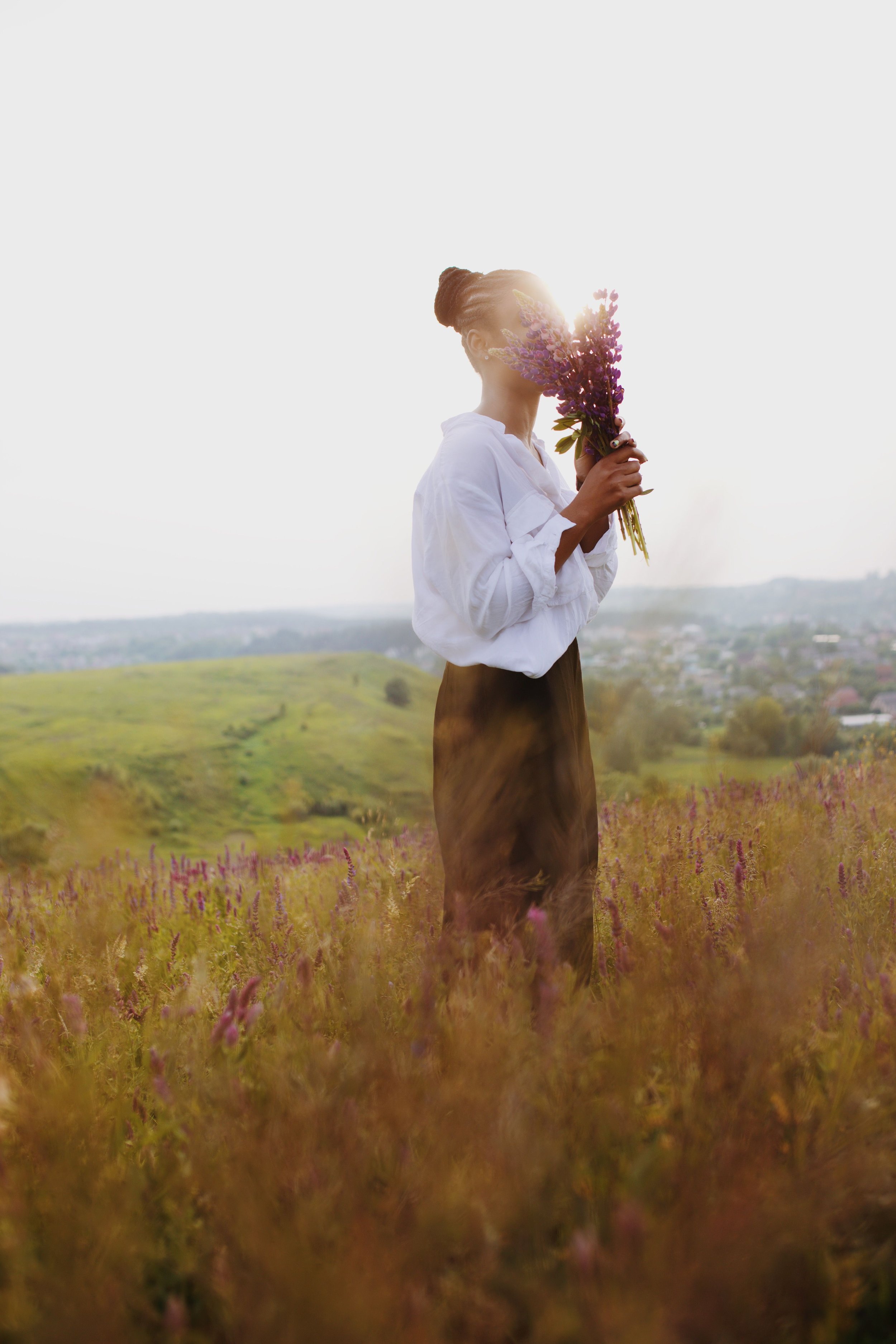
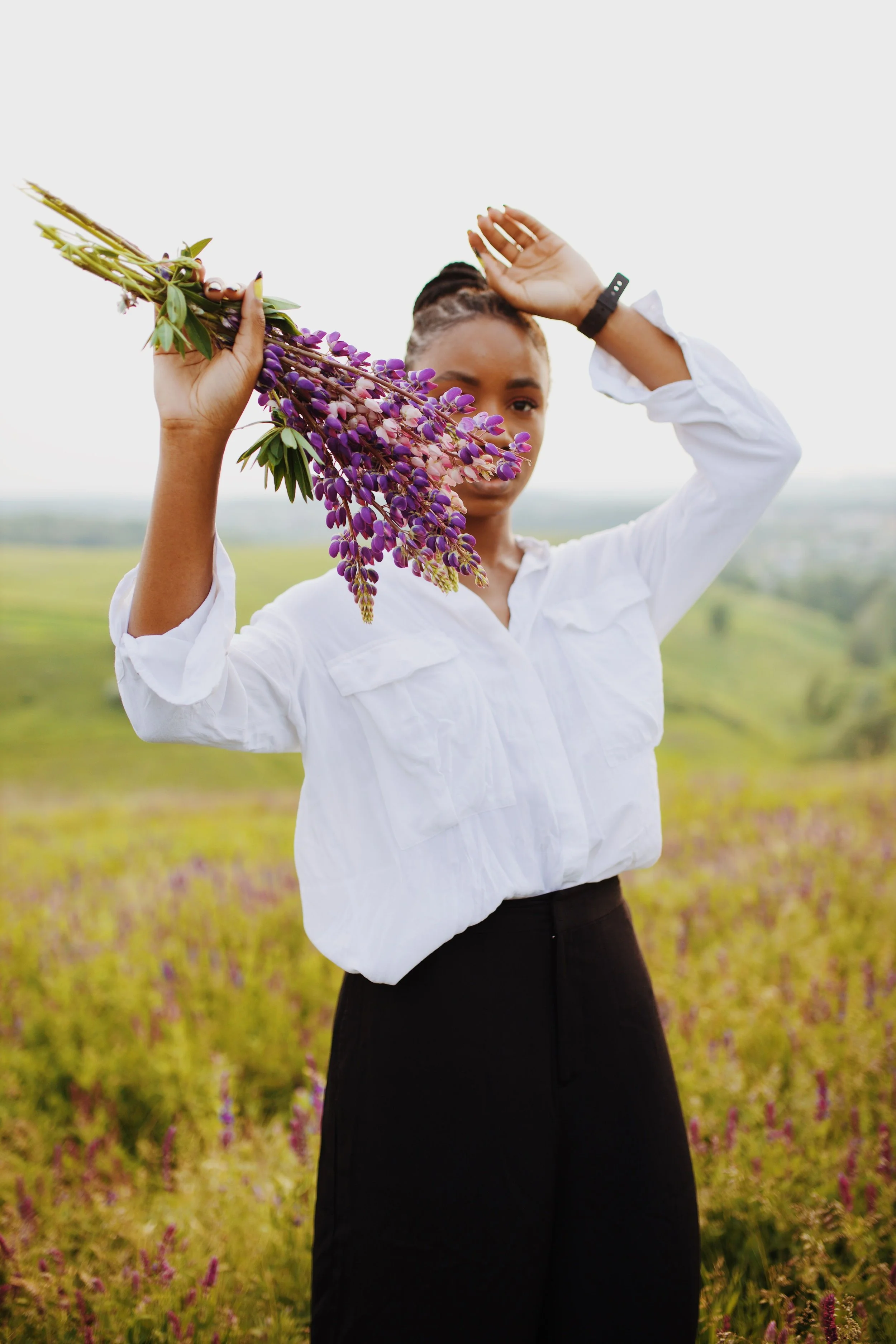
It is equally important not to replace one generalization with another.
There is no singular "African spirituality."
Africa contains thousands of ethnic groups, languages, religious traditions and ecological regions. The spiritual calendars of communities in Ghana, Nigeria, Ethiopia, Morocco, South Africa, Zimbabwe or the Congo Basin cannot responsibly be collapsed into one system.
What many traditional societies do demonstrate, however, is the importance of place.
Agricultural cycles, rainfall, rivers, livestock, lunar observation, planting periods, harvests and relationships with ancestors can all influence when ceremonies and communal observances occur.
The sacred year emerges from the environment people actually inhabit.
In regions where rainfall determines whether crops survive, the arrival of rain may carry greater spiritual significance than a European quarter-day. In agricultural communities, planting and harvest naturally become periods of prayer, offering, thanksgiving or communal gathering. In traditions where ancestors remain important members of the spiritual community, remembrance may be woven into family and communal life rather than reserved for a single autumn festival.
The calendar follows life.
When September Means Spring
The Southern Hemisphere offers perhaps the clearest challenge to a universal spiritual calendar.
While practitioners in Britain, Canada and much of the United States watch summer fade during September, people throughout Southern Africa are moving toward spring.
The same equinox occurs astronomically, but its seasonal meaning is reversed.
One hemisphere enters autumn.
The other enters spring.
One watches vegetation retreat.
The other watches it return.
This does not mean that spiritual practitioners in the Southern Hemisphere cannot work with traditions originating in the north. Many do. Some reverse seasonal correspondences. Others retain traditional festival dates because of religious lineage or cultural meaning. Still others develop practices rooted in their local climate.
There does not have to be one correct response.
But there should be awareness.
A spirituality rooted in nature should occasionally look outside and ask nature what it is actually doing.
Rain Can Be a Sacred Season
Western conversations about seasonal spirituality often organize the year through four categories: spring, summer, autumn and winter.
That model is not universal.
Many tropical and subtropical regions experience the year more meaningfully through wet and dry seasons. Temperature may change far less dramatically than rainfall. Rivers rise and retreat. Vegetation responds. Animals migrate or reproduce. Agricultural work changes.
Under these conditions, rain can become its own threshold.
The first storm after a long dry period can transform a landscape within days. Seeds waiting invisibly in the soil respond. Water returns to places that had emptied. What appeared dead reveals that it was dormant.
Imagine building spiritual practice around that moment.
Not because a book assigns the rain a correspondence, but because you have watched the land wait for it.
That is one of the oldest foundations of nature-based spirituality: observation.
Decolonizing the Spiritual Calendar
To decolonize spiritual practice does not mean declaring European traditions invalid or abandoning them simply because they are European.
It means becoming conscious of how one cultural framework came to be treated as universal.
A person with Celtic ancestry may find profound meaning in Celtic seasonal traditions. Someone practicing Wicca may intentionally observe the Wheel of the Year. A family may celebrate an autumn harvest festival because it genuinely reflects the landscape around them.
The problem begins when we assume everyone is standing in the same spiritual September.
They are not.
For people of the African diaspora, this question can become particularly intimate. Displacement, enslavement, colonization and migration separated generations from languages, religions, landscapes and ancestral calendars. Reconnecting with heritage can therefore involve research, humility and an acceptance that not every lost tradition can be reconstructed perfectly.
Sometimes reconnection begins not by claiming a ritual we do not fully understand, but by asking better questions.
Where did my people live?
What grew there?
When did the rains come?
What did they harvest?
How did they understand ancestors?
What did they consider sacred?
What survived?
Let the Land Participate
There is another form of ancestry beneath our feet.
Wherever we live, we inhabit an ecosystem with its own rhythm.
Notice when birds migrate through your region.
Learn which plants flower first.
Pay attention to when certain insects disappear.
Notice the angle of afternoon light.
Learn what is harvested locally.
Watch when the soil becomes dry and when the rains return.
Observe the moon without immediately deciding what it is supposed to mean.
Spirituality becomes remarkably intimate when we stop requiring the natural world to behave according to a diagram.
The Wheel of the Year can remain useful. Astrology can remain meaningful. Ancestral calendars can remain sacred.
But none of them require us to stop looking outside.
Perhaps the spiritual lesson of September is not universally harvest, descent or release.
Perhaps September's lesson depends upon where you are standing.
For one person, the leaves are beginning to fall.
For another, flowers are opening.
Somewhere, the rains are returning.
Somewhere else, they have stopped.
And beneath all of these skies, human beings continue doing what we have always done: watching the earth carefully enough to recognize when something has changed, and finding sacred language for the moment when it does.