
Healing Is Important. But What's Even More Important Is Not Getting Stuck There (Or How I Started Living After Healing)
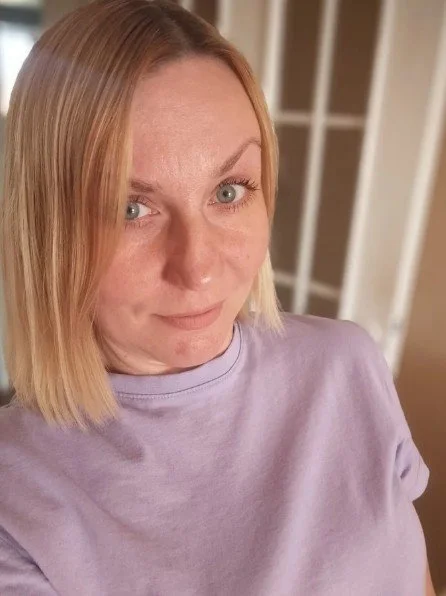
Photography by Eugenia Sol
For a long time, I believed healing was the destination.
I spent two and a half years on my twin flame journey. Layer by layer, I peeled back old patterns, healed childhood wounds, and approached every lesson with as much awareness as I could. Not because someone told me to, but because I genuinely disliked feeling triggered. Inner peace has always been my favorite place to live.

I believed healing meant that one day I would stop being triggered altogether. Today I see it differently. Healing didn't erase my triggers—it exhausted the patterns that once fed on my fear, resistance, and need to explain myself.
Patterns survive on repetition. Every automatic reaction gives them more energy. But when we repeatedly choose a different response, the nervous system learns safety instead of survival.
One day I noticed that I no longer wanted to defend myself. Not because I had become indifferent, but because my peace had become more valuable than being understood.
I call this pattern exhaustion.
Healing isn't about becoming perfect. It's about loving yourself enough to accept every part of who you are, including your imperfections. Perfection doesn't exist, and we can spend an entire lifetime chasing something that was never real.
Healing was never meant to become our identity. It was meant to return us to life.
Healing is important. But what's even more important is not getting stuck there.
Living was always waiting on the other side.
Author: yourrrr_soul
Author of Under My Skin
Instagram: @yourrrr_soul