
The Season of Becoming: Flowers, Memory, and the Sacred Feminine
Photography by Denys Mikhalevych
Summer is often described as a season of abundance, but abundance is not simply a matter of harvest. It is the visible expression of everything that has been quietly growing beneath the surface. The field blooms because roots have already done their work. The woman becomes because generations before her planted the seeds.
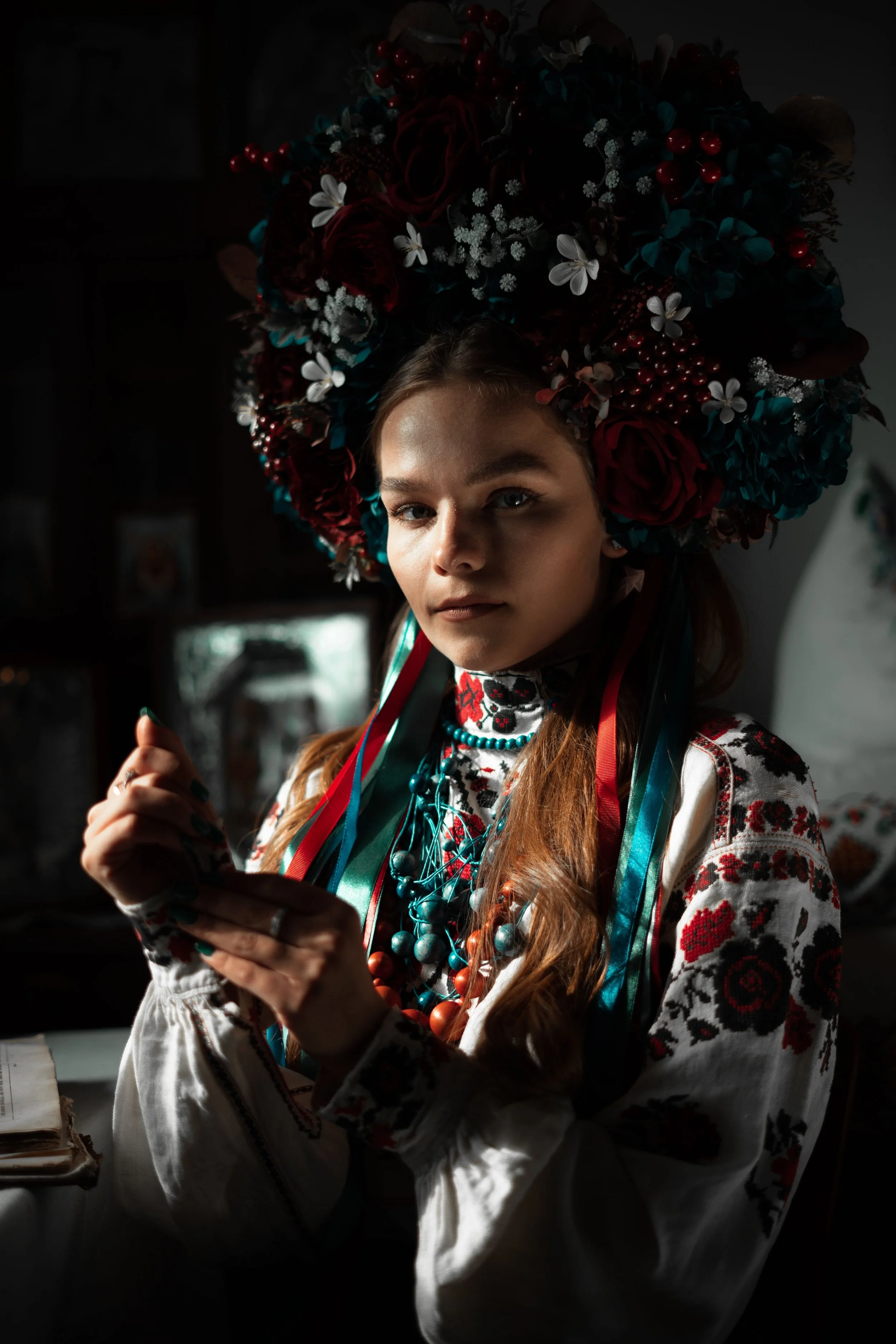
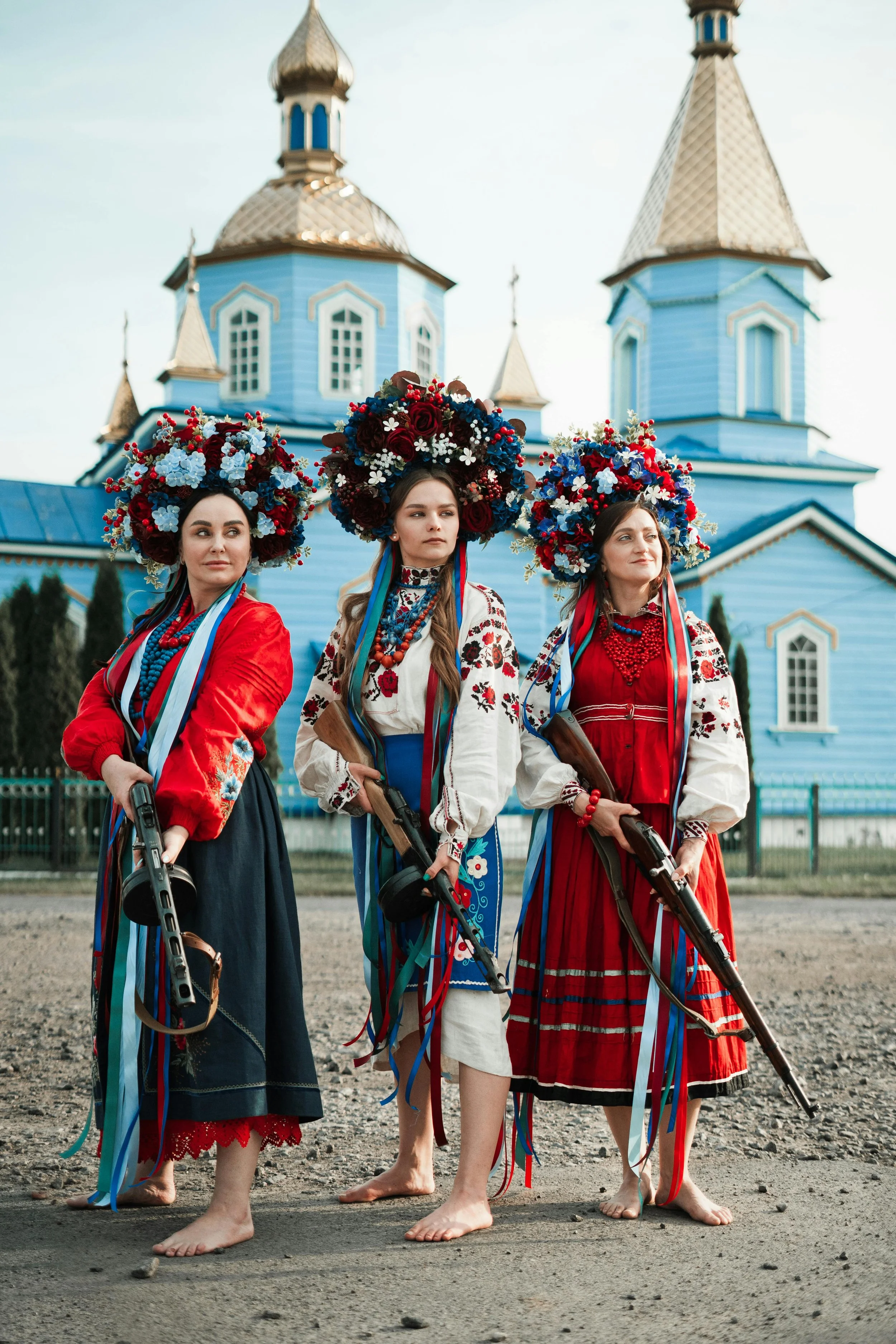
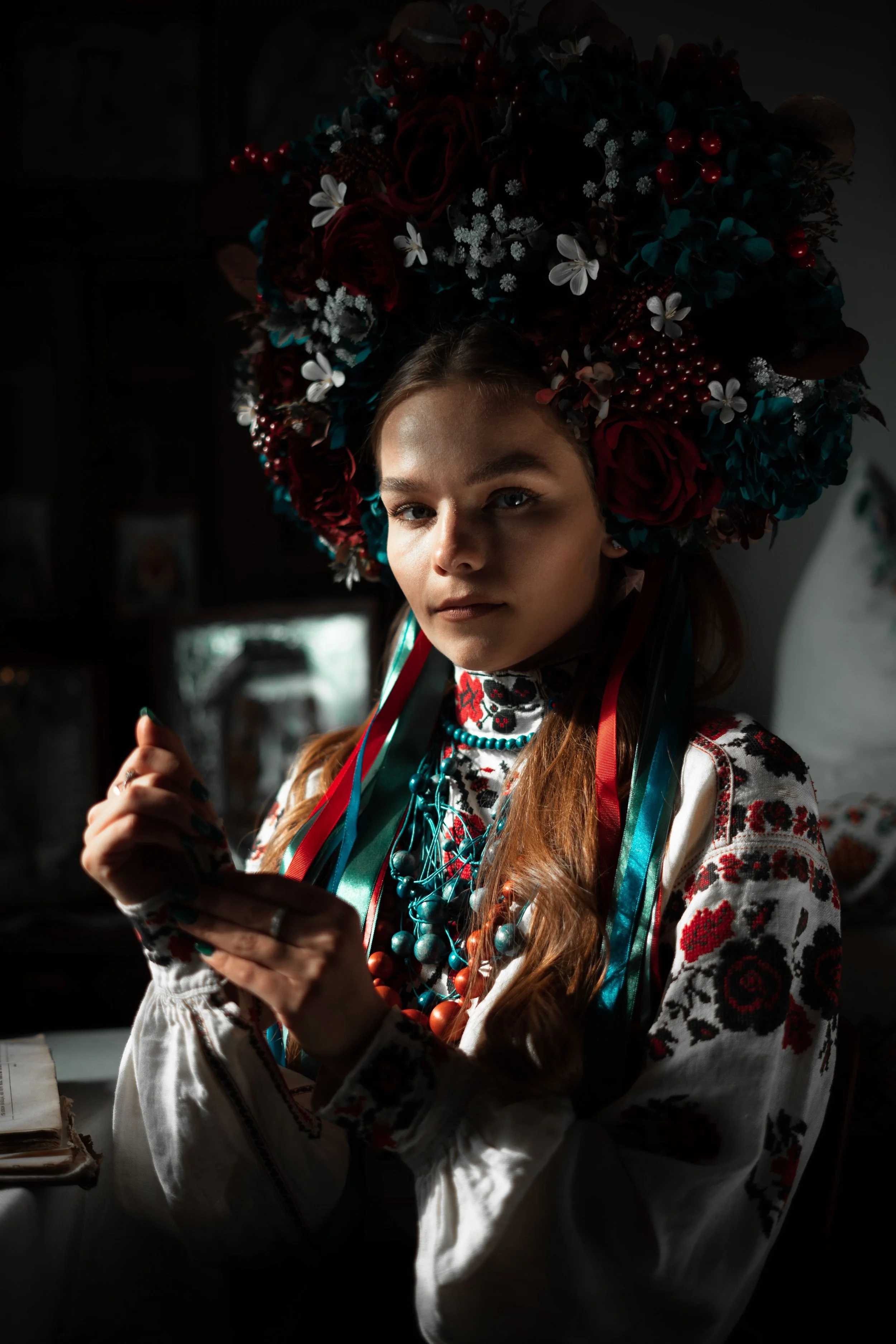
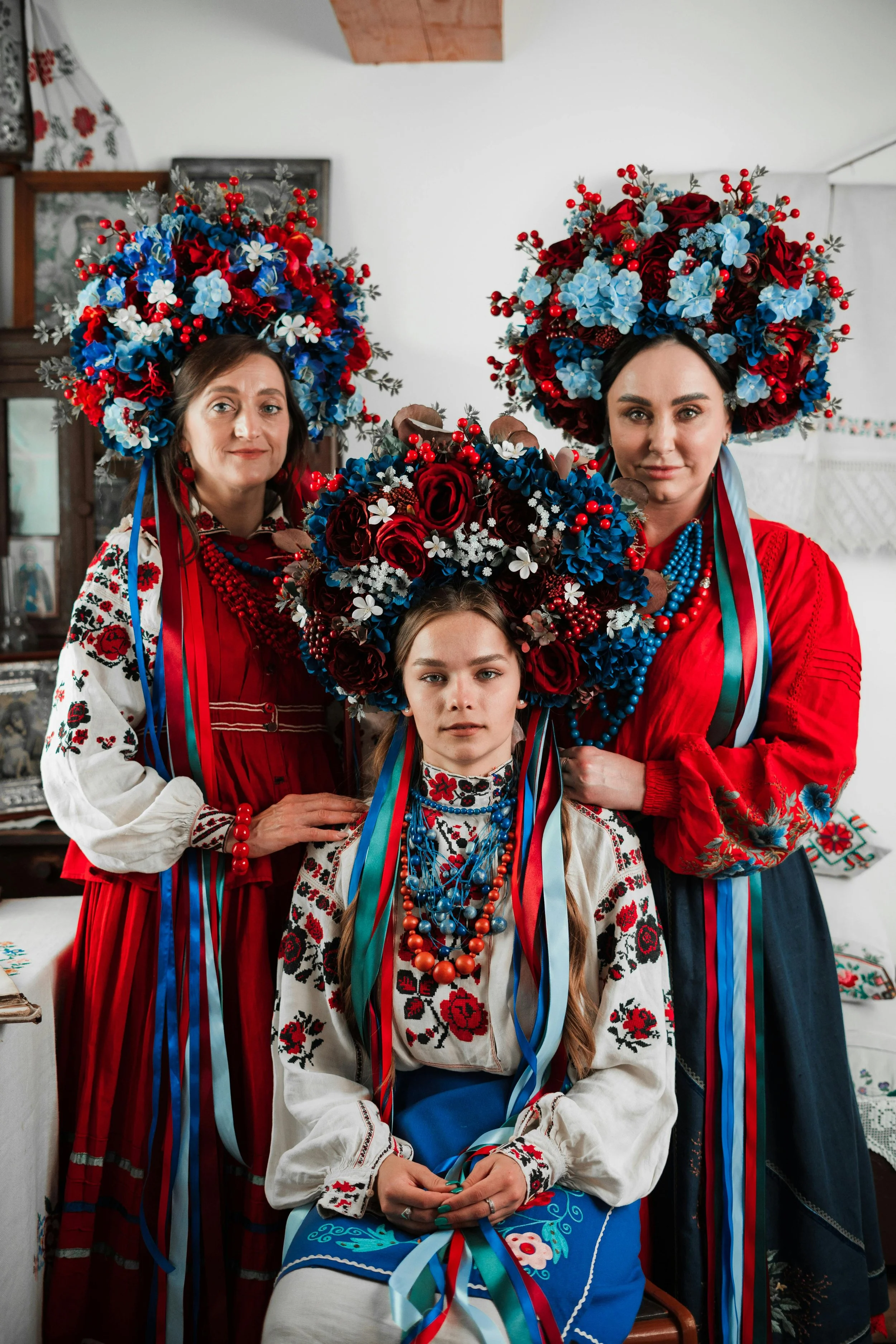
In this striking photographic series by Denys Mikhalevych, women stand at the threshold between ancestry and becoming. Draped in embroidered garments, crowned with immense floral headdresses, adorned with ribbons and beads, they appear not as historical reenactments but as living vessels of memory. Their presence feels both ancient and immediate, as if they have stepped out of a folktale carrying something essential for the modern world to remember.
The embroidered garments, known throughout many regions of Eastern Europe as traditional folk dress, were never merely decorative. Every stitch carried meaning. Patterns embroidered along collars, sleeves, and cuffs were believed to serve as protection, blessing the body and guarding the soul. Certain motifs represented fertility, abundance, motherhood, prosperity, or connection to the land. Red thread was often associated with life force, vitality, and protection against harmful influences.
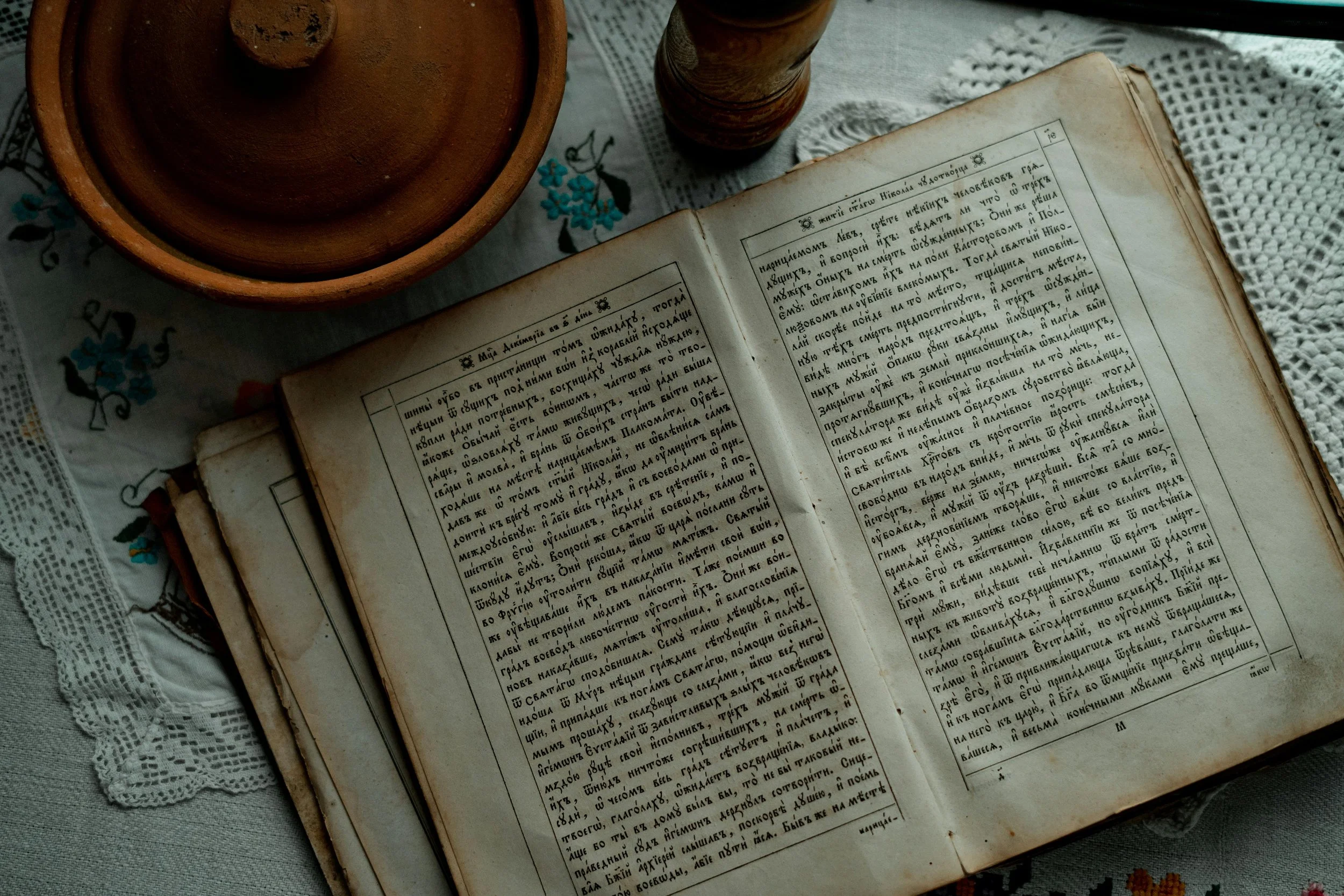
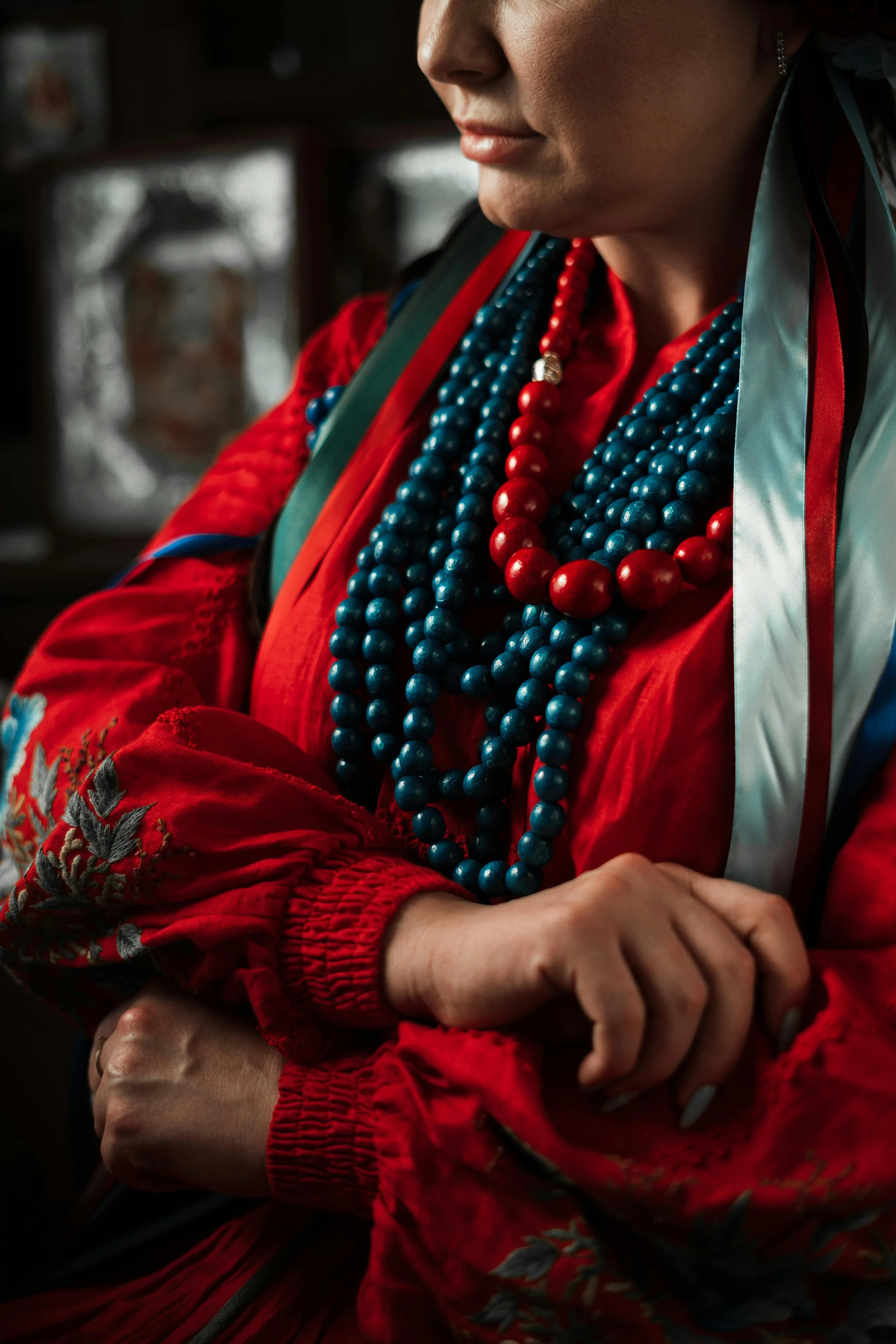
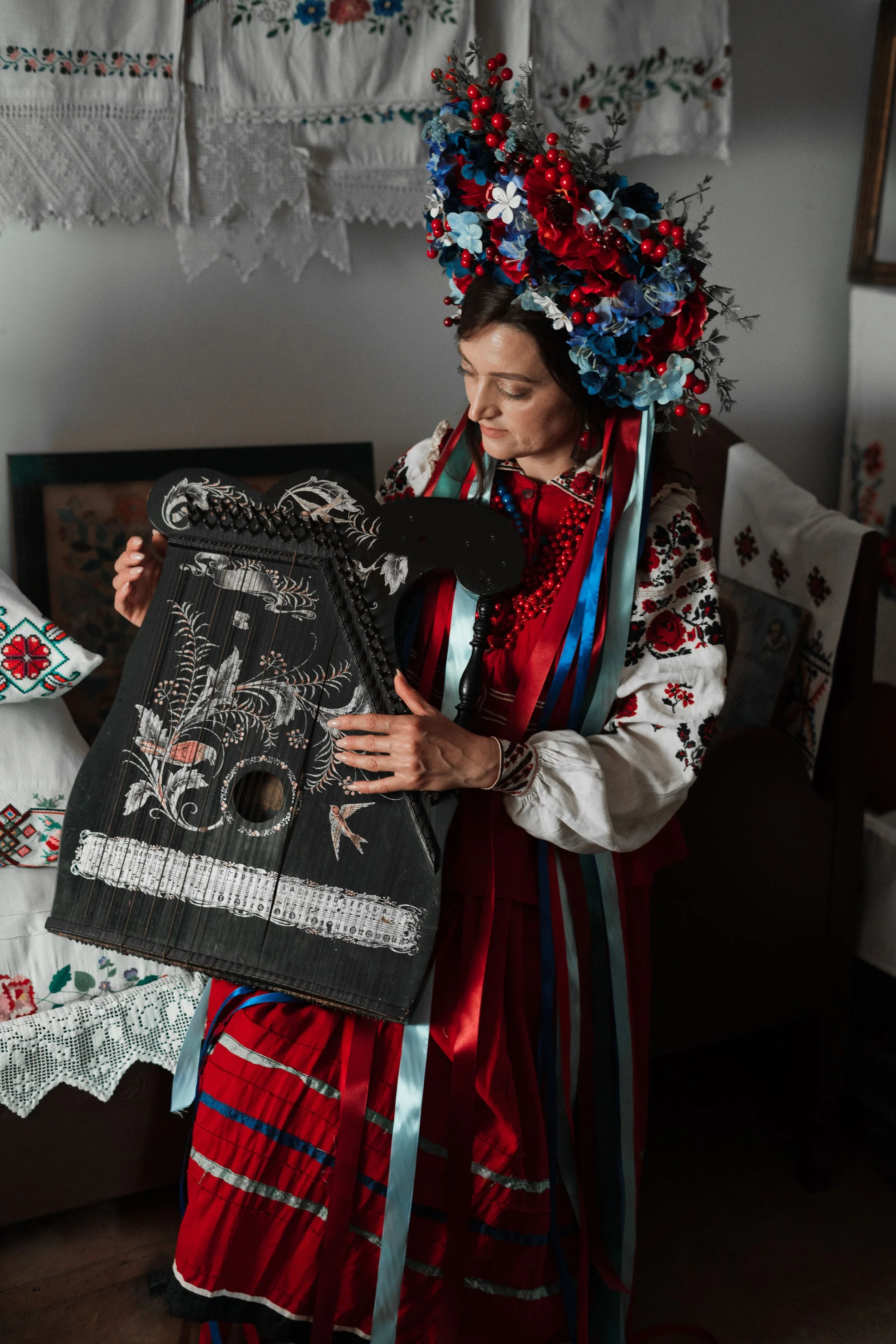
In folk traditions throughout Ukraine and neighboring regions, embroidery became a language spoken by women across generations. Mothers taught daughters. Grandmothers passed patterns to granddaughters. Clothing became a living archive of lineage, carrying family memory through times of celebration, hardship, migration, and war.
The elaborate floral crowns featured throughout these images are equally rich in symbolism. Flower crowns have long appeared in midsummer celebrations, fertility festivals, and seasonal rites connected to the sun's highest point in the sky. Fresh flowers represented youth, vitality, and the fleeting beauty of life itself. Ribbons streaming from the crowns echoed rivers, movement, and the invisible threads connecting one generation to the next.
For many practitioners of folk magic, flowers were never simply beautiful objects. They were allies. Roses symbolized love and passion. Cornflowers represented protection and devotion. Wildflowers gathered at midsummer were believed to carry heightened spiritual power because they had absorbed the fullness of the season's light.
This relationship between flowers and spirit exists across countless traditions, including forms of brujería. Throughout Latin America, Spain, and the Caribbean, flowers have long been used in cleansing baths, altar offerings, devotional practices, and ceremonies honoring both saints and spirits. Roses are associated with love, beauty, and divine feminine energy. White blossoms represent purification and blessing. Fresh flowers are often placed on altars because they embody life itself - temporary, fragrant, and sacred.
What connects these traditions across continents is a shared understanding that nature is not separate from spirituality. The flowering plant becomes a teacher. The blooming season becomes a mirror.
That idea is at the heart of this series.
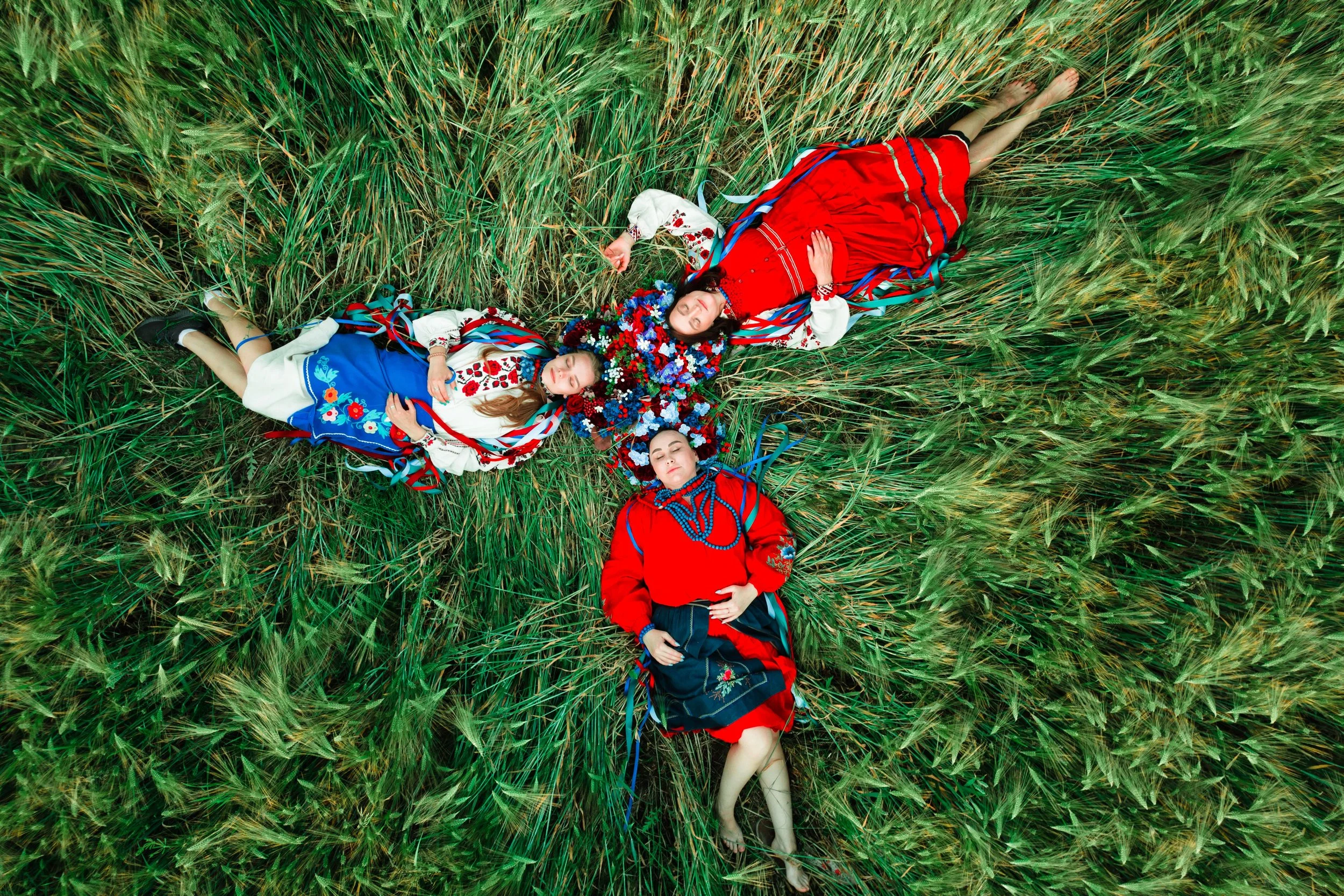
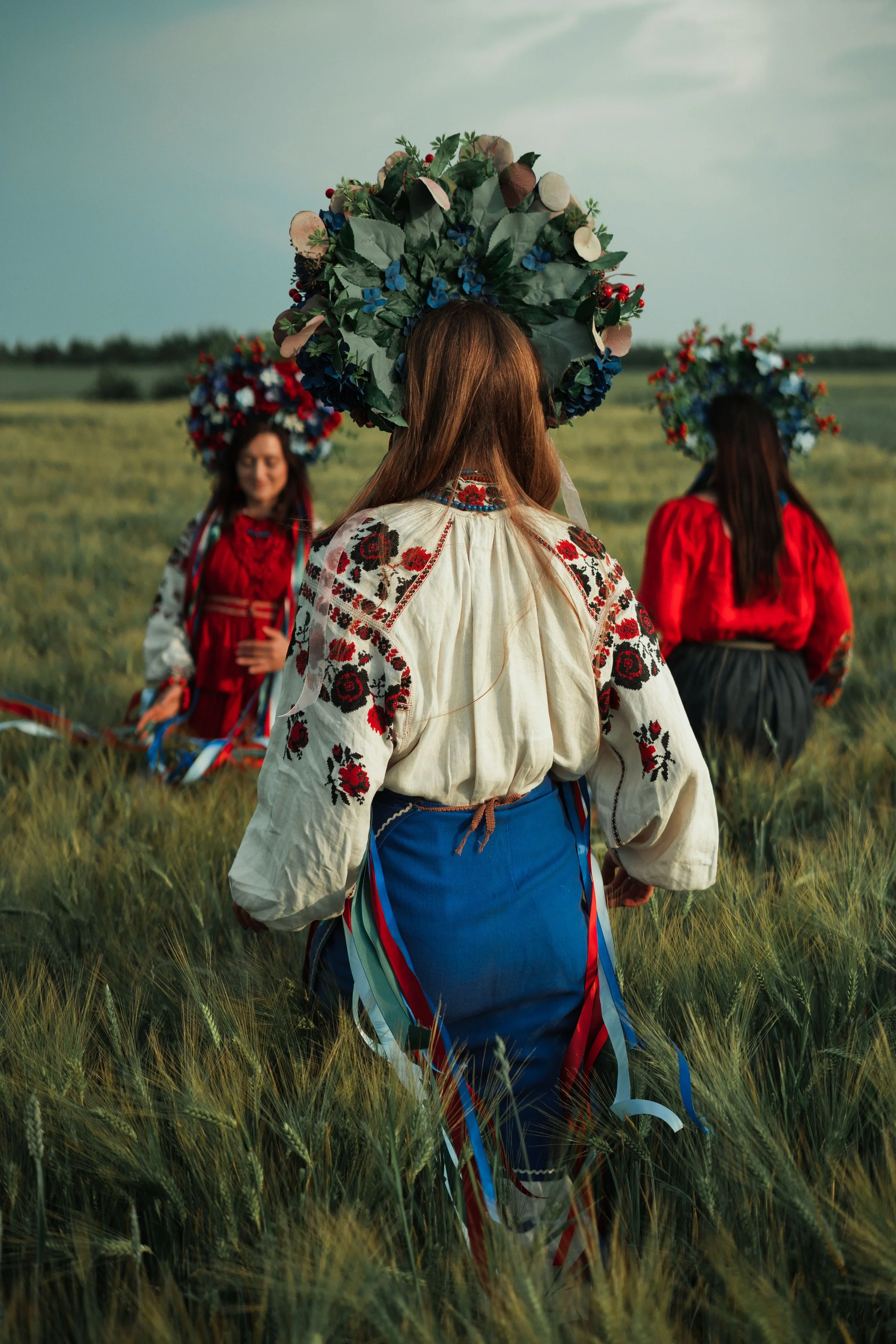
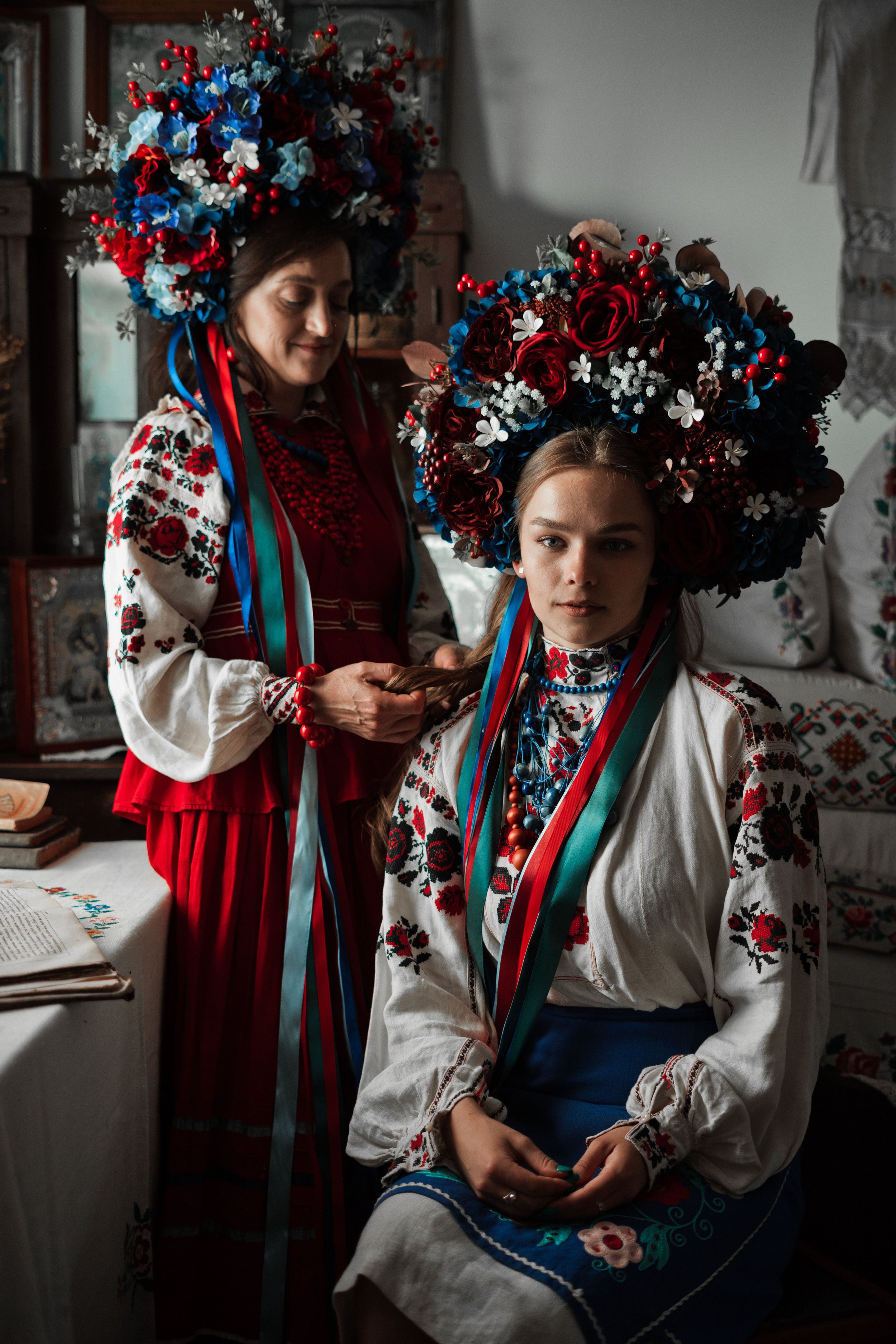
The women photographed by Mikhalevych do not appear passive. They are not muses waiting to be observed. They are participants in an ongoing story of inheritance. In one image, a woman braids another's hair. In another, three generations stand together beneath crowns of flowers. Elsewhere they gather in fields, resting among tall grasses beneath the open sky.
The photographs remind us that becoming is rarely a solitary act.
We become through the stories we inherit.
We become through the women who came before us.
We become through the rituals we choose to keep alive.
The season of becoming is not simply about transformation. It is about remembrance.
As the Summer Solstice approaches and the world reaches its fullest expression of light, these images offer a different definition of abundance. Not wealth. Not productivity. Abundance is knowing who you are while carrying your ancestors forward while still becoming yourself. It is understanding that every flower eventually fades, yet every season blooms again.
In that way, the women in these photographs embody one of the oldest lessons found in both folk magic and brujería: that life moves in cycles, not straight lines. We return to ourselves again and again, each time carrying a little more wisdom than before.
And perhaps that is the true meaning of becoming - not turning into someone new, but blooming fully into who you have always been.