

Castlecore in April: Structure, Softness, and the Ritual of Form
Model and Photography by Alexan Mad
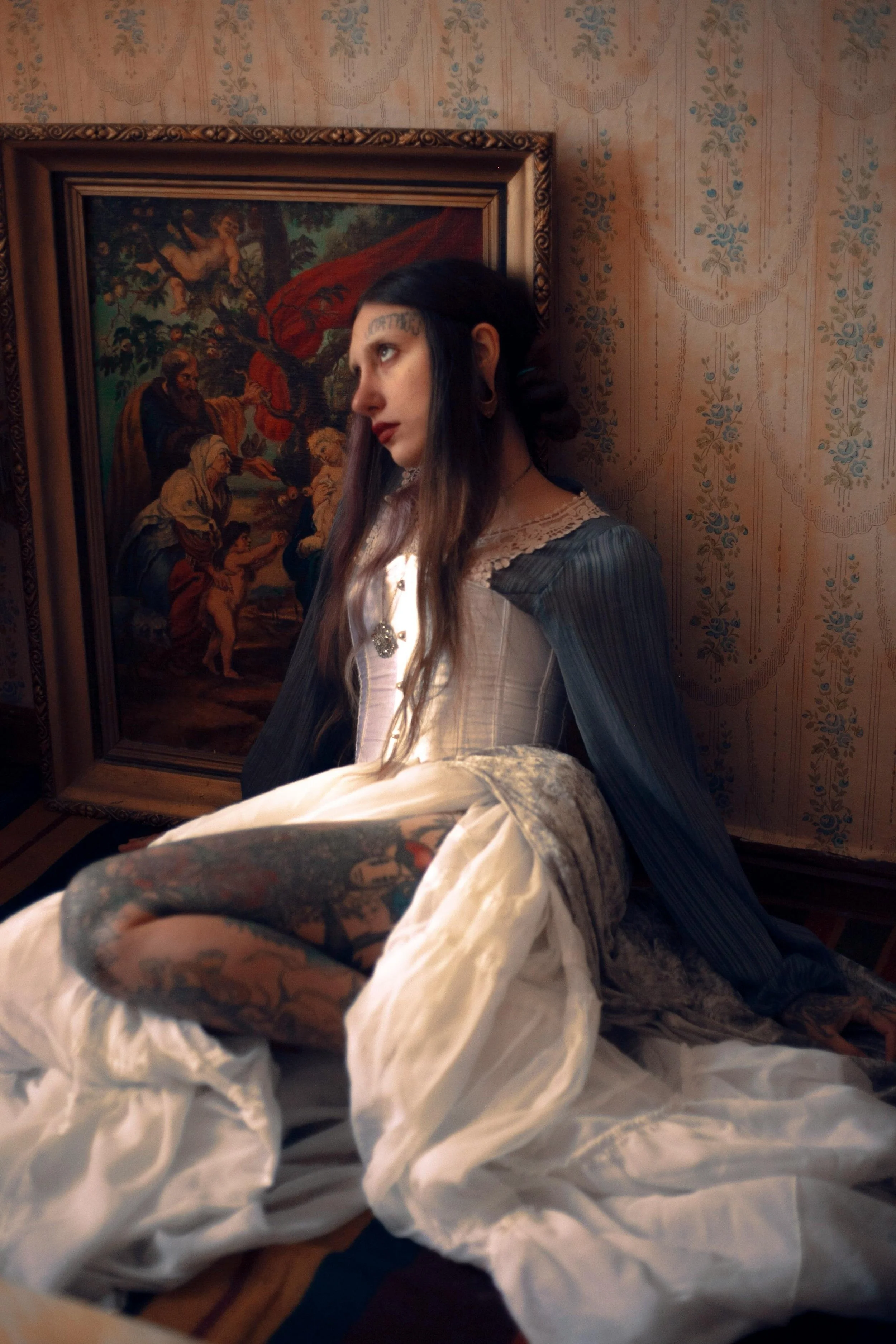
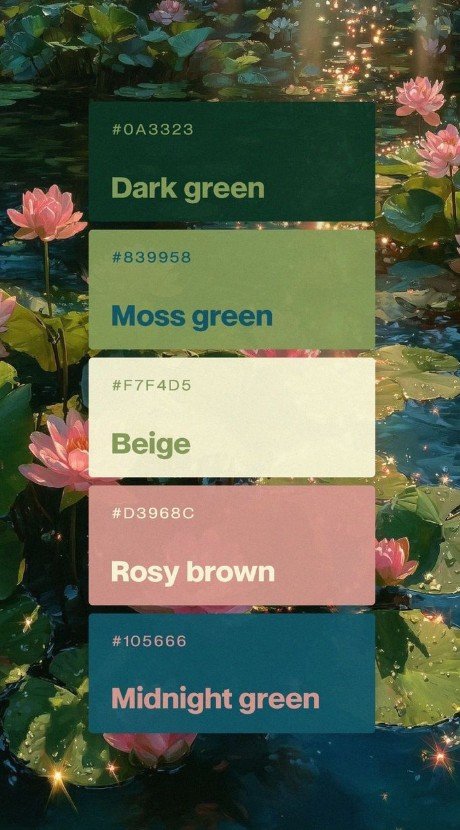
Castlecore, in its truest form, is not aesthetic first. It is construction. In the work of Alexan Mad, what appears soft is actually highly controlled. The palette leans into muted earth tones and desaturated warmth, creams, aged golds, soft browns, and dimmed florals. In contrast we also see dark greens, mossy greens, beige, pinks, and lilacs with the reemergence of florals. This is not accidental. Low saturation reduces visual noise, allowing the eye to settle, while warm tones mimic candlelight, which psychologically signals intimacy and internal focus. Studies in color psychology suggest that these tones lower cognitive alertness and increase emotional receptivity, which is why the images feel immersive rather than performative.
Texture becomes the second language. You are not just seeing fabric, you are reading it. Lace against structured corsetry, sheer draping against heavier materials, matte walls absorbing light while skin and silk reflect it. This contrast prevents the image from flattening and instead creates depth. The brain responds to this by attempting to “feel” what it sees, a principle often explored in sensory and textile research. The result is an image that feels tactile, even at a distance.
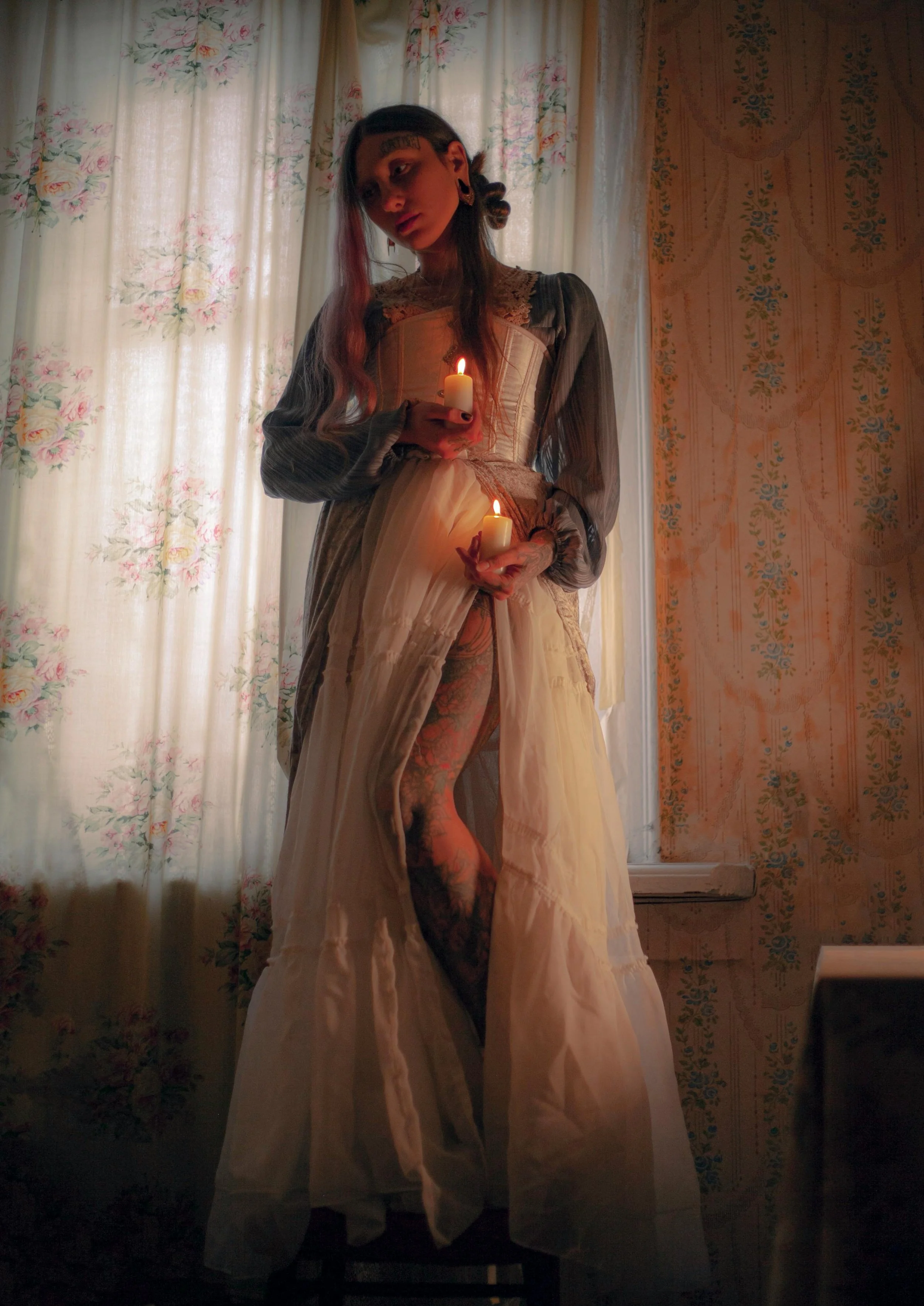
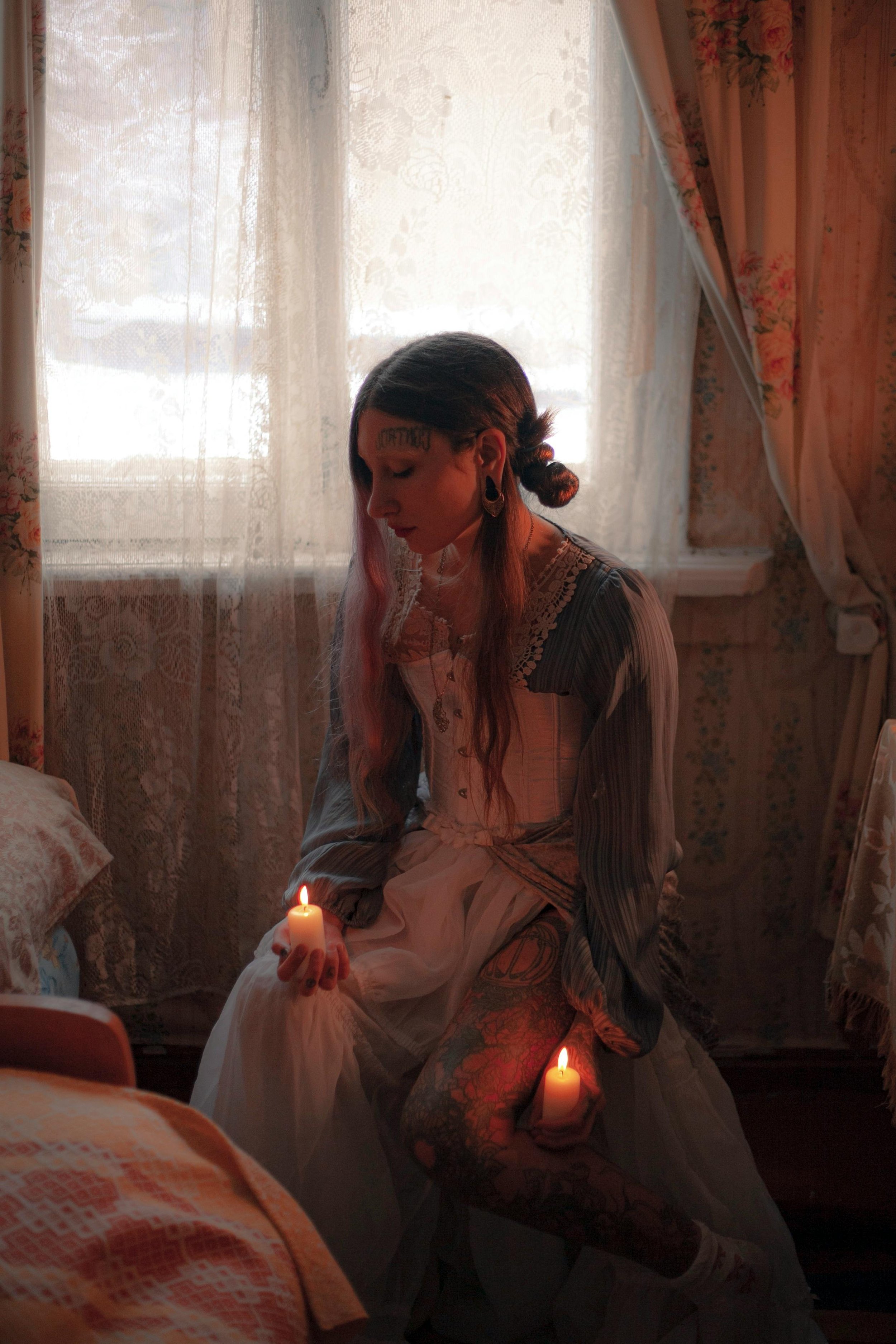
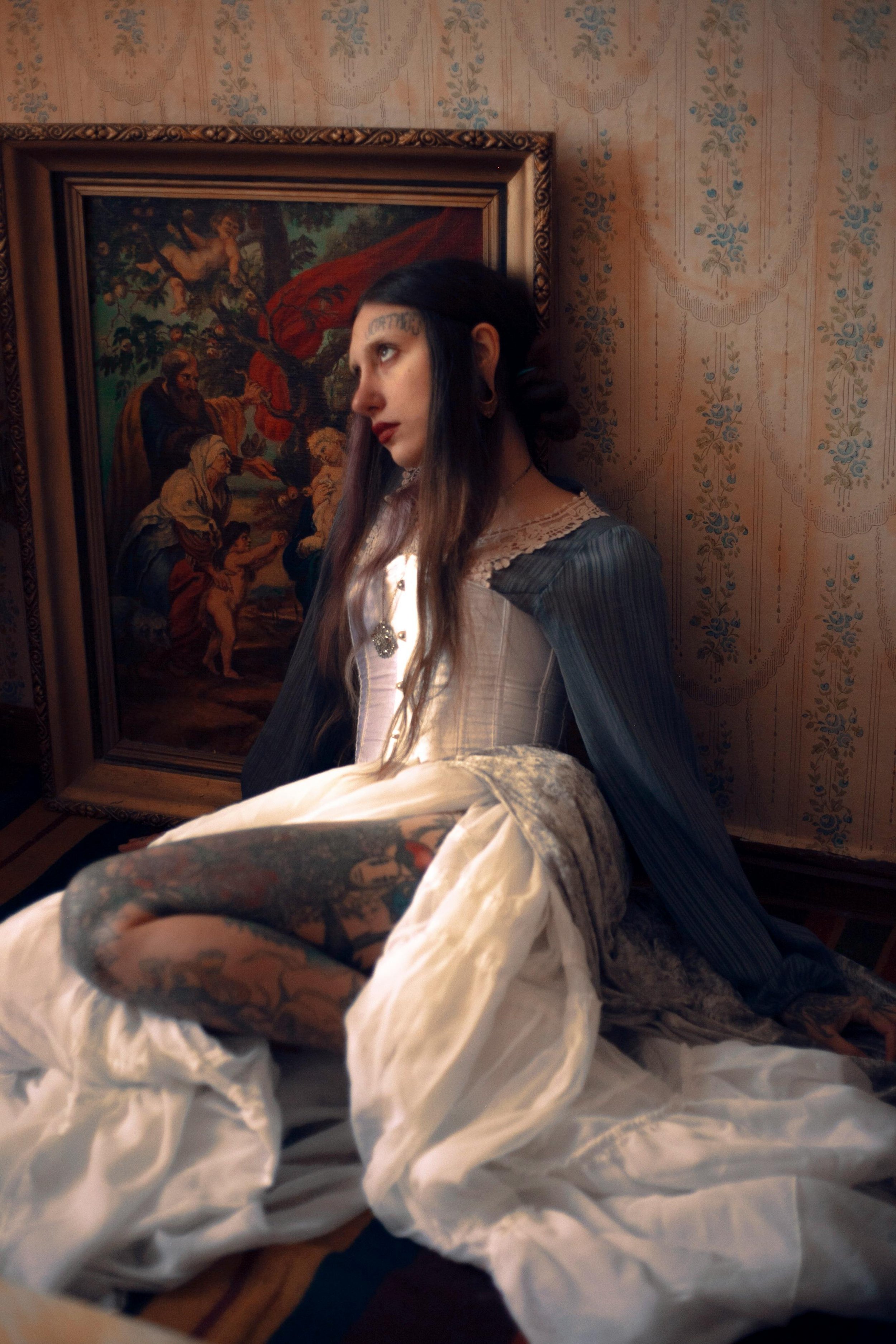
Silhouette holds the structure. The corset creates an hourglass form that is controlled and architectural, while the sleeves and skirts soften that control through movement and flow. This tension between restriction and release defines the Castlecore language. Proportion follows the same logic. Volume is balanced, not competing. A fitted bodice grounds the composition while the skirt expands outward, and subtle shifts in posture create a visual equilibrium that keeps the eye engaged without overwhelming it.
Accessories should be minimal, but deliberate. Fabric choices reinforce this system. Light materials allow for movement, even in stillness, while heavier elements hold structure. Opacity and translucency work together, revealing and concealing at once, creating a quiet tension that mirrors internal states. Structure is important because in brujería, structure is not separate from feeling. It is what allows feeling to exist safely. Ritual creates a container, and within that container, transformation becomes possible. Castlecore reflects this principle. The corset becomes containment. The candle becomes focus. The layered textures become the emotional field, complex but held. Even the environment contributes to this. Enclosed spaces, patterned walls, and controlled lighting increase psychological immersion, something well documented in environmental psychology.
This is not accidental styling. It is applied knowledge. Research across visual perception, textile theory, and sensory response supports what is happening here. Texture creates engagement. Warm light creates openness. Structure creates stability. Softness creates receptivity.
This is why Castlecore belongs to April. April exists in transition, between structure and softness, between initiation and embodiment. Aries builds the frame, Taurus fills it with sensation. What you are seeing in these images is that exact balance, held and unfolding at the same time.