
The Day After the Spring Equinox
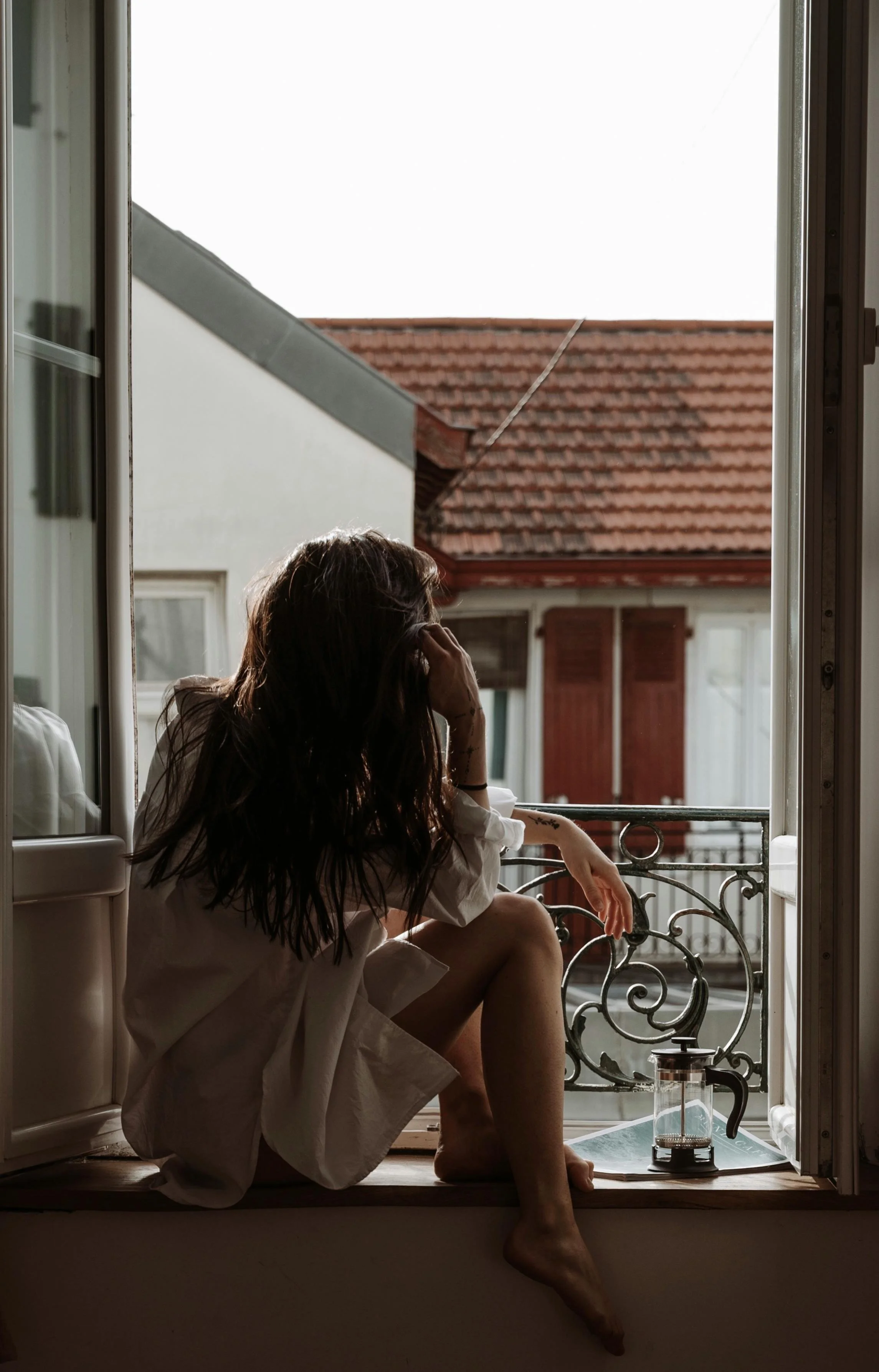
There is a particular elegance to the day after the Spring Equinox. Yesterday marked the moment of perfect balance, when light and dark held equal ground, suspended in quiet symmetry. It is a point often romanticized and ritualized, a threshold framed as harmony. But balance, in nature, is never meant to hold. Today, it has already shifted. The light has begun its slow ascent, extending itself into our days with quiet authority. Nothing announces this change, and yet something undeniable has moved. This is where spring begins in earnest.
Spring is rarely what we imagine it to be. It is not immediate bloom or effortless renewal, but movement that unfolds unevenly. It arrives as a soft unraveling. Windows open, spaces are cleared, and thoughts once buried begin to rise with unexpected clarity. The body responds before the mind can fully explain. This is not coincidence. It is alignment.
Across cultures and centuries, the Spring Equinox has never been just a date. It has been observed, honored, and lived through ritual. In ancient Persia, the equinox marks Nowruz, the Persian New Year, where homes are cleansed in a practice known as khaneh tekani, or “shaking the house.” Families gather around the Haft-Seen table, arranging symbolic elements that represent renewal, patience, vitality, and love. In Japan, Shunbun no Hi is observed with quiet reverence, as families visit ancestral graves and reflect on continuity, honoring the past while standing in balance with the present. In European pagan traditions, the equinox is known as Ostara, a celebration of fertility and awakening, where eggs, seeds, and flowers symbolize potential that has not yet taken form. In India, Holi brings a more vivid expression of the same transition, as color fills the air in celebration of light’s return, inviting the body into the experience of renewal. And in Mexico, at Chichén Itzá, the alignment of sun and structure creates the illusion of a serpent descending the pyramid, a reminder that ancient civilizations built in direct relationship with the rhythms of the earth.
Despite their differences, these traditions share a common understanding. The equinox is not the celebration of balance, but the recognition of transition. The day after asks something more intimate. It asks for participation. With the return of light comes visibility, not only of what is ready to grow, but of what has remained dormant or quietly outgrown. Spring reveals without apology, and so the question becomes less about what is possible, and more about what is chosen.
There is a tendency to meet this moment with urgency, to declare transformation and move forward with certainty. But nature offers a different rhythm. Nothing in bloom arrives fully formed. Growth is incremental, tender, and often uncertain. It requires a willingness to be seen before one feels ready. A sprout does not wait for perfection. It responds to light.
In that spirit, the ritual that follows is intentionally simple. It is not designed for spectacle, but for anchoring. Begin by lighting a candle and allowing it to represent the returning light, steady and present. Place your fingers into a bowl of water and take a moment to acknowledge what you have been holding, releasing it quietly without the need for performance. Take a piece of bread into your hands, break it slowly, and recognize nourishment not as habit, but as intention. Finally, bring your hands close enough to the candle to feel its warmth, registering the subtle but undeniable shift within you. When you are ready, extinguish the flame, not as an ending, but as a transition inward.
The Spring Equinox belongs to a moment. What follows belongs to you. Not the idea of becoming, but the act of it, carried forward quietly, deliberately, beginning as it always does, the day after.
Works Cited
Nowruz — UNESCO Silk Roads Programme.
Read source
Nowruz — History.com Editors. “Nowruz – Persian New Year.”
Read source
Shunbun no Hi — Overview of Vernal Equinox Day in Japan.
Read source
Holi — Cultural and historical context of Holi as a spring festival of renewal and light.
Read source
Chichén Itzá — Equinox alignment and cultural significance.
Read source