

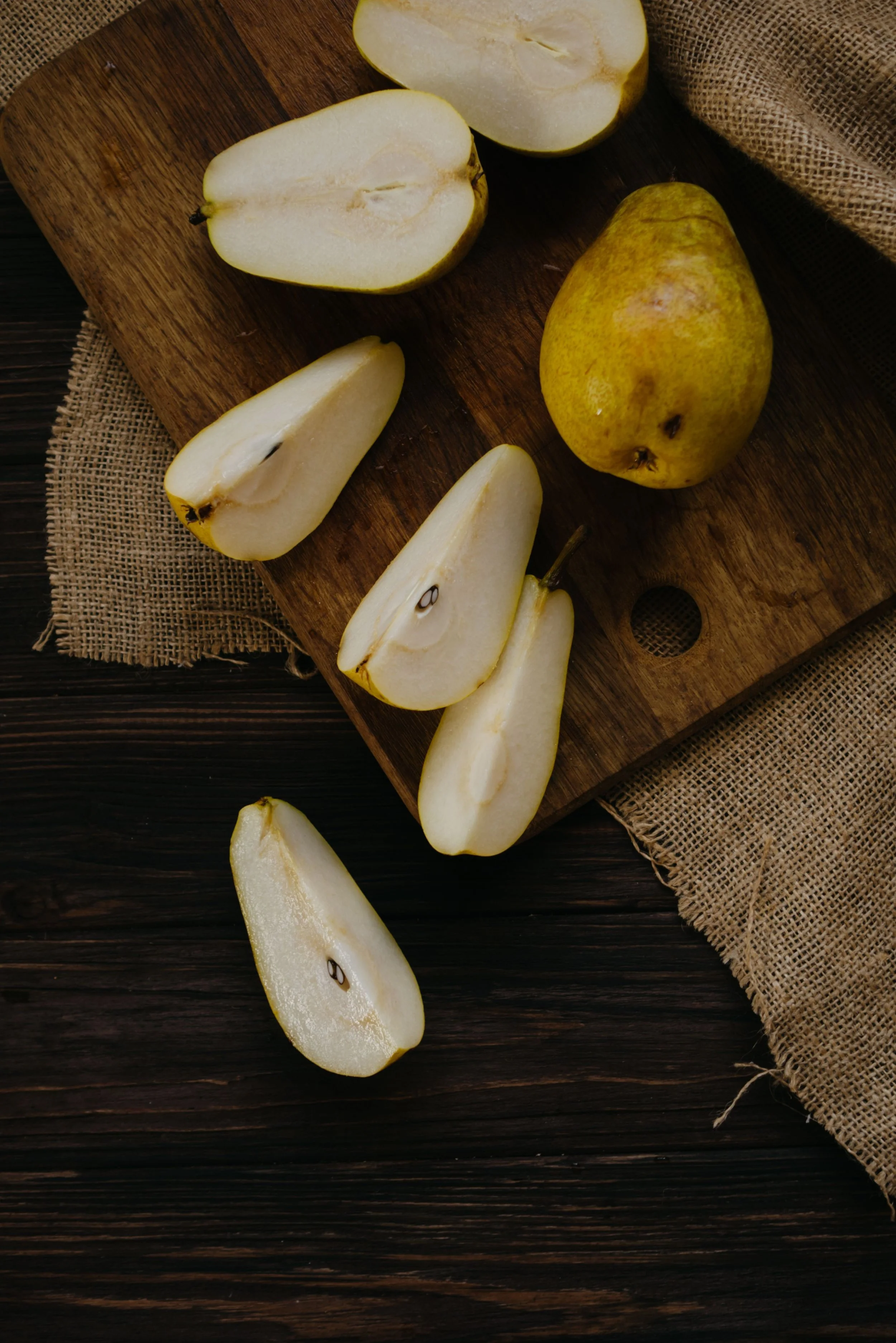
POTIONS & PREPS | The Golden Harvest: Roasted Pear, Sage & Honey Drinking Syrup
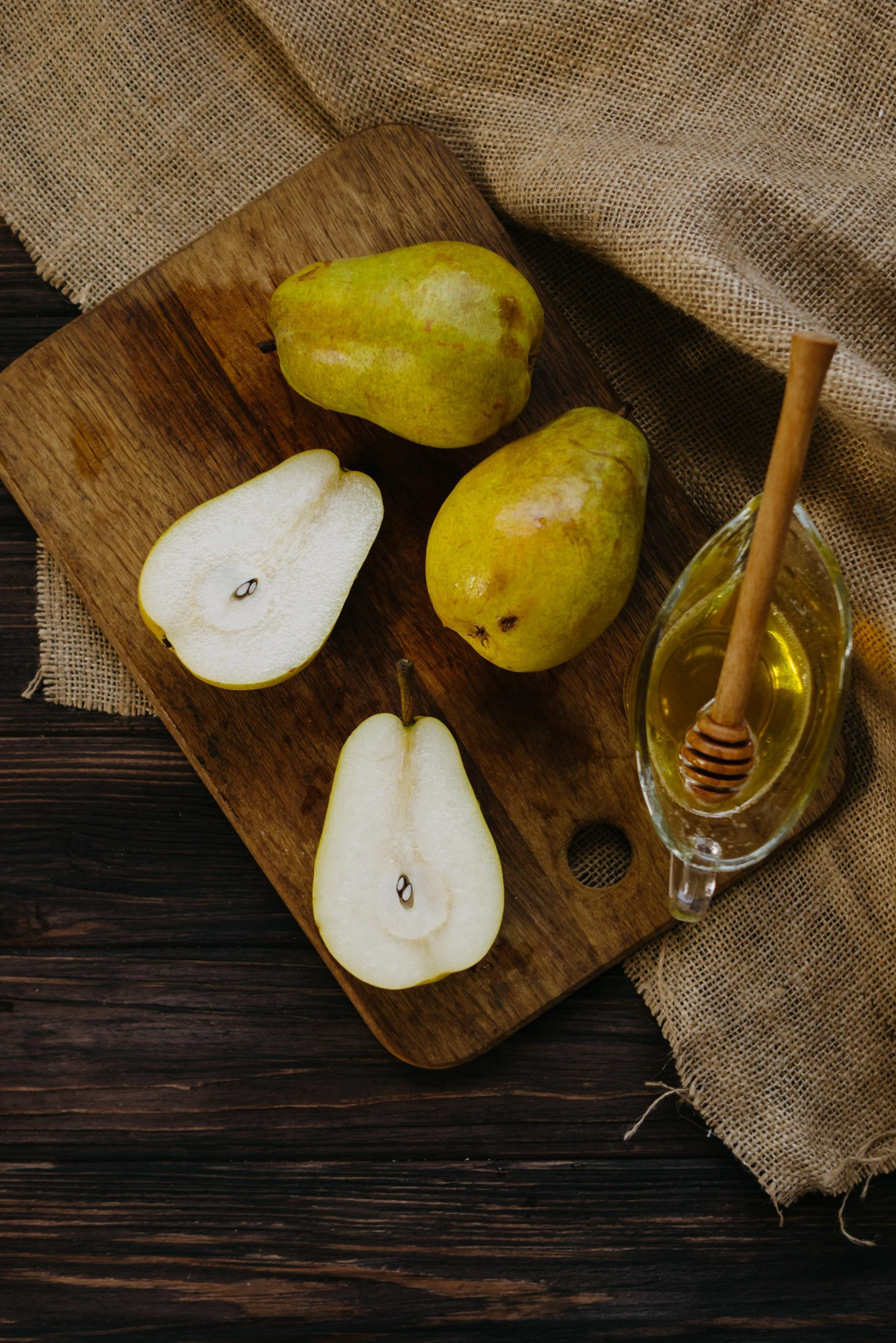
September begins with fruit still hanging heavy on the season and ends with the unmistakable feeling that summer is leaving. For our second Mabon preparation, we are taking the pear somewhere warmer. Instead of preserving its bright flavor in vinegar, we roast it until its sugars deepen and the fruit becomes soft and fragrant, then pair it with sage, ginger, lemon and honey.
Photography by Polina Kovaleva ⠀
Roasted pear, garden sage, honey, ginger and lemon become a rich drinking syrup for the first cool evenings of autumn.
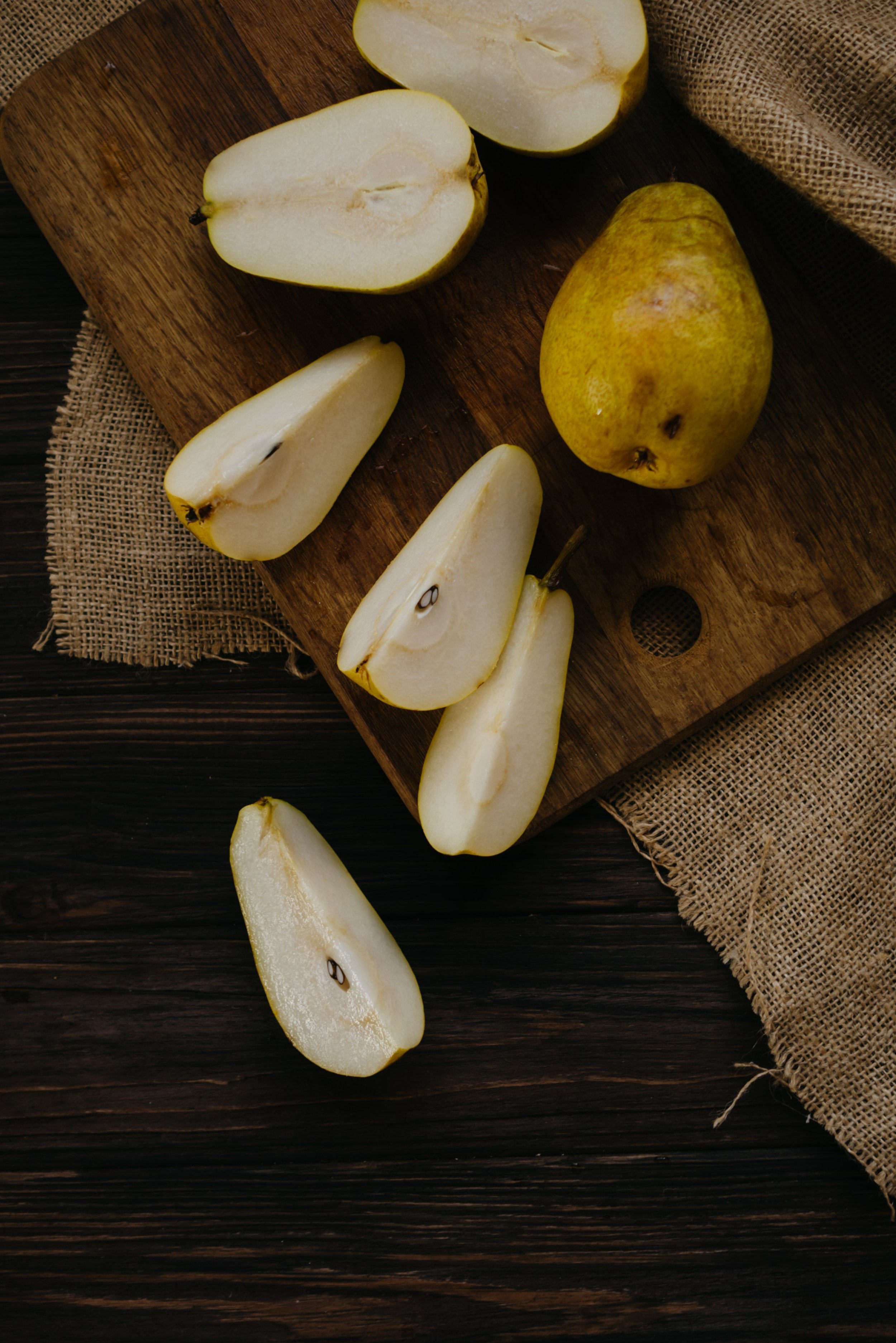
September begins with fruit still hanging heavy on the season and ends with the unmistakable feeling that summer is leaving. For our second Mabon preparation, we are taking the pear somewhere warmer. Instead of preserving its bright flavor in vinegar, we roast it until its sugars deepen and the fruit becomes soft and fragrant, then pair it with sage, ginger, lemon and honey.
Sage (Salvia officinalis) has a long history as both a culinary and traditional medicinal herb. Modern analysis shows just how chemically responsible those familiar leaves are for their distinctive scent. A 2024 study identified dozens of odorants in culinary sage, with compounds including 1,8-cineole and β-myrcene contributing to its aroma. (PubMed) The broader Salvia genus also has extensive culinary, medicinal and cultural histories across many parts of the world. (PubMed)
Here, however, sage is doing something much simpler: making the pear taste like autumn.
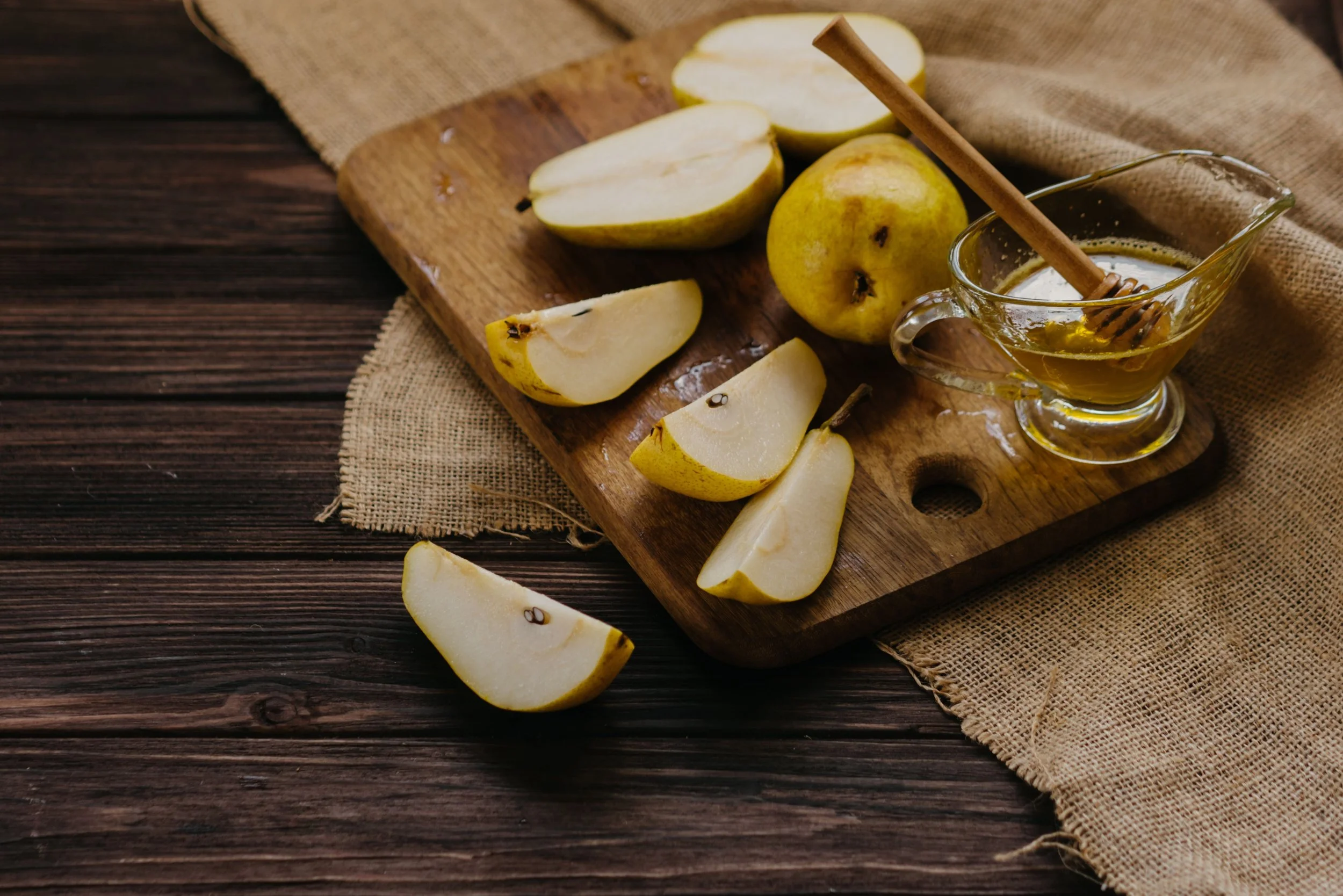
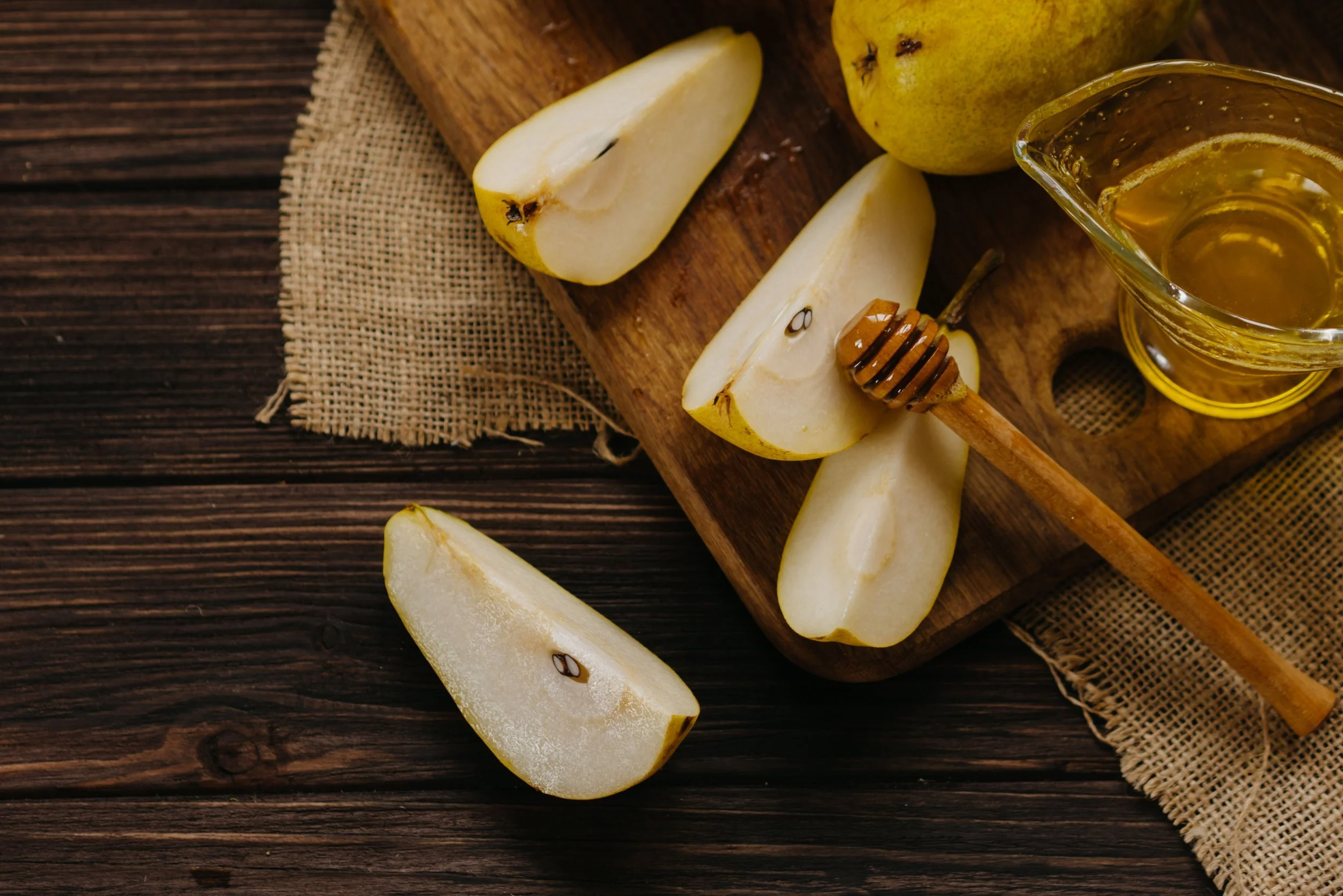
The Golden Harvest
Makes approximately 2 cups of drinking syrup
Ingredients
3 ripe pears
2 cups water
½ cup honey
4 fresh culinary sage leaves
1 tablespoon freshly sliced ginger
2 strips lemon peel
1 tablespoon fresh lemon juice
½ teaspoon ground cinnamon
Small pinch of kosher or sea salt
Instructions
Roast the pears. Heat the oven to 400°F (205°C). Wash, core and roughly chop the pears. Place them in a baking dish and roast for about 20 to 25 minutes, until very soft and beginning to caramelize around the edges.
Build the syrup. Transfer the roasted pears to a saucepan with the water, ginger, lemon peel, cinnamon and salt. Bring to a gentle simmer.
Add the sage. Add the sage leaves and simmer gently for about 10 minutes. Sage can become dominant quickly, so there is no need for a long infusion.
Steep. Remove the saucepan from the heat, cover and allow everything to steep for another 10 minutes.
Strain. Pour through a fine-mesh strainer, pressing the softened pears gently to release their liquid. For a clearer syrup, strain it again through cheesecloth.
Add the honey. Allow the liquid to cool slightly before stirring in the honey and fresh lemon juice. Taste and add a little more honey if you prefer a sweeter concentrate.
Bottle and chill. Pour into a clean glass bottle or jar and refrigerate. Because this is a fresh fruit syrup rather than a tested canning recipe, keep it refrigerated and make it in small batches.
To Serve
For a warm harvest drink, stir 2 to 3 tablespoons into 6 to 8 ounces of hot water. For a cold version, pour the syrup over ice and top with sparkling water. A thin pear slice or fresh sage leaf makes a simple garnish.
The syrup can also move beyond the glass. Spoon a little over oatmeal, stir it into hot tea or drizzle it over plain yogurt. It is deliberately concentrated so the bottle can become several different things in the kitchen.
Why Sage?
Garden sage is one of those plants in which food, folklore and herbal history continually overlap. Salvia officinalis has been used as a culinary herb for centuries, while the larger Salvia genus has documented medicinal, ceremonial and culinary uses across cultures. A recent global ethnobotanical review identified traditional uses involving 187 Salvia species. (PubMed)
That history should not tempt us to treat a culinary syrup as medicine. Sage contains numerous aromatic and phenolic constituents, but concentration matters. Culinary use of a few leaves is different from consuming concentrated sage essential oil, and thujone in particular is subject to safety limits in food applications. (TechScience) Do not substitute sage essential oil for the fresh leaves in this recipe.
For this preparation, the reason to reach for sage is beautifully uncomplicated: its earthy, slightly peppery flavor keeps roasted pear and honey from becoming excessively sweet.
This is what I love about the Mabon kitchen. It does not require us to pretend every ingredient has supernatural powers. There is already transformation happening. Heat changes fruit. Water captures aroma. Honey changes texture. Something that began on a tree becomes something entirely different in the bottle.
September gives us abundance, but autumn reminds us that abundance does not remain forever. So we roast it. Steep it. Sweeten it. Bottle it.
And for another few evenings, we keep the harvest close.
Sources & Further Reading
Chiang, Nancy, et al. “Characterization of Odorants in a Commercial Culinary Sage (Salvia officinalis L.) and Several Cultivars.” Journal of Agricultural and Food Chemistry, 2024. Researchers identified 35 odorants in dried culinary sage and examined the compounds contributing to its herbaceous, eucalyptus, pine, green and other aromatic characteristics. (PubMed)
Nicolescu, Alexandru, Oleg Frumuzachi and Andrei Mocan. “Ethnobotanical Diversity of the Genus Salvia L. (Lamiaceae): From Medicinal and Culinary Applications to Cultural Importance of Sage Species Across the Globe.” Journal of Ethnopharmacology, 2026. The review documents medicinal, culinary and cultural uses across 187 Salvia species. (PubMed)
Crișan, Ioana. “Economic Botany of Salvia officinalis L. with Emphasis on Essential Oil.” Phyton, 2026. A review of garden sage's culinary history, phytochemistry, essential oil and contemporary applications, including safety considerations surrounding thujone. (TechScience)