

POETRY | Amy Lowell and the Sacred Beauty of Late September
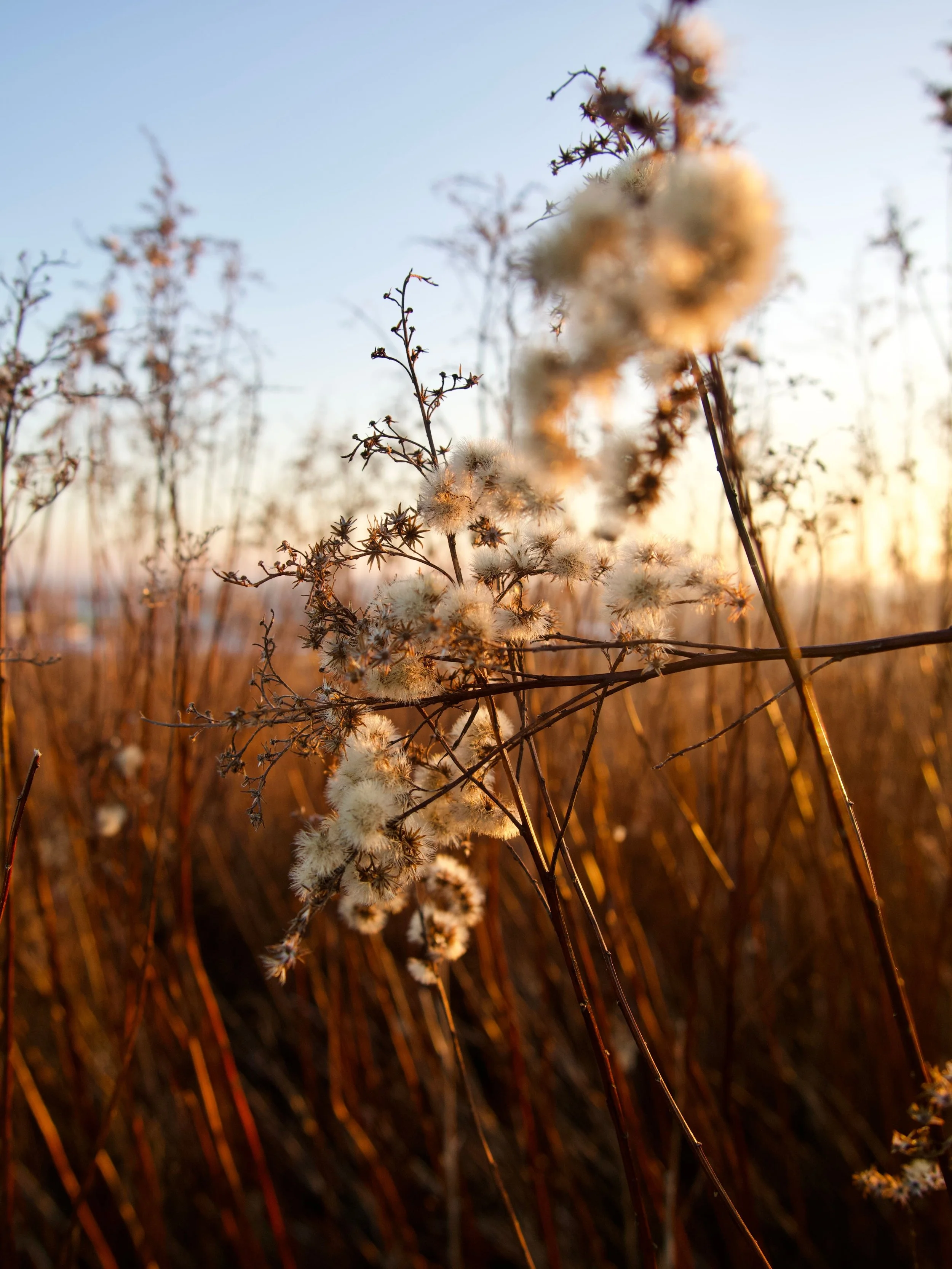
Photography Credit: Lisa Ott via Pexels
By late September, the season no longer whispers its arrival. The fruit is heavy, grasses have gone to seed, branches begin to burn with color, and evening carries the unmistakable knowledge that summer has passed. In “Late September,” Amy Lowell captures this threshold not as a season of mourning, but as something vibrant, sensual and almost sacred.
Published in Lowell’s 1914 collection Sword Blades and Poppy Seed, the poem moves through the landscape with extraordinary attention to color, sound and movement. Fruit, wind, seeds, trees, insects and moonlight are not merely scenery. Together, they create a living September world in which the ordinary becomes worthy of reverence.
Late September
Tang of fruitage in the air;
Red boughs bursting everywhere;
Shimmering of seeded grass;
Hooded gentians all a’mass.
Warmth of earth, and cloudless wind
Tearing off the husky rind,
Blowing feathered seeds to fall
By the sun-baked, sheltering wall.
Beech trees in a golden haze;
Hardy sumachs all ablaze,
Glowing through the silver birches.
How that pine tree shouts and lurches!
From the sunny door-jamb high,
Swings the shell of a butterfly.
Scrape of insect violins
Through the stubble shrilly dins.
Every blade’s a minaret
Where a small muezzin’s set,
Loudly calling us to pray
At the miracle of day.
Then the purple-lidded night
Westering comes, her footsteps light
Guided by the radiant boon
Of a sickle-shaped new moon.
About Amy Lowell
Amy Lowell (1874–1925) was an American poet, critic and influential advocate of Imagist poetry. Born in Brookline, Massachusetts, Lowell became known for poetry that emphasized precise imagery, sensory detail and experimentation with poetic form. She was also an energetic champion of modern poetry, editing collections of Imagist work and helping bring the movement to a wider American audience.
Her writing is particularly suited to the changing seasons because Lowell pays such close attention to the physical world. In “Late September,” autumn is experienced through the senses: the tang of fruit, the warmth of earth, the sound of insects, the brilliance of trees and finally the appearance of a thin new moon.
The poem turns observation itself into devotion. Nature does not require an elaborate ritual to become sacred. Sometimes we need only pay close enough attention to recognize the miracle already occurring around us.
Source & Credit
“Late September” by Amy Lowell is in the public domain. The poem appears in Lowell’s 1914 collection Sword Blades and Poppy Seed.
Poet: Amy Lowell
Original Collection: Sword Blades and Poppy Seed
Publication Year: 1914
Public Domain: Yes