The Sacredness of Honey
Photography by Micheile Henderson Written by Bruja Magazine
Imbolc (celebrated between 1-2 February) is an ancient seasonal festival rooted in Celtic tradition, observed around February 1st and 2nd, marking the midpoint between the Winter Solstice and the Spring Equinox. For agricultural societies, this moment signaled a subtle but vital turning of the year. The deepest darkness of winter had passed, and although the land still appeared cold and dormant, the lengthening of days revealed that the sun was slowly reclaiming its strength. Imbolc was never about the arrival of spring itself, but about the first quiet signs that life was beginning to move again.
The name Imbolc is commonly linked to Old Irish words meaning “in the belly,” referring to pregnancy, particularly of ewes, who began to produce milk again during this time. This biological shift held enormous symbolic weight. It indicated that fertility was returning to animals, and by extension, to the land. Food traditions at Imbolc reflected this reality. People did not yet celebrate abundance, because crops were still months away. Instead, they honored continuity, nourishment, and what had been preserved through winter.
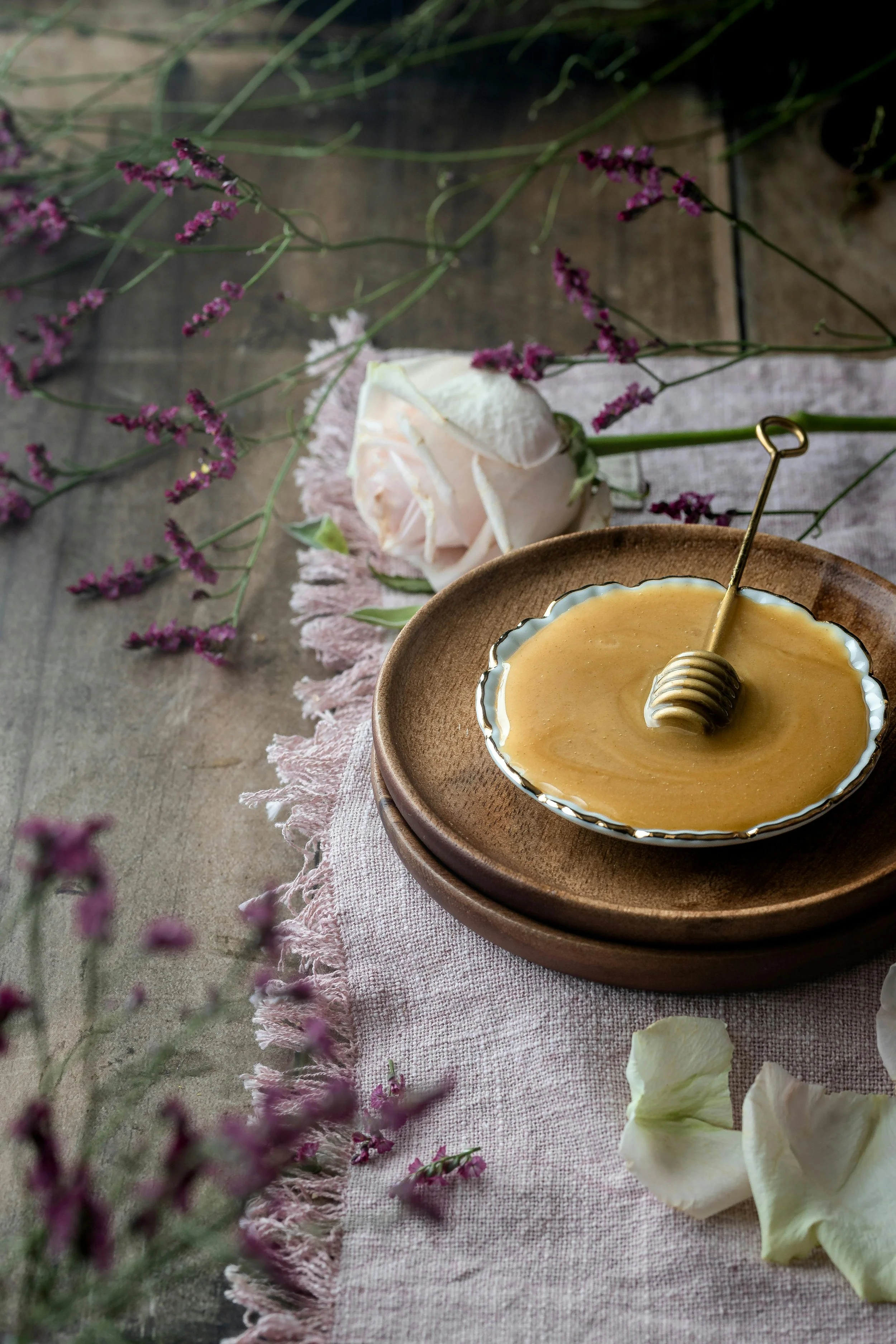
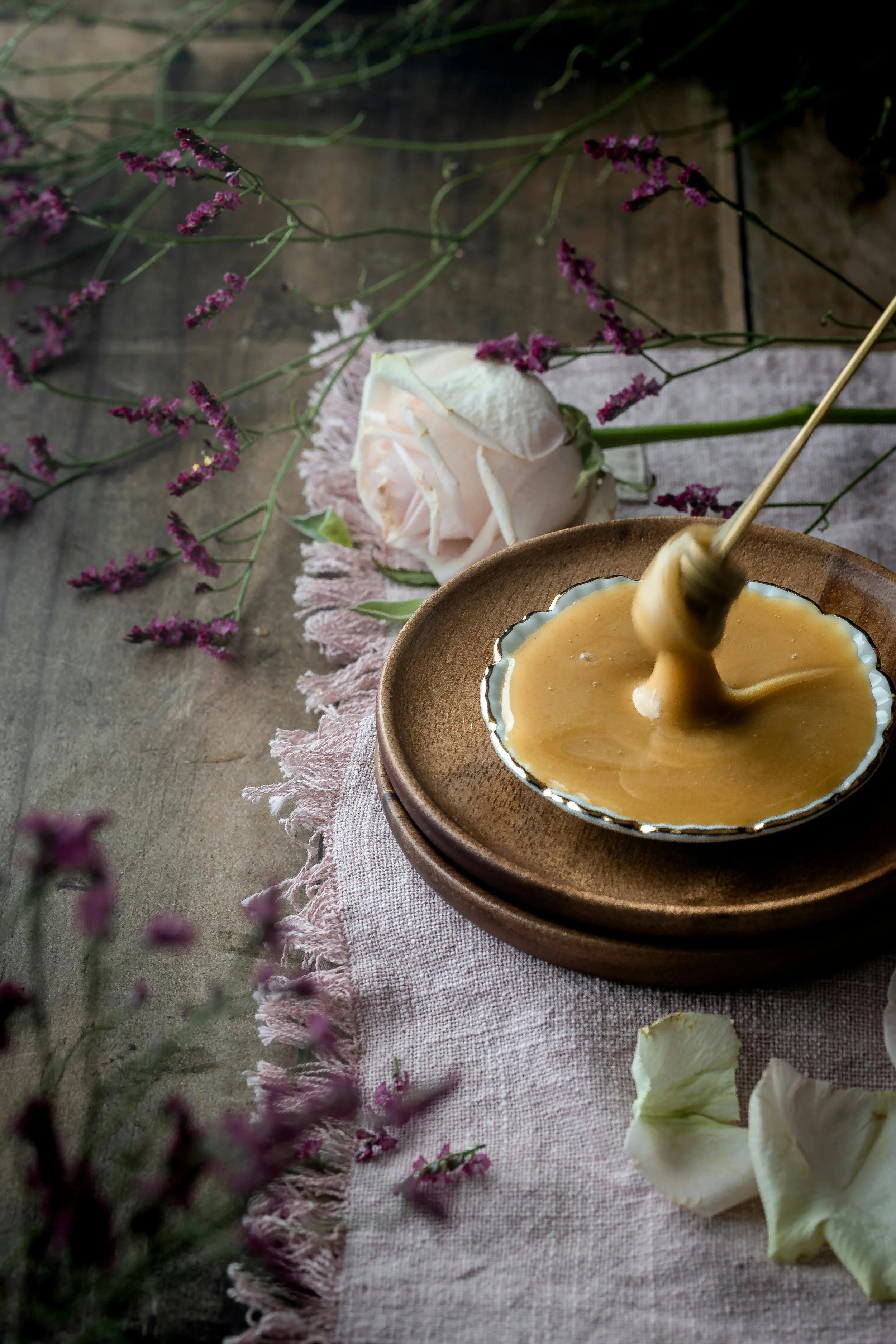
Honey fits seamlessly into this symbolic landscape.
Long before refined sugar became common, honey was one of humanity’s primary sweeteners. It was gathered, stored, and treasured across ancient cultures for its medicinal properties, long shelf life, and concentrated energy. In Celtic lands, honey was associated with vitality, healing, and blessing. It appeared in ritual offerings, medicinal preparations, and celebratory drinks such as mead. Because it could be preserved through winter without spoiling, honey became a tangible reminder that sweetness and nourishment could survive even in harsh conditions.