

Imbolc and the Sacredness of Bread
Photography by Marta Dzedyshko Written by Bruja Magazine
Bread is one of the oldest sacred foods in human history.
Long before modern kitchens, bread represented survival itself. Grain, water, fire, and time. Simple elements transformed into sustenance through human care and patience. At Imbolc, bread carries even deeper meaning, because this festival is not about harvest. It is about endurance. It is about what carried people through winter and what continues to nourish them as the earth slowly awakens.
Imbolc marks the midpoint between the Winter Solstice and the Spring Equinox. It is a threshold season. The land still appears dormant, yet life is already stirring beneath the soil. In this in between space, bread symbolizes continuity. It reminds us that life persisted even in the harshest months.
Historically, grain stores were precious by early February. Families depended on what had been harvested and preserved the previous year. Baking bread at this time honored both the labor of past seasons and the hope of future growth. Each loaf carried memory, patience, and trust in cycles.
Bread is also deeply tied to hearth and home.
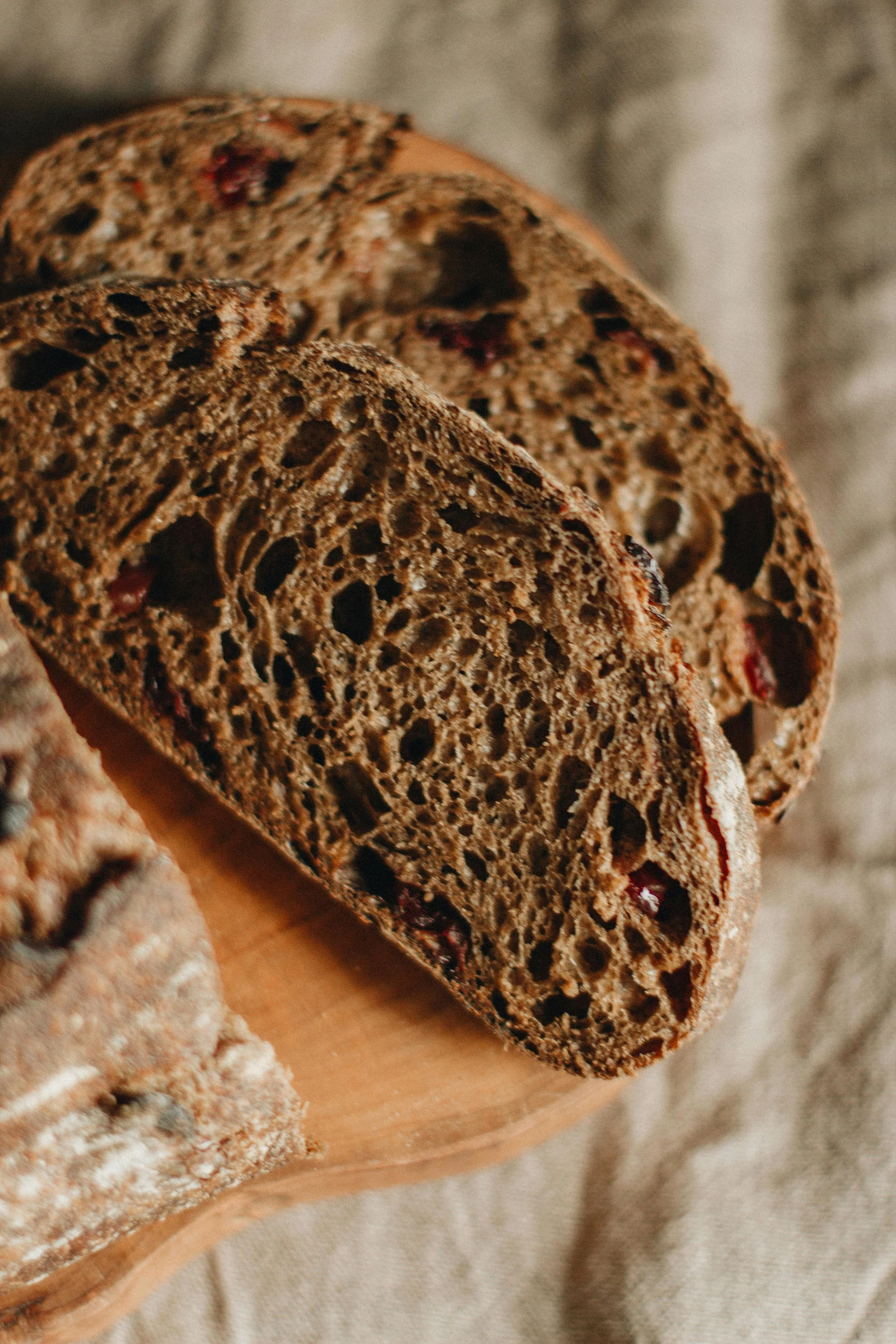
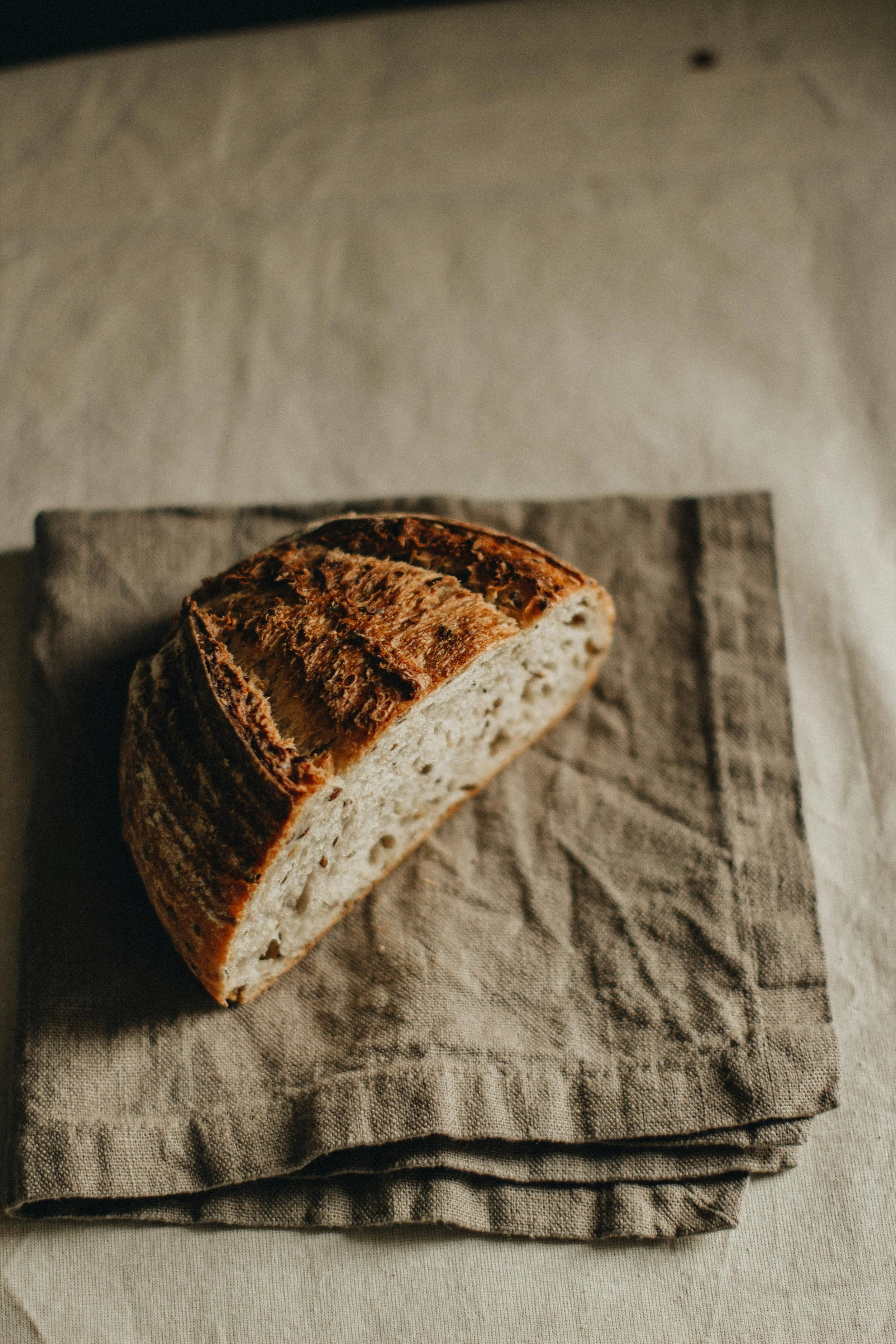
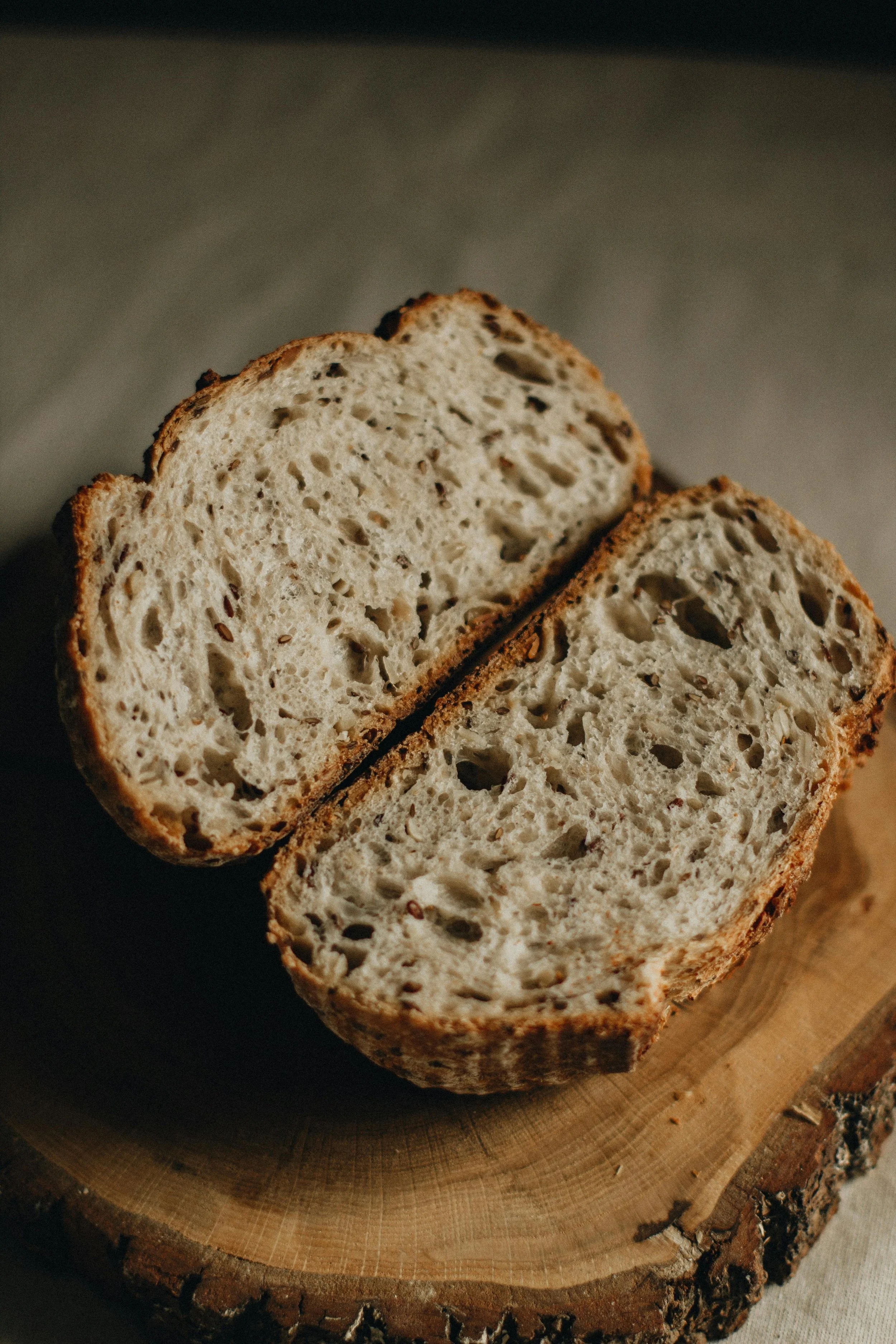
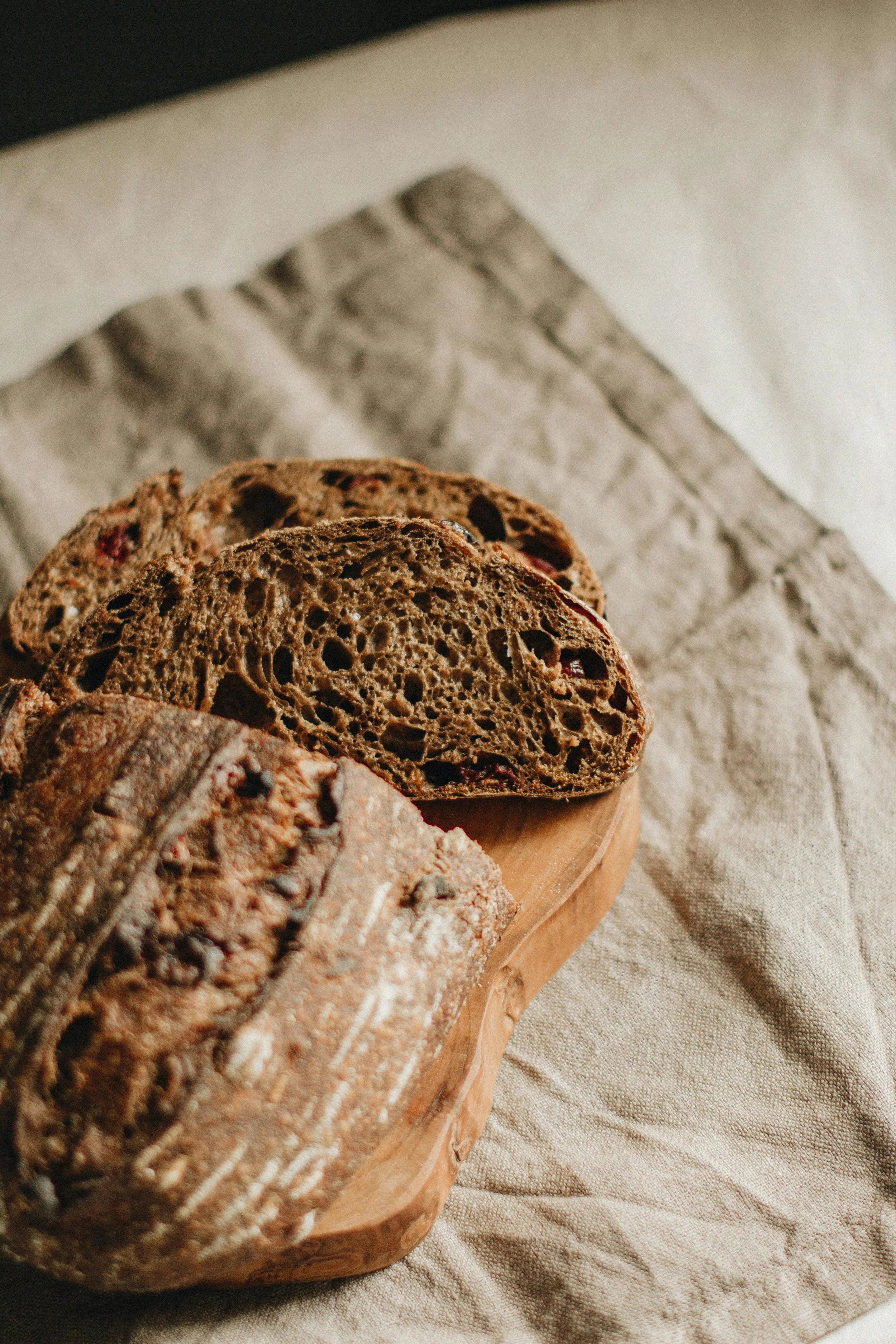
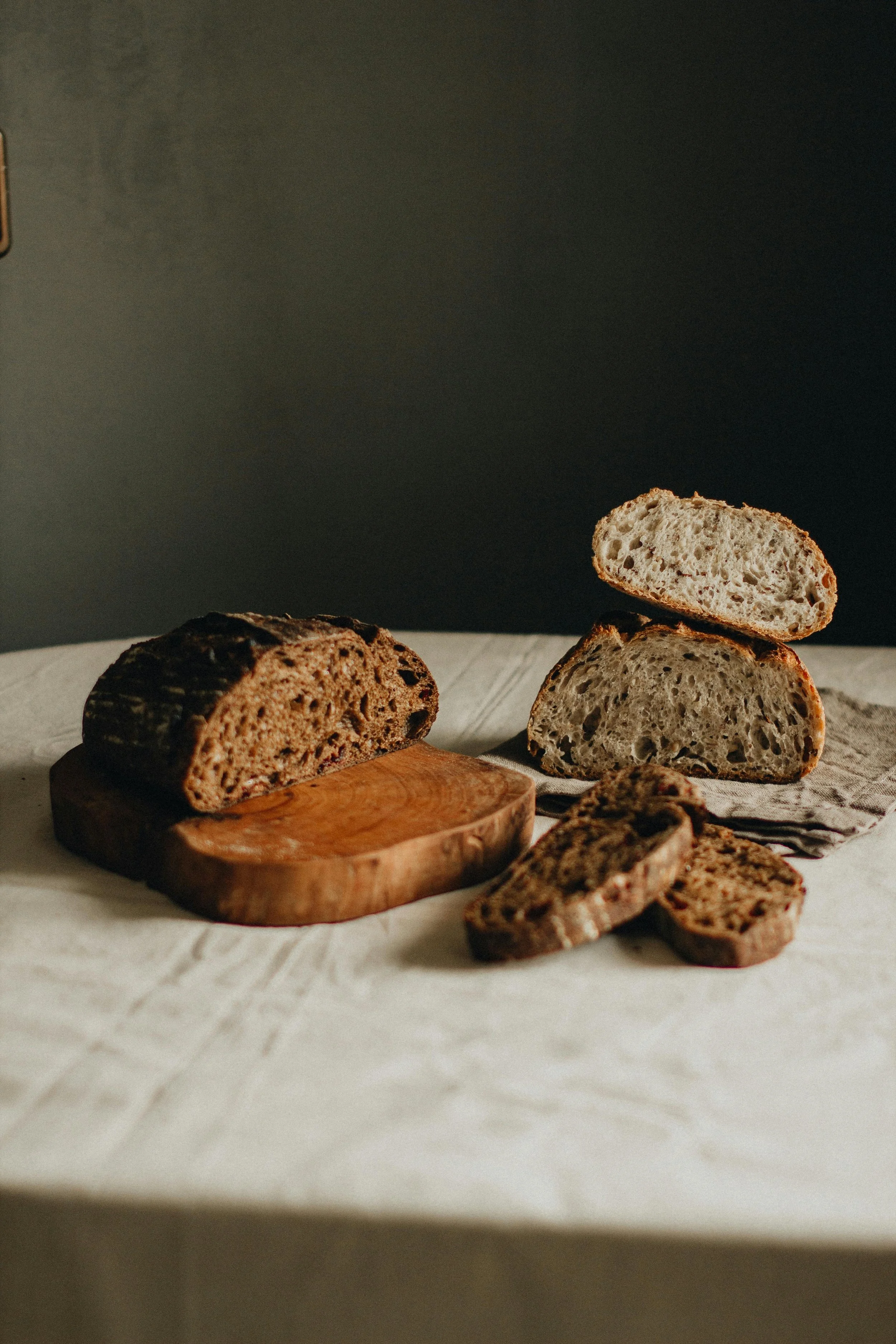
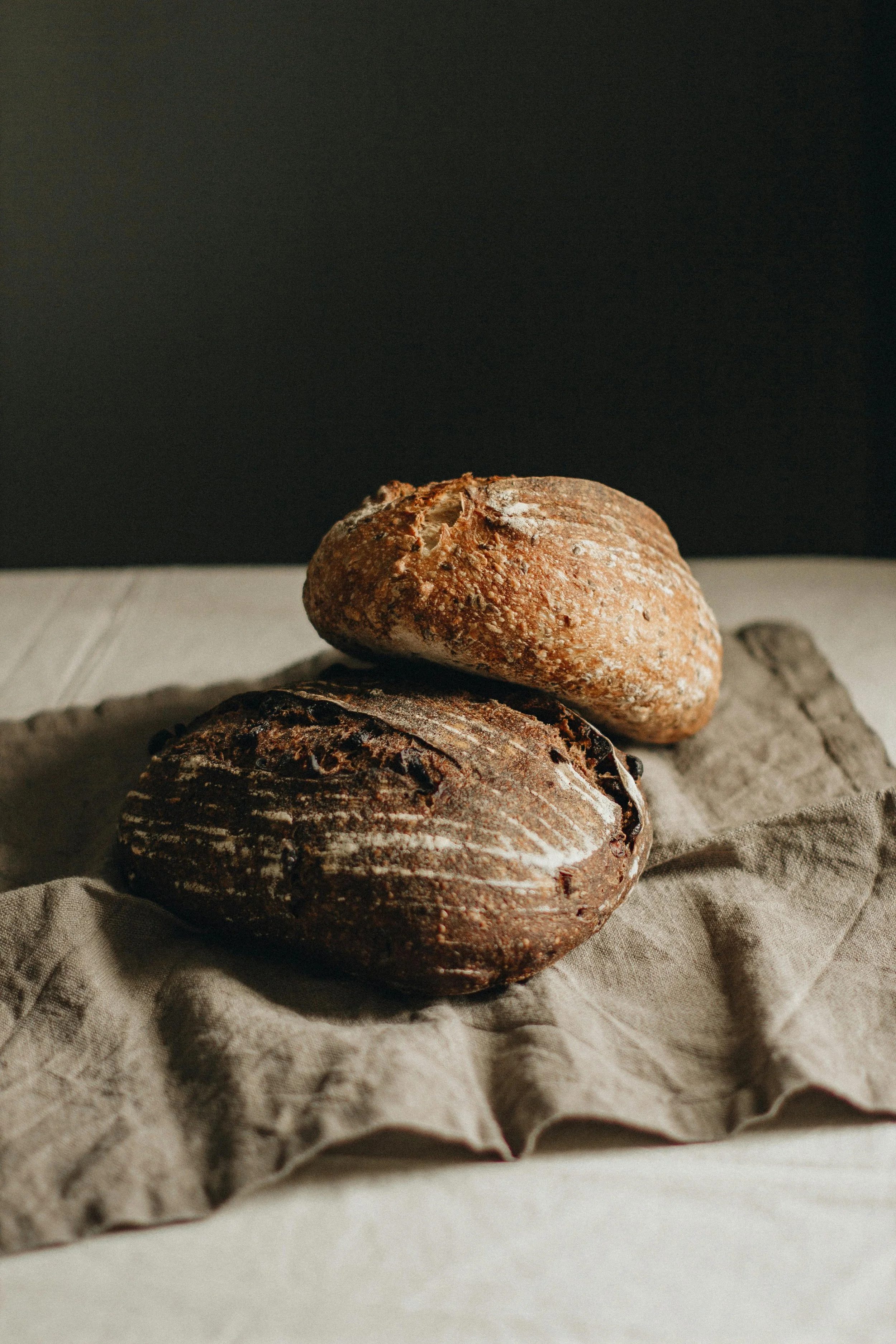
The hearth was the spiritual center of ancient households. It was where warmth was maintained, food was prepared, and family gathered. Baking at Imbolc honored this center. It was an act of devotion to survival, stability, and protection.
In Kitchen Alchemy, bread can be understood as grounded magic.
It is earth through grain.
It is water through dough.
It is air through fermentation.
It is fire through baking.
All four elements become one nourishment.
At Imbolc, this elemental harmony mirrors the balance of the season itself. Winter still holds the land, but spring begins whispering. Bread sits in that same space. It is not lush or extravagant. It is simple. Steady. Reliable.
Seeded and whole grain breads hold additional symbolism. Seeds represent potential and future planting. They are small, dormant, and filled with possibility. Eating seeded bread at Imbolc becomes a quiet acknowledgment that new cycles are forming, even if they are not yet visible.
Darker, rustic loaves reflect the season’s earthiness. They speak to depth, density, and nourishment that sustains rather than excites. This aligns with Imbolc’s energy. The season does not dazzle. It reassures.
Bread at Imbolc is not about indulgence.
It is about honoring what endures.
It is about thanking the hands that harvested grain months ago.
It is about trusting that what was saved continues to sustain.
It is about acknowledging that survival itself is sacred.
In practice, bread can be served simply at Imbolc.
Sliced warm.
Spread with butter.
Drizzled with honey.
Paired with soup or milk.
Each variation still speaks the same language.
You made it through.
Something new is coming.
In Kitchen Alchemy, preparing or serving bread at Imbolc becomes a quiet ritual of gratitude. A moment to recognize resilience, both personal and ancestral.
Bread does not promise abundance.
It promises continuity.
And at Imbolc, that is everything.
